From the vibrant Thai pavilion at the Marché du Film to the hauntingly imaginative debut of A Useful Ghost in Critics’ Week, Thailand’s presence at the 78th Cannes Film Festival can best be understood as a strategic declaration: the Kingdom is here, not just to participate in global cinema, but to help shape it.
Backed by a multi-ministerial push and spearheaded by the Thailand Creative Culture Agency (THACCA), the Ministry of Culture, and the Ministry of Tourism and Sports, Thailand’s participation this year has emerged as one of the most cohesive and impactful showcases of national soft power in recent festival memory.
A Useful Ghost and the rise of new Thai voices
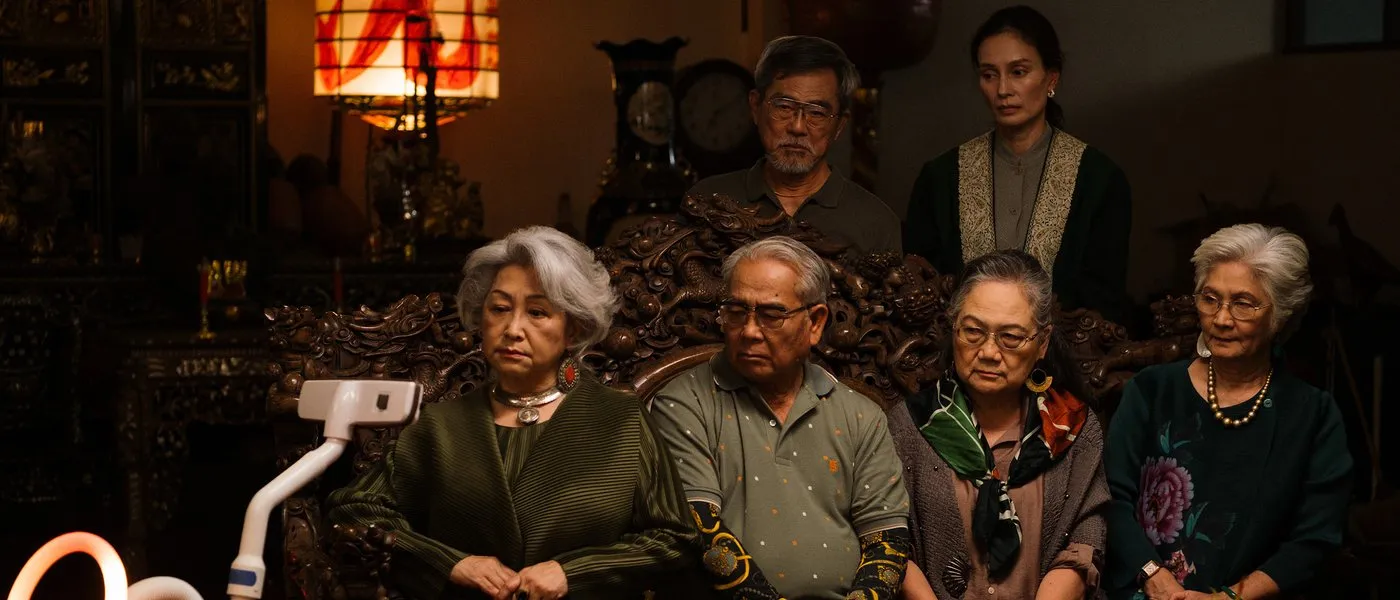
Thailand’s creative resurgence at Cannes is perhaps best embodied by its new generation of filmmakers — bold, original, and internationally attuned. Leading this wave is A Useful Ghost by Ratchapoom Boonbunchachoke, which won the Grand Prize AMI Paris at the Critics’ Week section. It is the first Thai film to be selected and win in the section in over a decade, following Apichatpong Weerasethakul’s Cemetery of Splendour.
The film, a surreal love tale about a man whose dead wife returns as a vacuum cleaner, balances absurdist humor with biting social commentary, especially on issues such as air pollution, industrial exploitation, and the meaning of modern love.
Backed by a cross-continental production team and supported by international funds such as the Hubert Bals Fund, France’s Aide aux Cinémas du Monde, and Thailand’s own THACCA grant, the film is emblematic of how Thai cinema is becoming a serious player in the global arthouse circuit. Producers Cattleya Paosrijaroen and Soros Sukhum — already known for films like Memoria and Ten Years Thailand — demonstrate the increasing depth and international credibility of Thailand’s independent scene.
This spotlight is by no means an isolated one, as it reflects a broader groundswell of emerging talent now taking root in Thailand’s film scene. Alongside A Useful Ghost, other Thai filmmakers at Cannes presented early-stage projects supported by THACCA, such as Taiki Sakpisit’s The Blind Earthworm in the Labyrinth, Patiparn Boontarig’s Ghost of the Currents, and Nontawat Numbenchapol’s Ray of Light, all follow-ups to critically acclaimed debuts. These projects, showcased during a special pitching event at the Thai Pavilion, underscored Thailand’s commitment to nurturing new talent and storytelling voices.

Of course, Thailand’s film heritage extends beyond the newcomers. Apichatpong Weerasethakul, one of the country’s most internationally recognized directors, continues to cast a long shadow, having won Cannes’ Palme d’Or in 2010 and the Jury Prize in 2021. His legacy is not just one of awards, but of opening international pathways for experimental and personal Thai cinema.
Thailand’s success in nurturing film auteurs is further bolstered by a growing ecosystem of film schools, short film festivals, and creative labs across the country. Established institutions like Bangkok University and Silpakorn University, meanwhile, continue turning out new, technically skilled, and artistically daring filmmakers.
Taken together, these developments represent a quiet revolution in Thailand’s creative ecosystem — one where new voices are not just finding platforms, but reshaping expectations of what Thai cinema can be.
Homegrown content finds global audiences
If the Critics’ Week lineup celebrated Thailand’s indie edge, the Cannes Film Market spotlighted its commercial confidence and cross-border viability. Thailand’s commercial and genre storytellers are also stepping into the global spotlight — not by abandoning their local roots, but by scaling them up.
Cannes 2025 marked the debut of TSixtySix, a domestic content studio by Indochina Productions. TSixtySix is committed to producing Thai-language content with global ambition, beginning with The Great Esarn Heist and Songkhram Songkran, two highly anticipated features directed by promising new talents Cantana Tiprachart and Pisinee Khaosamai.
Cod Satrusayang, one of the studio’s co-founders, articulated the team’s mission clearly, saying, “I think we’re so invested and excited by the growth of Thai cinema that this was a natural next step for Indochina Productions. TSixtySix wants to be a part of the evolution of the Thai cinema space, and we’re excited for our first two projects, both helmed by young Thai filmmakers. We think given the right framework and support, Thai films can compete on a global stage — and we’re prepared to give that backing.”
With Indochina’s track record — producing everything from The Creator to The White Lotus — TSixtySix is well-positioned to serve as a bridge between international quality and local authenticity.
Also generating buzz was Delivery Man, a horror-thriller from Night Edge Pictures, about a food delivery worker whose obsession with a customer spirals into violence. Starring breakout talents like Bhumibhat Thavornsiri and Plearnpichaya Komalarajun, and backed by Malaysia’s Astro Shaw and Benetone Films, the film reflects how Thai horror continues to push genre boundaries while attracting international investment.
The international viability of Thai content has only been reinforced by concrete numbers, with more than THB227 million (over US$6.7 million) in licensing deals signed in just three days during the Cannes Film Market, amid strong interest from buyers in Europe, Asia, and the Americas. Horror, romance, and action-drama titles led the demand, with streaming platforms especially keen to acquire fresh Southeast Asian voices.
Additionally, Thailand boasts diverse genre portfolios, from big-budget rom-coms to hard-hitting social dramas. With companies now operating their own streaming platforms or licensing directly to global platforms like Netflix, the entire value chain of Thai storytelling has been maturing rapidly.
In parallel with its growing arthouse acclaim, Thailand’s content industry is positioning itself as a scalable, export-ready creative force — blending local storytelling with international production values, and increasingly, international demand.
Laying the foundations with incentives and infrastructure
In addition to its film scene credentials, Thailand is quickly becoming an enticing destination for international filmmaking. The Department of Tourism recently enhanced its already-attractive film incentive scheme, offering international productions up to 30% rebates with no cap. The rebate can also be boosted through additional points for promoting Thai tourism, hiring Thai professionals in key roles, filming in lesser-known provinces, and completing post-production in Thailand.
In 2024 alone, 491 foreign productions generated over 6.5 billion baht in revenue. With the target set at 10 billion baht for 2025, amid rising interest from studios in China, Europe, and North America, Thailand’s audiovisual services are evolving into a substantial economic pillar. The government has also made it easier for productions to access visas, permits, and post-production services through a streamlined one-stop-shop system.
The Kingdom’s attractiveness for foreign studios also goes far beyond monetary incentives. Its picturesque backdrops — from the bustling streets of Bangkok to the serene beaches of Krabi — are uniquely iconic, with high-caliber professional crews and modern post-production infrastructure in place to help facilitate projects.
Established industry heavyweights, meanwhile, include such powerhouses as GDH 559, Sahamongkolfilm International, Kantana Motion Pictures, M Pictures, and Night Edge Pictures, to name a few, with renowned companies like White Light and The Monk Studios offering world-class services in animation, VFX, and sound design. These factors, together with tax exemptions for foreign casts and crews applicable through 2027, make Thailand among the most ideal options for filmmakers.
The Thailand Film Office has also emphasized the importance of working with experienced local coordinators to ensure smooth production timelines. These local fixers are often bilingual, deeply familiar with Thai bureaucratic processes, and well connected to suppliers and crew, making Thailand not just beautiful, but highly efficient for complex productions.
Set-jetting tourism is also on the rise, with locations featured in Jurassic World Rebirth and The White Lotus Season 3 having already seen a spike in visitor interest, proving the multiplier effect of screen exposure. As such, the government is now actively encouraging productions that highlight lesser-known provinces and cultural experiences, tying the cinematic boom to broader economic development goals.
THACCA, Thai Night, and the bigger picture
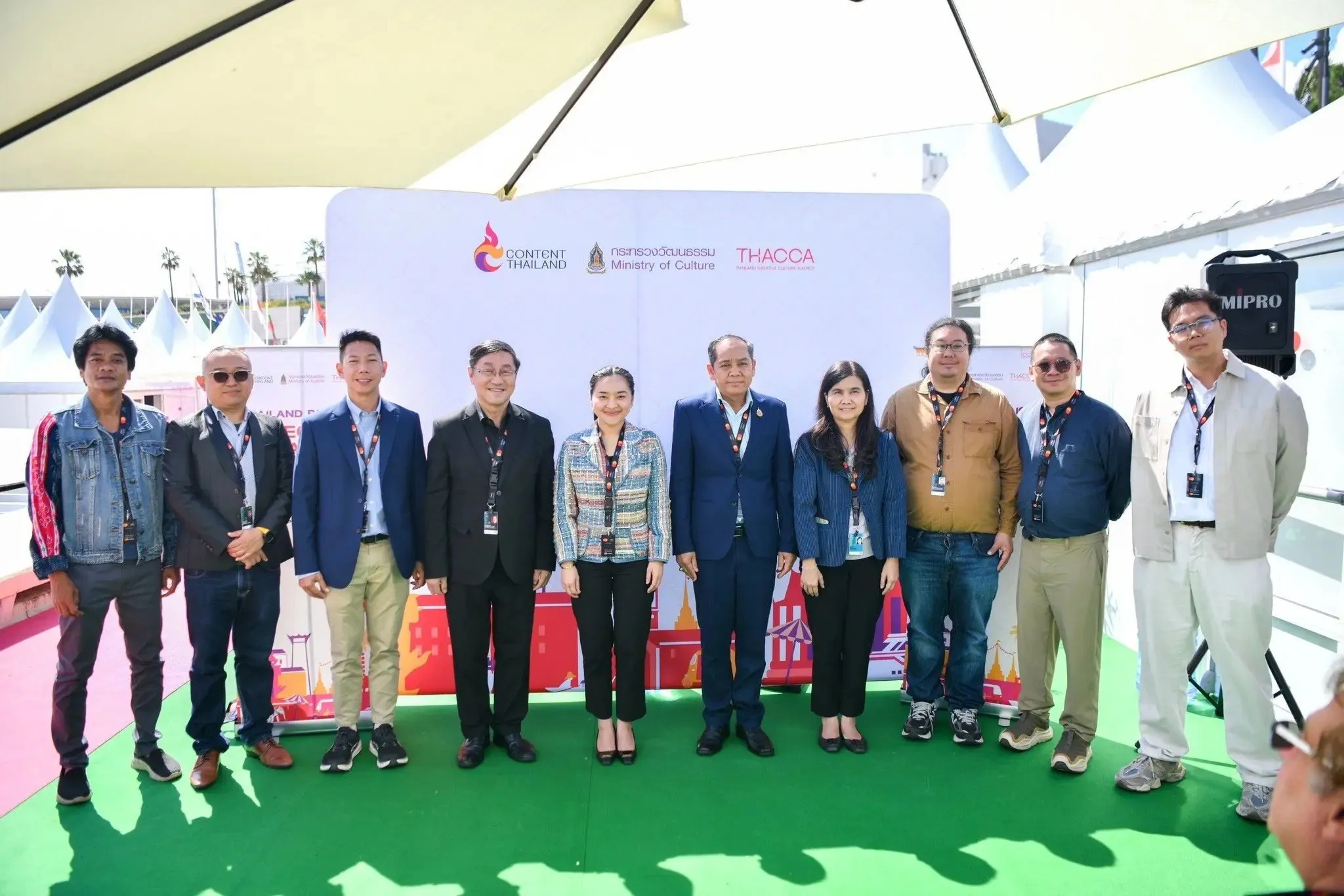
At the heart of Thailand’s creative surge is THACCA, a key element in the Thai government’s soft power agenda. The agency was formed in 2024 to unify and fund 14 distinct creative sectors, ranging from film and music to fashion, games, and wellness. With more than 200 million baht already disbursed and an ambitious THACCA Act expected to pass by 2027, the agency is already reshaping the cultural economy.
“This is more than just crafting policy — it’s about strategically positioning Thailand as a significant and influential player within the global creative industries,” said Surapong Suebwonglee, Chairman of the National Soft Power Development Committee of Thailand, during a keynote at Cannes. The agency brought six funded projects to Cannes for business matching and provided Producers Network access to five Thai producers.
Another shining example of soft power was Thai Night, an event presided over by Princess Ubolratana Rajakanya Sirivadhana Barnavadi that brought together key players from 12 top Thai studios and dozens of international buyers. With Thai Select-certified cuisine and live performances accompanying film reels, Thai Night encapsulated Thailand’s signature blend of creativity, hospitality, and cultural depth.
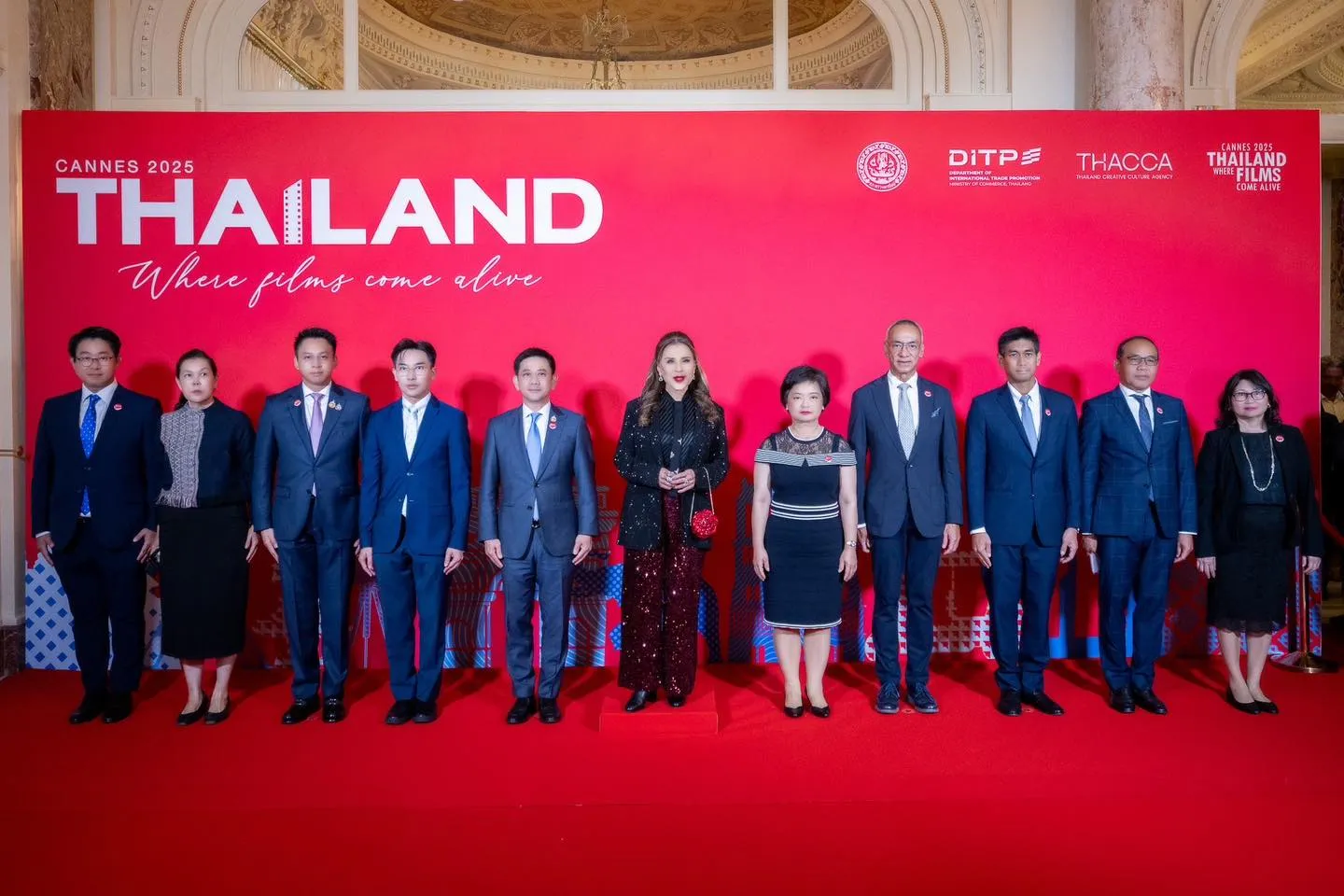
Meanwhile, the Ministry of Commerce’s “Content Thailand” campaign added another layer of visibility, hosting a high-traffic pavilion at Village International. As the Cannes Marché du Film continues to evolve into one of the world’s premier content markets, Thailand’s presence was both timely and transformative.
Culture Minister Sudawan Wangsuphakijkosol, who led the Thai delegation in Cannes alongside THACCA and other agencies, presided over the Director Talk event under the theme “The Future of Thai Stories on Screen”. She noted that the event aimed to exchange insights and visions among leading Thai filmmakers regarding the direction of Thai content in the global market over the next 2-3 years.
The road to the Bangkok International Film Festival
Looking forward, all eyes are on the relaunch of the Bangkok International Film Festival in January 2026. The last major edition ended in 2006, but the new version — organized as a nonprofit under THACCA’s guidance — promises to deliver something radically different.
The festival will include dedicated sections for Thai and international films, as well as a dynamic industry market, year-round workshops, and a co-production forum aimed at Southeast Asia. Helmed by veteran curator Donsaron Kovitvanitcha and industry veteran Pantham Thongsang, the festival aims to create a space for dialogue and discovery.
“The international audience can come to see what’s going on in Thai cinema across the whole range of both artistic and mainstream movies,” said Donsaron.
As the curtains draw on Cannes 2025, one thing is clear: Thai film talents, creatives, and policymakers are not simply making an appearance; they’re taking the long view in carving out an enduring role on the global cinematic stage. With bold visions, original voices, robust infrastructure, and strategic diplomacy, the Land of Smiles may be scripting its most ambitious story yet.