

Beyond delivering beaches and temples, Thailand now leads the world in one of travel’s top wildlife thrills, actually. According to JR Pass data, Monkey Beach on Ko Phi Phi Don ranks as the most searched animal experience globally, racking up 68,000 searches and over 182,000 Instagram hashtags, all thanks to its resident long-tailed macaques.
The global dominance of Monkey Beach in one chart
From hardy flamingos in Tanzania to bowing deer in Japan, Monkey Beach sits at the top spot among wildlife tourism hotspots. So what’s the appeal? It’s uncensored nature with sand, sea, and curious macaques that approach tourists with an oddly choreographed charm.
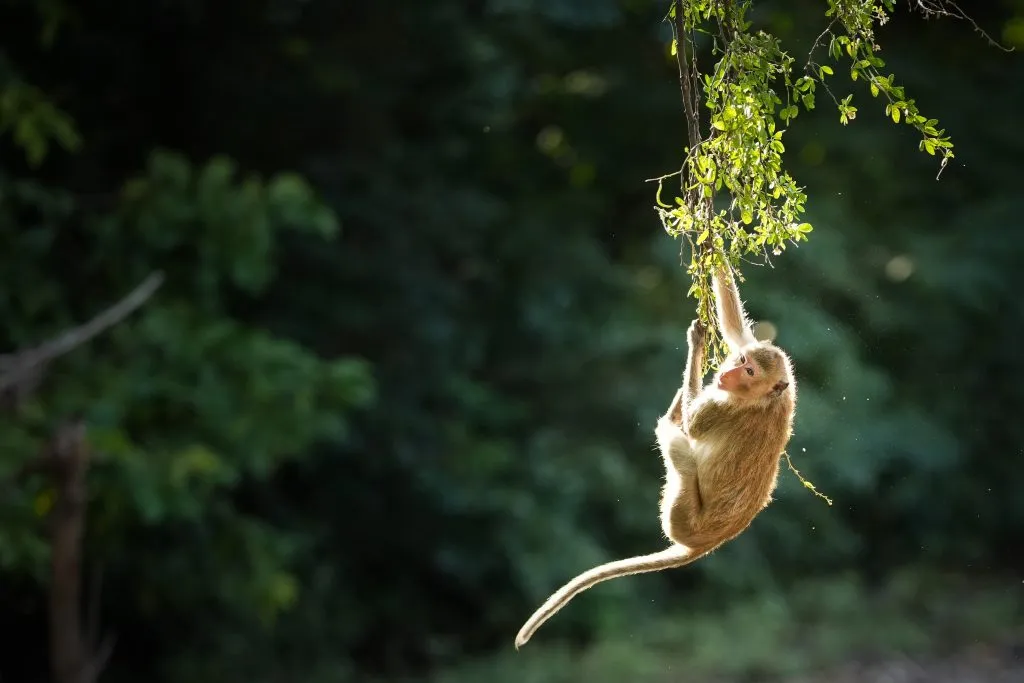
And why can’t visitors get enough of Thailand’s macaques? Well, Monkey Beach’s monkeys are not shy (which is frankly an understatement). They climb onto legs, swipe bananas, and own the shoreline — often starring in photos or TikTok clips. They’re cheeky, unpredictable, and very Instagrammable. A full-day boat tour from Krabi or Phuket routinely includes this stop, offering photo ops and snorkeling in clear turquoise water.

Phi Phi Don itself is part of Hat Noppharat Thara–Mu Ko Phi Phi National Park, which drew over a million visitors in an eight-month stretch in 2015‑16 — a sign of how much demand this island generates.
But the popularity comes with a cost. In Lopburi province, which hosts the Lopburi Monkey Festival, the macaque population has spiraled, reaching over 3,000. Fear of aggression has pushed the government to capture around 2,500 monkeys and place them in enclosures outside town.
Meanwhile, it’s now illegal to feed monkeys on Phi Phi Islands. The national park recently issued fines for tourists caught doing so. It’s a serious effort to curb aggressive habits and protect both people and primates.
Nature tourism meets conservation tension
The rise of macaque encounters fits with a larger biophilia travel trend and our innate desire to reconnect with wildlife and landscapes. Wildlife tourism is growing globally at a rate of 5.2% annually. Yet this makes balancing access and ecological impact more important than ever.
Here’s how travelers should experience it responsibly:
- Book organized boat tours to Monkey Beach, not just spontaneous landings.
- Keep your distance, don’t carry food, and follow park rules. Tourist interference encourages aggressive behavior.
- Visit early morning or late afternoon to avoid crowd pressure and give the monkeys space.
Thailand’s macaques are now a tourism magnet. But as government regulations tighten and sterilization campaigns continue in Lopburi, the spotlight is shifting toward more sustainable engagement. That means clean beaches, controlled visitor numbers, and primate populations managed with science, not snacks.

 Paul Rujopakarn