

After nearly two years closed for renovation, the National Theatre Thailand is reopening this month.
It first opened in 1961 and has long been one of the main venues for traditional performing arts in Thailand, including khon masked dance, classical music, and theater. It closed in 2022 for a major overhaul, and now it’s coming back with updated facilities and a slightly different approach to how performances are presented.
What’s changed at National Theatre Thailand
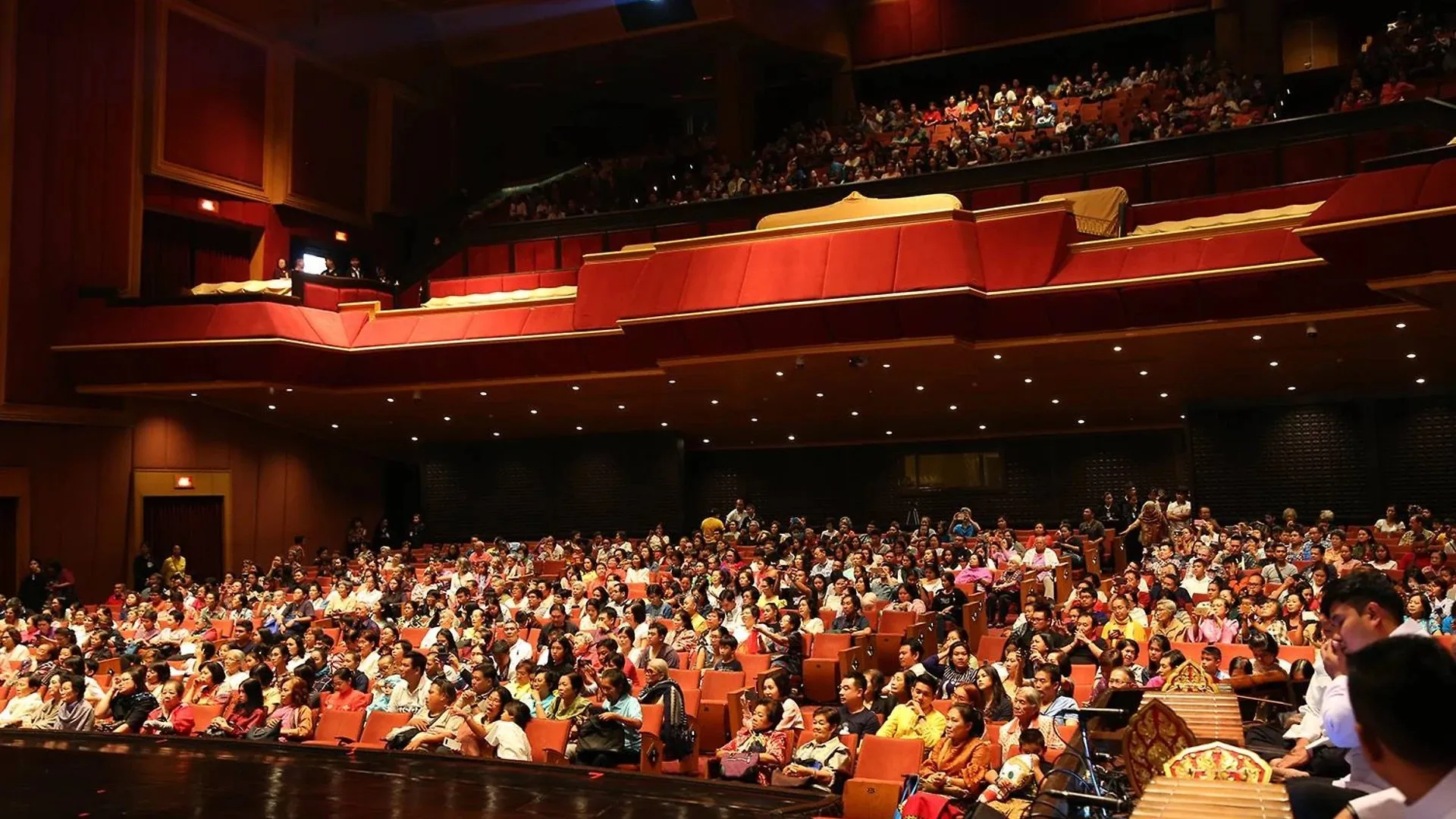
The updates are mostly technical, but they do change how the experience feels. Lighting systems have been upgraded, acoustics improved, and the staging is more refined overall. There’s also a 4D scent system, which introduces fragrance during certain moments in a performance.
It’s a small detail, but it gives a sense of where things are heading. The performances themselves stay traditional, but the way they’re delivered is more immersive and easier to engage with.
To mark the reopening, the theater is hosting a series of free performances throughout May. The lineup includes khon, Thai classical music, hybrid theater, and even a Western orchestra program, mixing different formats in the same space.
Making theater matter
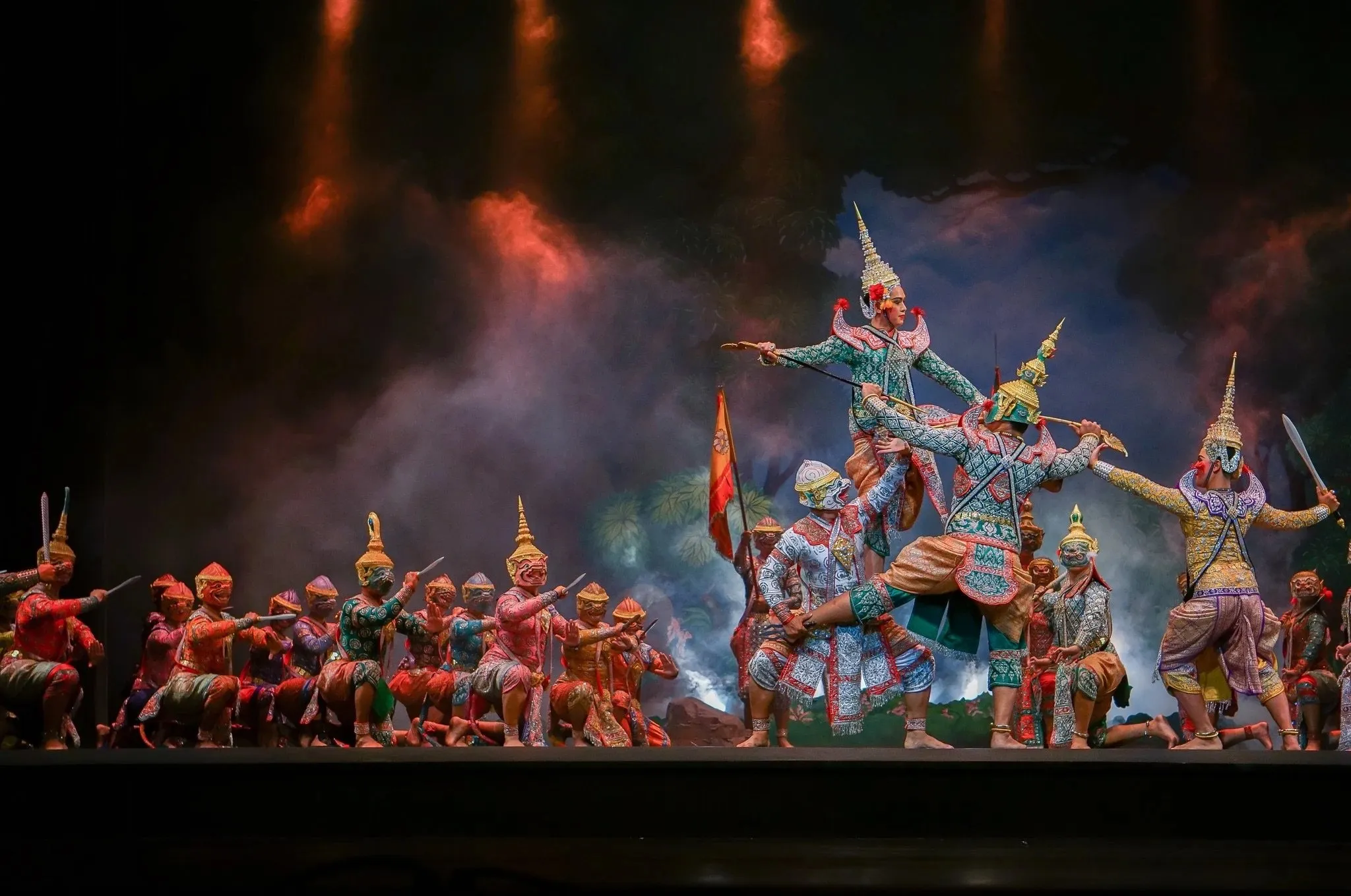
It’s not just about reopening the building, though. There’s a wider effort to make traditional performing arts more accessible, especially to people who don’t usually engage with them.
Khon, for example, was inscribed by UNESCO in 2018 as an Intangible Cultural Heritage. That recognition highlights its importance, but it also comes with the expectation that it continues to be practiced and seen.
That’s where institutions like the Bunditpatanasilpa Institute come in. As a leading performing arts institute, it plays a central role in training performers, maintaining classical forms, and supporting the transmission of these traditions to new generations.
Alongside that, there’s a noticeable push to make these performances more approachable. Free performances are part of that effort, and some of these programs and hybrid productions bring different styles together, which makes them easier to get into if you’re not already familiar with traditional forms. The idea is to reduce the distance between traditional arts and everyday audiences.
At the same time, the core elements stay intact. Khon is still performed in its original form. Classical music is still presented traditionally. The shift is more about access than reinvention.
The bigger stage
The reopening is about updating how cultural heritage is presented and experienced.
The foundation is still the same, but the way people experience it is changing. Traditional performing arts are still being preserved, but they’re also being presented in ways that fit more naturally into how audiences engage with culture today.

 Paul Rujopakarn