Thailand’s revised visa rules have now been in effect for about a week, replacing a broad 60-day visa-exemption regime with a more nuanced system that affords different entry privileges according to nationality and purpose of travel.
The changes took effect on September 15th following the publication of four announcements by the Ministry of Interior in the Royal Gazette on August 31st. The government says the overhaul is intended to balance tourism and economic interests with national security, reciprocity, and the prevention of misuse of visa privileges.
Ploytalay Laksameesangchan, Deputy Spokesperson for the Prime Minister’s Office, said the key change is the abolition of the visa exemption allowing citizens of 93 countries and territories to stay in Thailand for up to 60 days for tourism, work, or short-term business.
Key Takeaways
- Thailand’s revised visa rules took effect on September 15, ending the 60-day visa exemption that had applied to citizens of 93 countries and territories.
- Deputy Spokesperson Ploytalay Laksameesangchan framed the overhaul as balancing tourism and economic interests with national security, reciprocity, and prevention of visa misuse.
- The new framework grants 60 countries 30-day visa-free tourism entry, gives Seychelles and Mauritius 15 days, and offers Visa on Arrival to Azerbaijan, Belarus, and Serbia.
- The Ministry of Foreign Affairs advises travelers entering for business, employment, or education to use the appropriate visa category, such as the e-Visa system.
- Travelers should verify their nationality, purpose of travel, and any bilateral agreements before departure, while those already in Thailand may stay until their stamp’s permitted date.
Visa-free travel gets a major overhaul

Source: Tourism Authority of Thailand / Website
Introduced in July 2024, the 2024 measure covered tourism as well as certain short-term business and urgent work activities.
Since then, however, it has raised concerns about whether the same privileges could be exploited for purposes beyond those intended, leading to calls for replacing the blanket exemption with more targeted arrangements.
“Granting visa-free access across the board to all countries had drawbacks,” said Prof. Witawat Rungruangphon, a marketing professor at Thammasat University. He argued that the broad exemption could encourage visitors seeking inexpensive destinations without necessarily translating into substantial spending in Thailand.
Under the new framework, 60 countries and territories receive visa-free entry for tourism stays of up to 30 days. The list includes major tourism markets such as Australia, Canada, India, Japan, the United Kingdom, and the United States, along with much of Europe and several Southeast Asian and Gulf countries.
Seychelles and Mauritius receive a separate 15-day tourism exemption, while nationals from Azerbaijan, Belarus, and Serbia can apply for Visa on Arrival (VOA) at designated checkpoints.
The purpose of travel
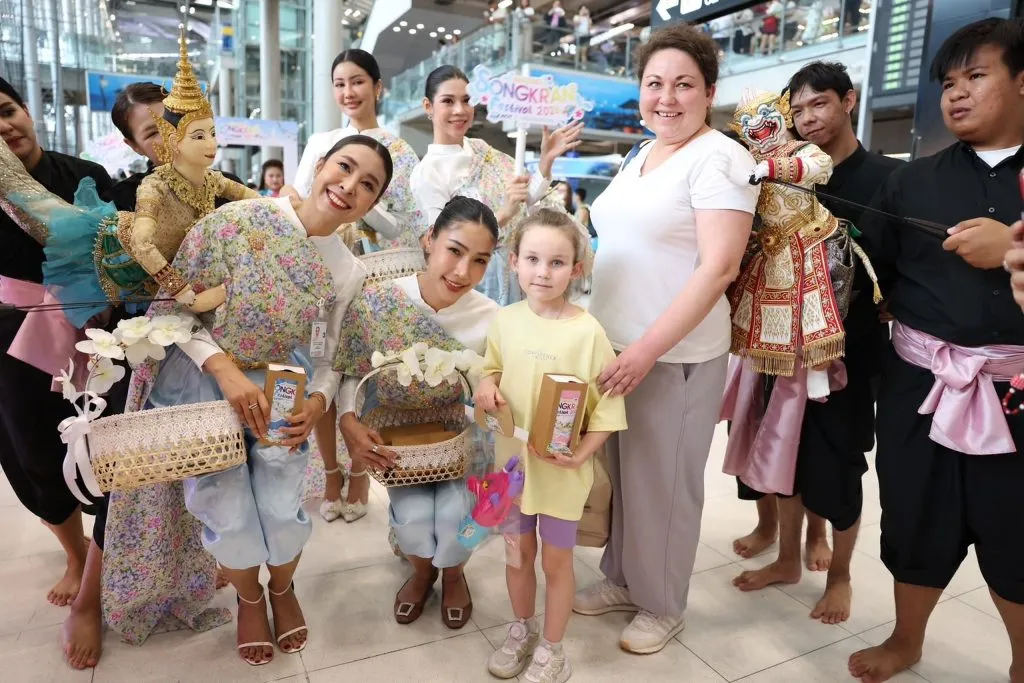
International tourists receive a traditional Thai welcome at Suvarnabhumi Airport as Thailand promotes a visitor-friendly tourism experience.
Source: Topnews
One important distinction is that the new 30-day and 15-day exemptions explicitly apply to tourism.
That means travelers entering for purposes such as business meetings, employment, or education should not assume that visa-free tourism status covers their activities. The Ministry of Foreign Affairs (MFA) specifies that those travelers should use the visa category appropriate for their purpose, including the e-Visa system where applicable.
The new policy also adopts a “one country, one entitlement” principle, reducing overlapping privileges that officials said could create confusion.
Nationals whose countries are absent from the 30-day, 15-day, and VOA categories may still qualify under bilateral visa-exemption agreements with Thailand, which can provide different periods of stay and conditions.
Travelers therefore need to check their nationality, purpose of travel, and applicable agreement before departure, rather than just assuming the end of the 60-day scheme means a visa is required.
Foreigners already in Thailand, or those who entered before September 15th, can remain until the last date of their permitted stay, as indicated on their immigration stamp, according to the MFA.