

Khao Phansa Day this year falls on Thursday, July 30th, 2026, marking the beginning of the Buddhist Rains Retreat. The Buddhist Rains Retreat is a three-month period for Buddhist monks to seclude themselves in temples and for Buddhists in Thailand and around the world to rededicate themselves to their religious precepts.
As with many religious holidays in Thailand, the Buddhist Rains Retreat is commemorated in accordance with the traditional lunar calendar. This year, the Buddhist Rains Retreat will last from July 30th to October 26th, 2026.
Many names, one meaning
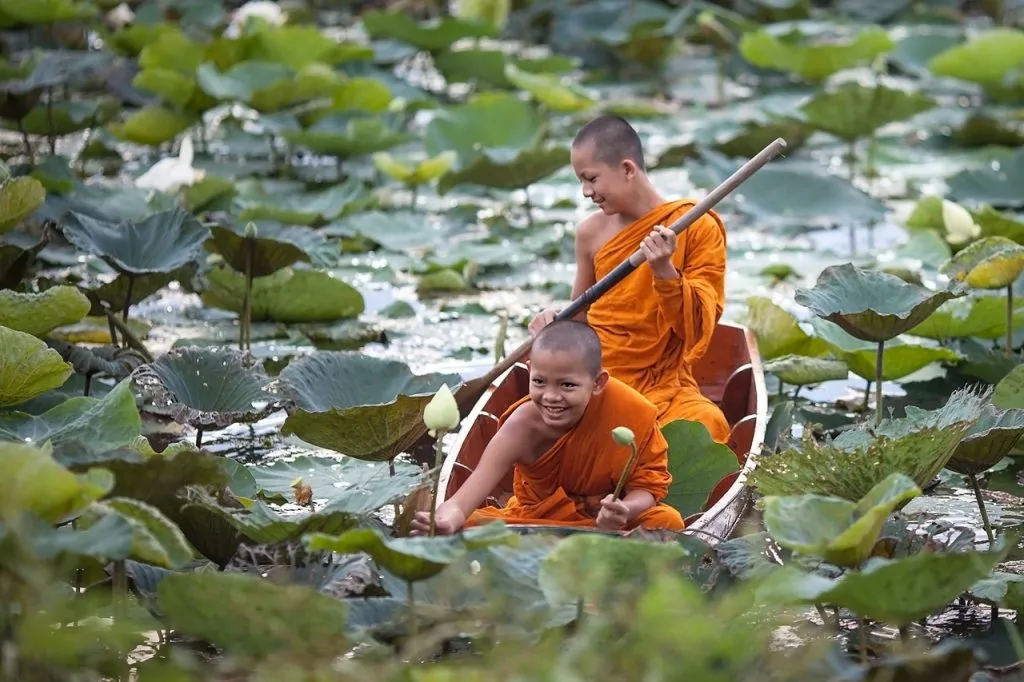
Khao Phansa goes by many names. Celebrated worldwide as Vassa, it is also known internationally as Buddhist Lent or the Buddhist Rains Retreat. This period provides Buddhist monks time for solitude. This period of spiritual dedication can be seen reflected in other religions as well, such as Islam, Christianity, and Hinduism.
Historically, the period of the Buddhist Rains Retreat was a common practice in India during the time of the Lord Buddha, Siddhartha Gautama (6th century BCE). Following his enlightenment, Buddha is believed to have spent the rainy season sheltered in the region of Varanasi, laying the foundations for the Rains Retreat.
This practice of secluding oneself can also be seen as a practical order for monks to be conscientious of their fellow farmers and avoid trampling their crops during the sensitive cultivation cycle.
Buddhist Rains Retreat in Thailand
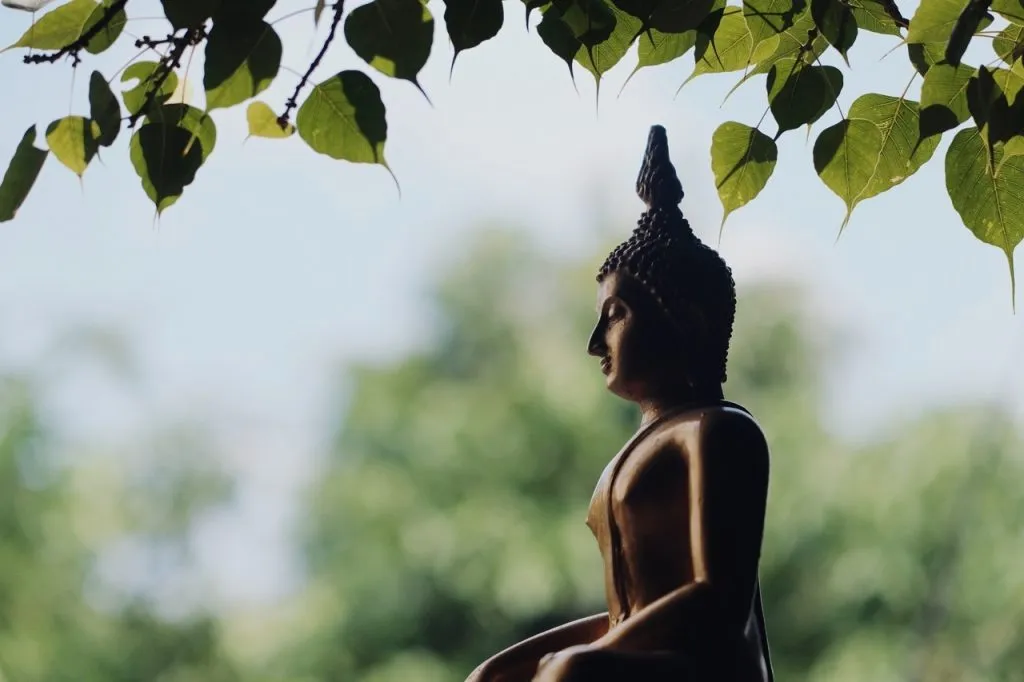
The Buddhist Rains Retreat in modern Thailand has evolved to include two significant religious rituals. One of these famous rituals is commonly known as the Candle Procession.
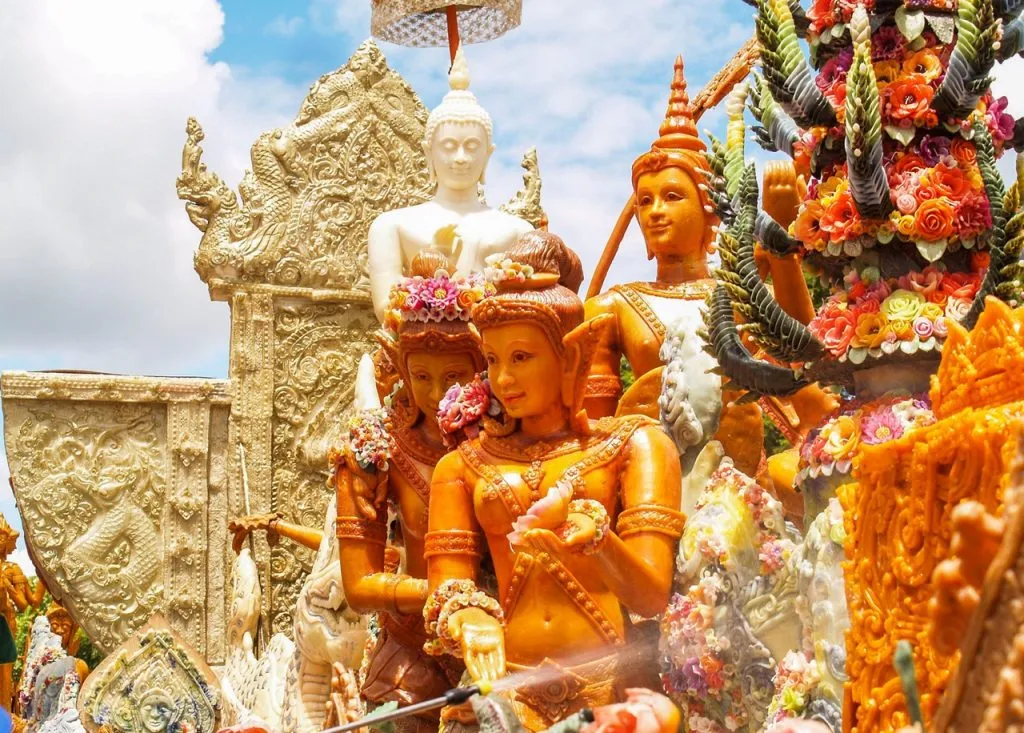
Monks are required to undergo early morning or evening prayers during the retreat. In an effort to support them, Buddhist Thais would light candles for monks staying at temples to help them continue their monastic studies. Now, the Candle Procession involves elaborate float-size wax carvings in an awe-inspiring display of traditional craftsmanship.
The second of these rituals outlines the process of the Offering of the Rain-Bathing Cloth. In contemporary Thailand, offering rain-bathing cloths to monks during this Vassa period is a time-honored tradition. This practice dates back to the time of Lord Buddha, when the Great Benefactress Visakha made a symbolic offering of rain-bathing cloths to Buddhist monks.
Vassa around the world
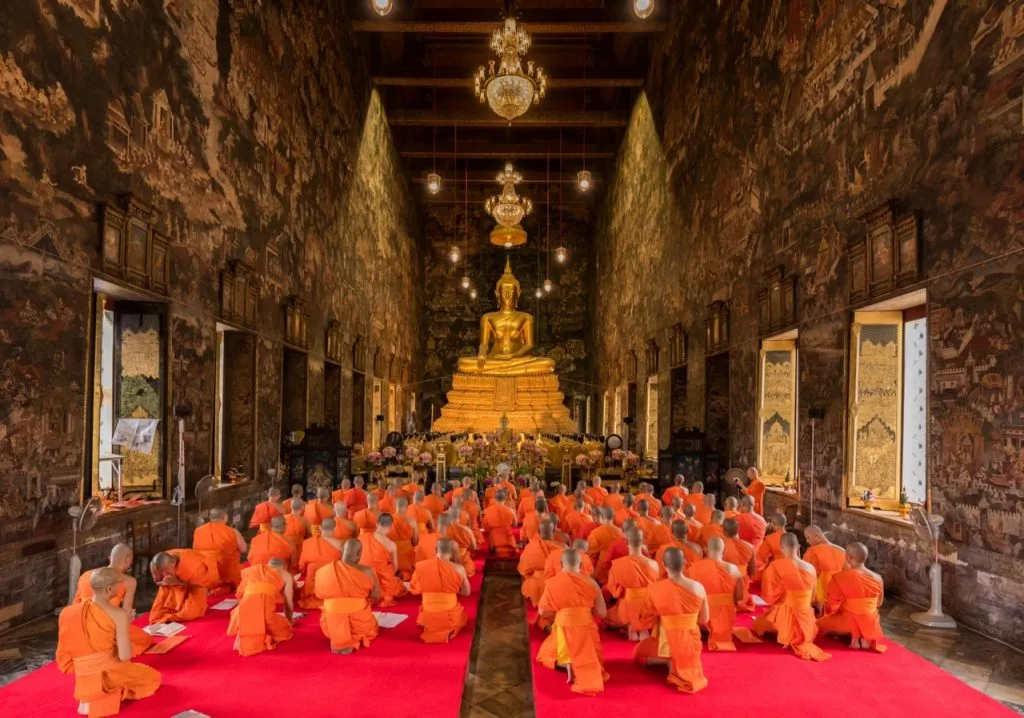
The significance of Vassa remains evident in many Theravada Buddhist nations. Aside from Thailand, active celebrations and commemorations take place in Sri Lanka, Myanmar, Cambodia, and Laos, where Theravada Buddhism is widespread.
In Myanmar, the end of Vassa is marked by the Thadingyut Festival, one of the most popular festivals in Myanmar. Similar to Thailand, Sri Lanka observes Vassa on the day following Esala Poya Day (or Asalha Bucha Day in Thailand), marked by the full moon of the eighth lunar month. However, Sri Lankan monks who failed to commence Vassa on the day following Esala Poya are allowed to enter “Late Vassa.”