

The Festival of the Tenth Lunar Month or Sat Duan Sip originated as an animistic tradition in the southern province of Nakhon Si Thammarat. It is believed that during this period, the spirits can meet with their descendants and receive their offerings.
As with many lunar holidays in Thailand, the exact dates vary from year to year, but it’s traditionally held towards the end of the tenth month of the Thai lunar calendar (which falls around September/October). This year, Sat Duan Sip will take place from September 28th to October 12th, 2026.
This event is not to be confused with the Phi Ta Khon Festival, which is traditionally observed from late June to early July and organized in the northeastern province of Loei.
Animism and Buddhism in Thailand
The Festival of the Tenth Lunar Month (🇹🇭) is based on two religious concepts of spirits and karma. The festival speaks to the syncretism or merging of animism and Buddhism in Thailand.
Theravada Buddhism holds that one’s karma can influence their rebirth into several realms of Buddhist cosmology, including its numerous heavens (savan) and hells (narok). These beliefs, combined with existing animistic beliefs in spirits, gave rise to the modern tradition that is Sat Duan Sip.
During the festival, people pay their respects to their ancestors while appeasing praet, or ghosts who suffer from insatiable hunger.
Tenth Lunar Month Festival activities
Like other religious holidays in Thailand, people make merit during Sat Duan Sip — also known as Ngan Boon Duan Sip (literally, “Tenth Month Merit-making Event”). Activities include bringing food and other goods and offering them to their ancestors, as well as the aforementioned praet or spirits in suffering.
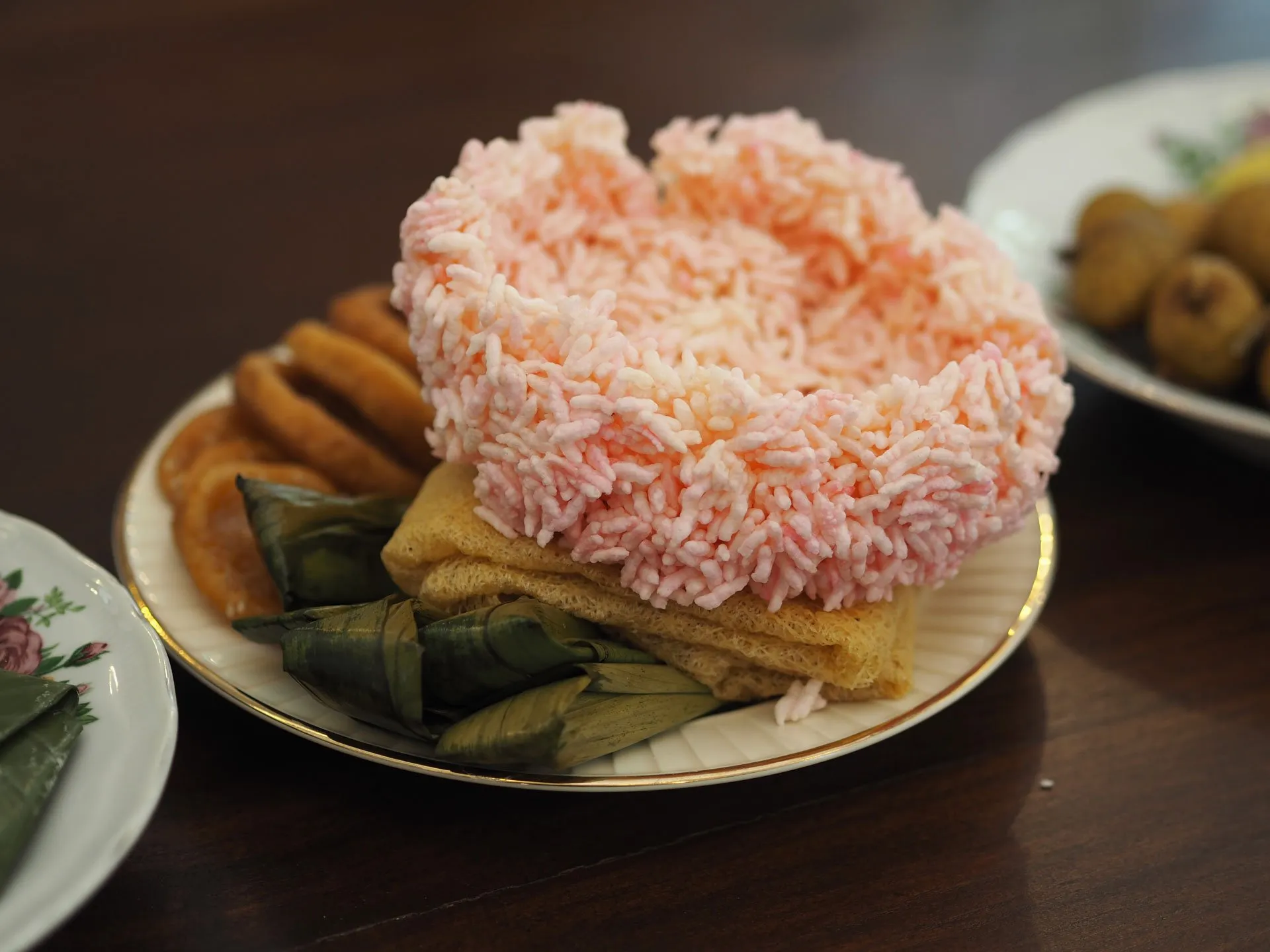
Five traditional desserts are placed on a decorated tray called mrup and offered to the spirits:
- Khanom La symbolizes clothing, due to its resemblance to folded fabric.
- Khanom Pong symbolizes a raft that guides spirits through Samsara, a Pali word in the Buddhist faith that means the cycle of life and death.
- Khanom Deesum symbolizes cowrie shells, a currency used during the Sukhothai period.
- Khanom Gong symbolizes accessories, as it bears similarities to rings and bracelets.
- Khanom Bah symbolizes saba, a traditional Thai game played during Songkran.
Then the attendees participate in a ritual known as Ching Praet, competing for the food and offerings. The more you’re able to take, the more merit you and your ancestors will receive. Nowadays, the rituals have been reformed with a queue system to avoid civil unrest.
Differences in other regions of Thailand
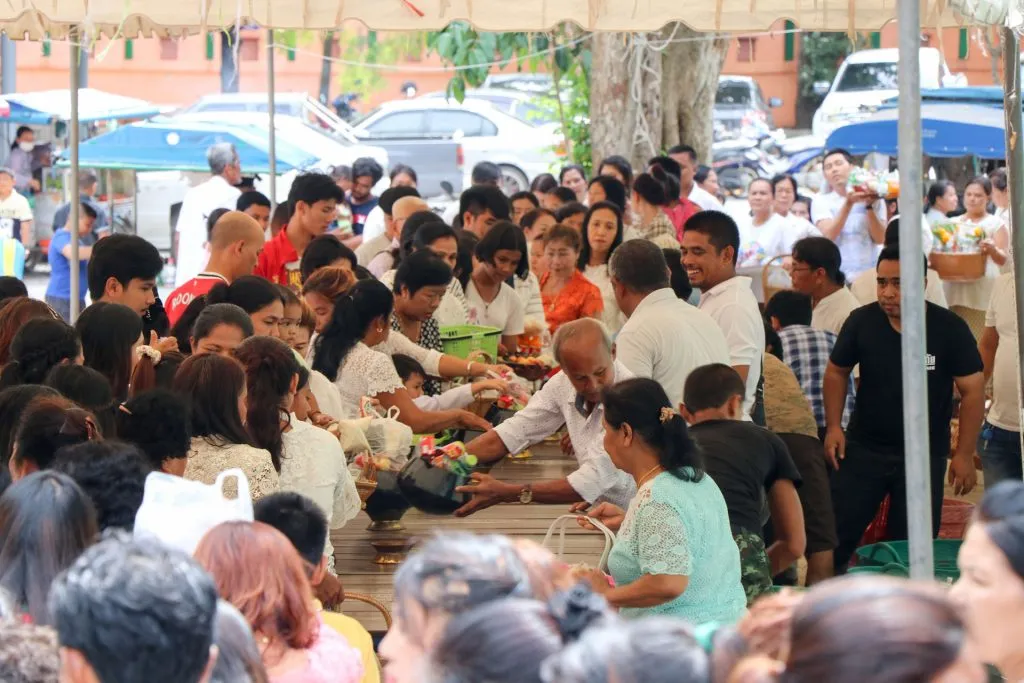
In other parts of Thailand (🇹🇭), this period of merit-making and expressing gratitude towards one’s ancestors changes from region to region. Commonly known as Sat Thai in central Thailand, there is a greater emphasis on going to temples, giving alms, and listening to Buddhist sermons.
The northeastern festivities resemble those of central Thailand, while incorporating the Ching Praet rituals celebrated in southern Thailand. However, food from the ritual is often given to children, as well as the household spirits that protect their farms.
In northern Thailand, Tan Kuay Salak refers to the same event with a northern twist. Food and other goods are instead provided in a bamboo basket (kuay), and the monk is given a ballot (salak) that determines the offering received.
Krayasat: Thai dessert for the afterlife
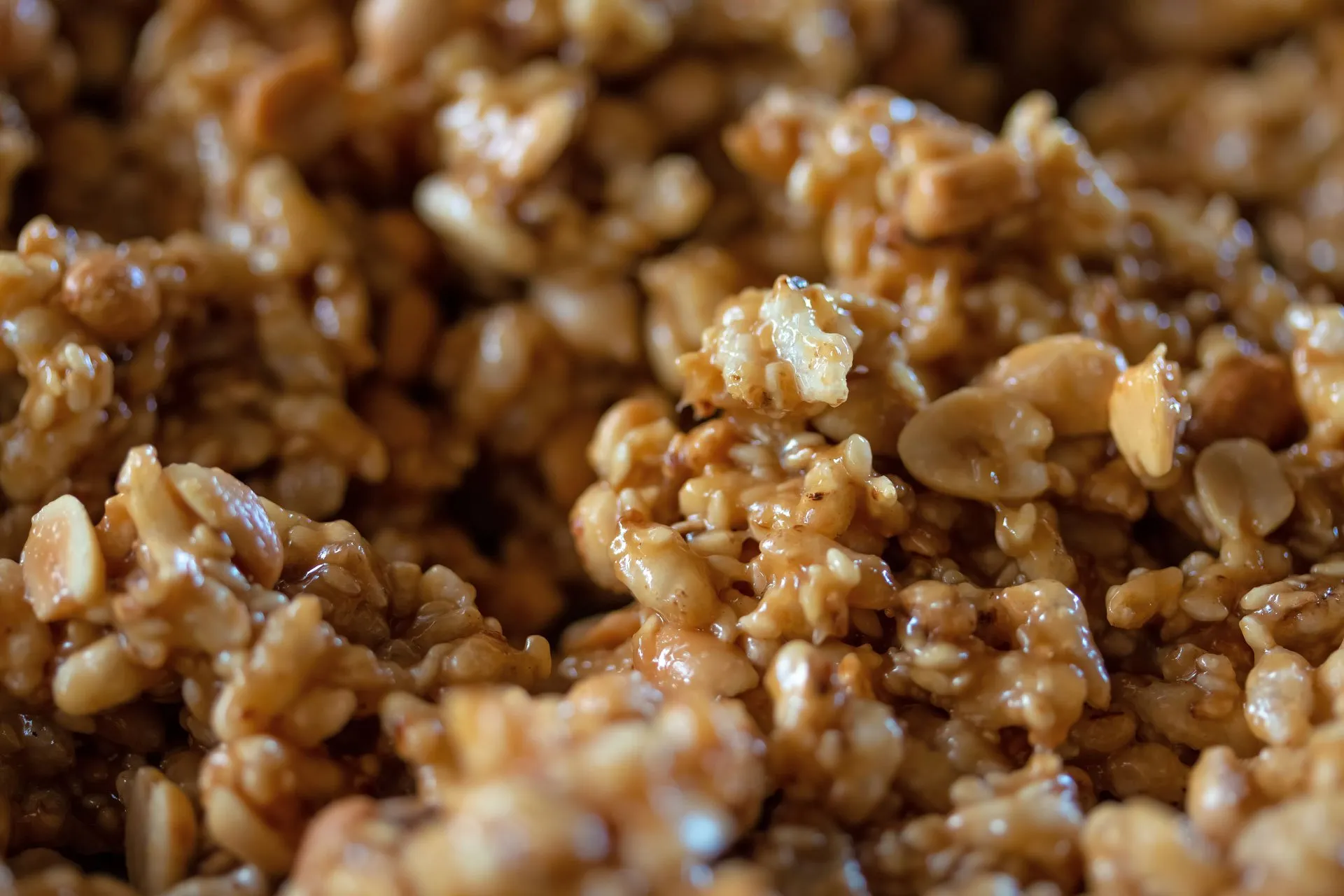
Shared among different regions, is the tradition to serve a Thai dessert called krayasat. The snack is made of peanuts, sugar cane, sticky rice, sesame, and coconut. Its appearance resembles that of a granola bar but with a sweeter taste and stickier texture.
According to local beliefs, krayasat must be part of any almsgiving during this time, or else one’s ancestors will have nothing to eat in the afterlife.