Long known for beaches and mass tourism, Phuket is undergoing a cultural reawakening as the ongoing Thailand Biennale Phuket 2025 reframes the island as a living canvas.
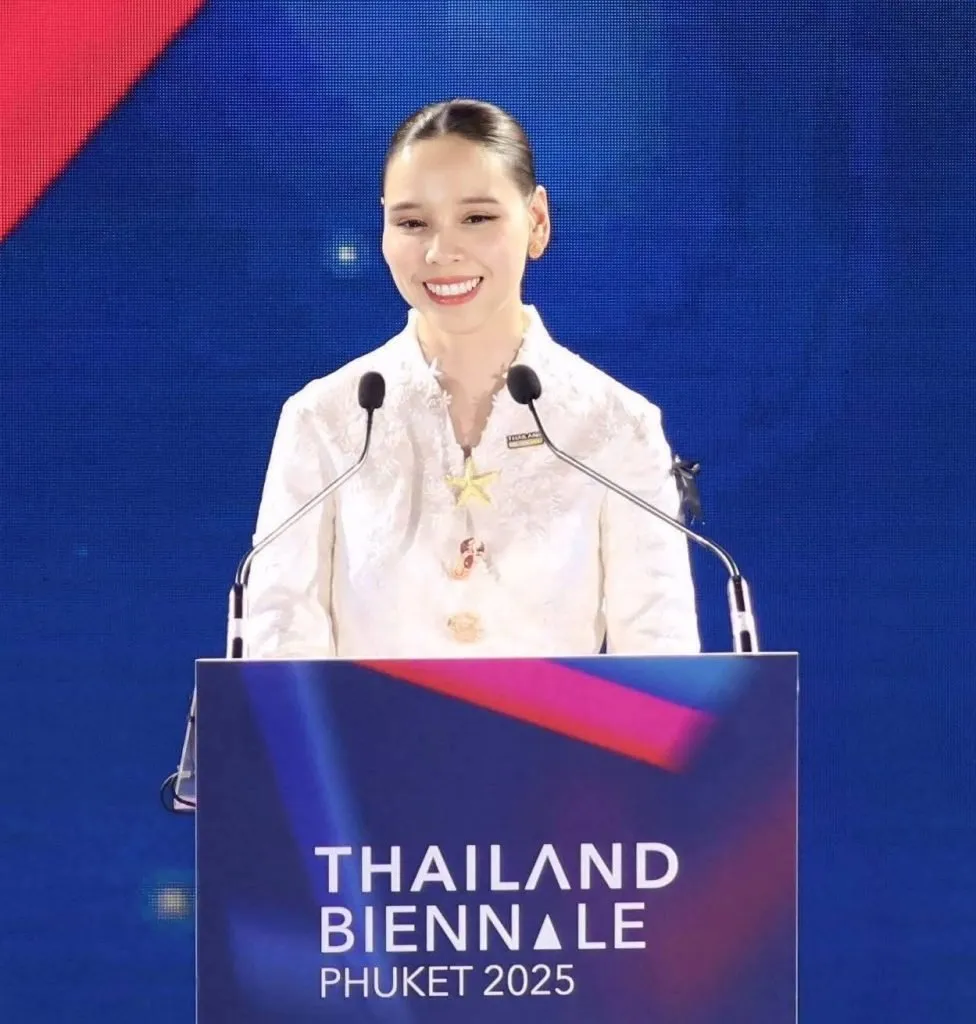
Culture Minister Sabeeda Thaised noted that the event, which began in November and will conclude in late April, has drawn over 2.4 million visitors and generated nearly THB29 billion (US$882.8 million) in economic circulation. Spanning everything from local businesses to international tourism, the scale effectively positions the biennale as a driver of Thailand’s growing cultural economy.
International attention has followed, with recent coverage from The New York Times highlighting how the biennale reveals “another side” of Phuket that is rooted in craftsmanship and community beyond the resort culture it is famously known for the world over.
Art embedded in place
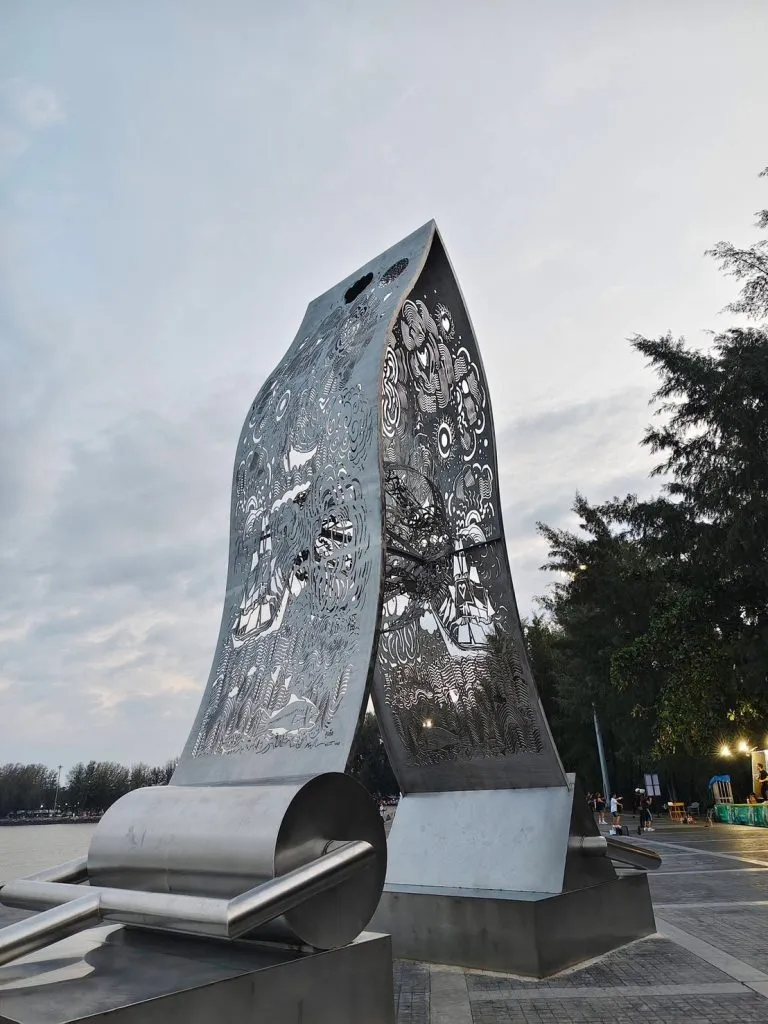
Unlike traditional museum shows, the biennale unfolds across 20 venues scattered from Old Phuket Town to mangrove forests and former industrial sites. Abandoned distilleries, power stations, and historic mansions have been transformed into immersive exhibition spaces, inviting visitors to explore the island’s layered past.
This decentralized approach reflects the event’s curatorial ambition to bring contemporary art into everyday environments. Installations range from intricately crafted glass sculptures made with locally sourced materials to large-scale textile interventions stitched together by community artisans.
Other artworks repurpose discarded materials, such as coffee grounds, coconut husks, and industrial remnants. These pieces have become a kind of tactile reflection on Phuket’s uneven path from resource-based economy to global tourist hub.
Craft, culture, contested histories
In essence, the biennale grapples with Phuket’s identity. Once shaped by tin mining, fishing, and trade routes, the island has absorbed waves of cultural influence, particularly from Chinese migration, while — like the rest of Thailand — never being colonized.
Artists engage directly with this history, with some works exploring colonial hierarchies through everyday objects like chairs, while others examine labor, migration, and environmental change. The emphasis on craftsmanship is as sociopolitical as it is nostalgic, highlighting forms of knowledge often overshadowed by modern development.
“The biennale is a national vehicle with a mandate to promote Thai artists,” noted co-artistic director David Teh, who said the goal is to recognize the ongoing relevance of craft in shaping contemporary expression.
Thai soft power on display
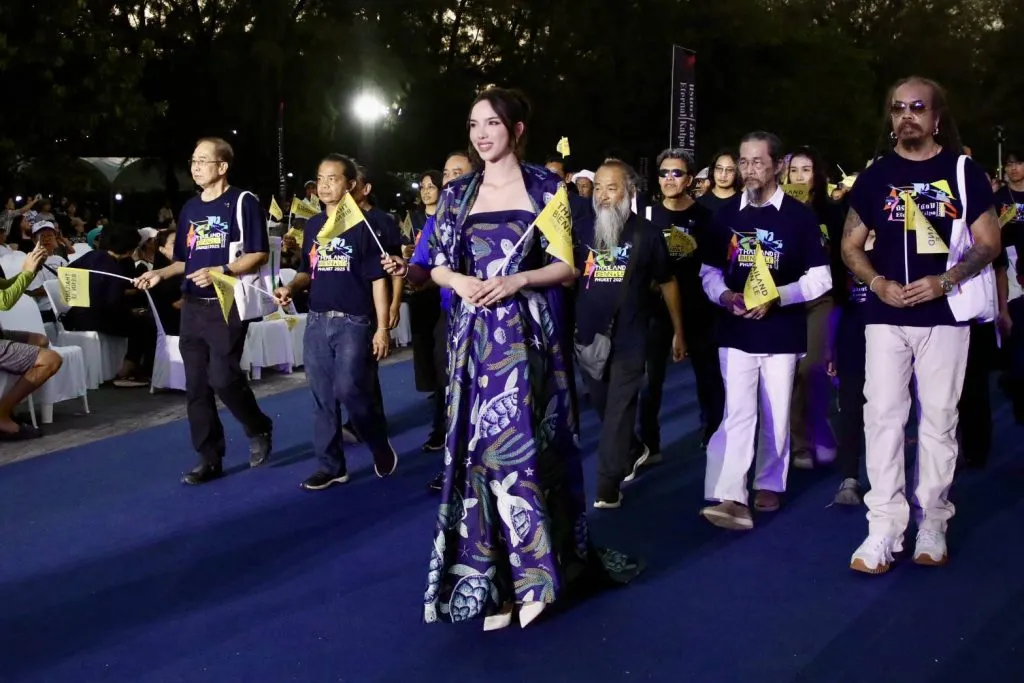
For Thailand, the biennale represents a strategic investment in cultural soft power. By combining global artistic dialogue with local storytelling, the event strengthens the Kingdom’s position as a creative hub in Southeast Asia.
With the Phuket event entering its final stretch, attention is already shifting to the next host city: Rayong. This rotating model ensures that the biennale’s impact extends beyond a single destination, spreading cultural and economic benefits nationwide.
In the case of the Andaman Pearl, the event has helped to vividly and ambitiously chronicle captivating stories beneath the surface of a familiar tourist paradise.