

Chiang Mai is beloved by its multicultural community as a quaint city where modern developments coexist with ancient buildings. However, our changing climate threatens to erase its cultural heritage. Over the past several years, flooding has damaged Thailand’s 17th-century temple and historical park, while the city’s trademark teak houses warp and decay.
Thailand is home to 7 UNESCO World Heritage Sites, which, like many Asia-Pacific countries, are especially vulnerable to climate adversity. The Asia-Pacific’s concentration of cultures, languages, and even biodiversity, coupled with its demand for high-skilled green workers, positions the region to lead a more intersectional climate and environmental movement.
Thailand’s cultural appeal to the climate sector
From June 28th – 29th, 2024, Bangkok warmly welcomed the “Entertainment + Culture Pavilion.” Standing at the intersection between climate and culture, the Pavilion’s debut at COP28 was one of the first culture-climate initiatives at the 2023 United Nations Climate Change Conference in Dubai, UAE. The Pavilion’s iteration in Dubai last year involved high flyers in the climate space including climate activist Xiye Bastida, environmentalist and UN climate advisor Ayisha Siddiqa, and environmental educator and QueerBrownVegan creator Isaias Hernandez.
The E+C Pavilion programming followed the Creatives for Climate Action – Thailand (CCAT) conference, which unites European and Thai stakeholders within the creative industry and cultural sector to propel sustainability and climate action efforts on June 26th – 27th, 2024.
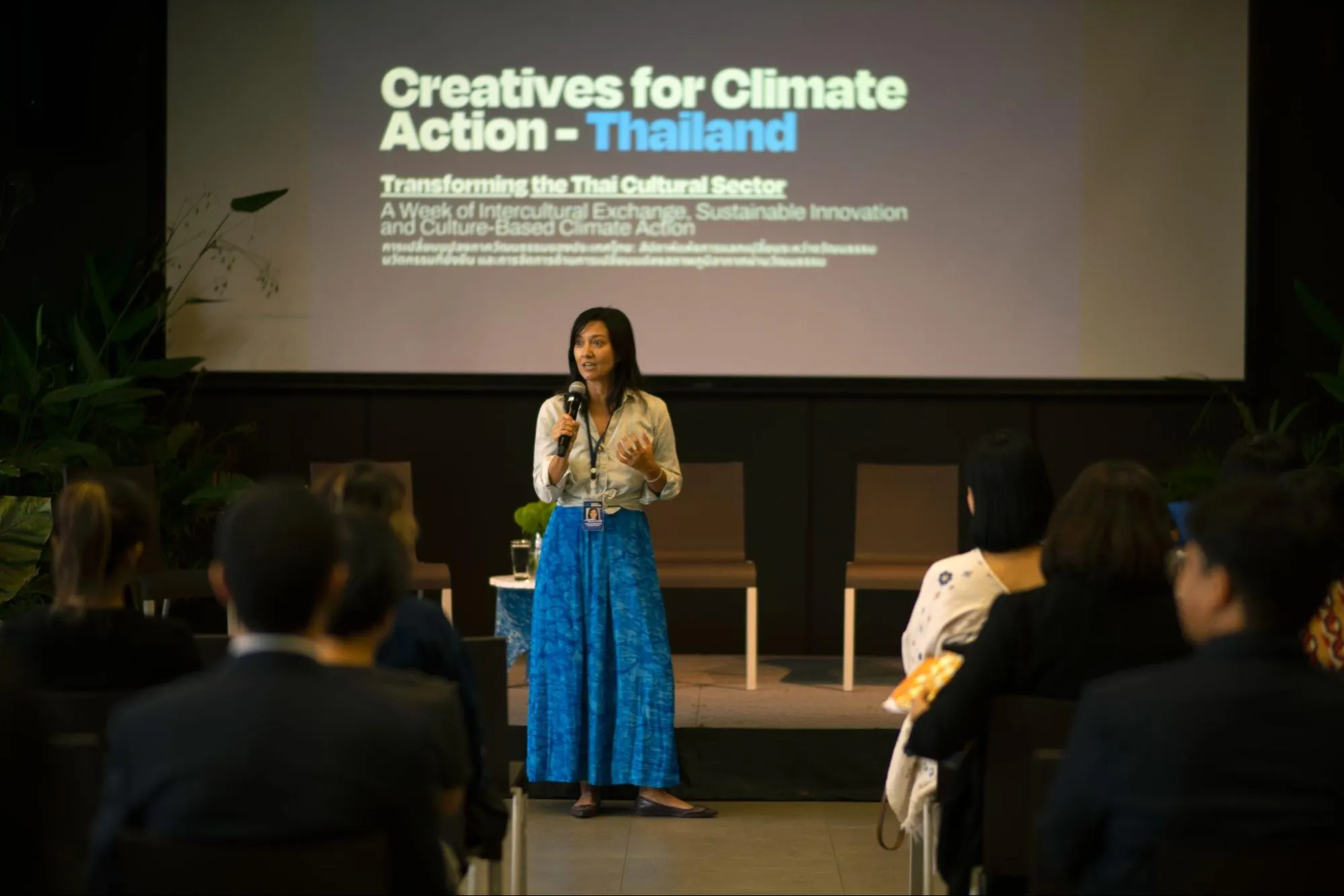
“CCAT is the first of its kind in Thailand. This conference establishes a community of creatives centered around climate action, which is very powerful in influencing industry and policy change. We hope that CCAT will elevate Thailand as the preeminent intersectional leader of climate and culture in the ASEAN region and beyond,” stated Susannah Tantemsapya, CCAT Producer and Founder & Executive Director of Creative Migration / Bangkok 1899.
Highlights of CCAT and the E+C Pavilion
The following programming by the E+C Pavilion allowed for conversations at CCAT to further delve into the Thai creative community.
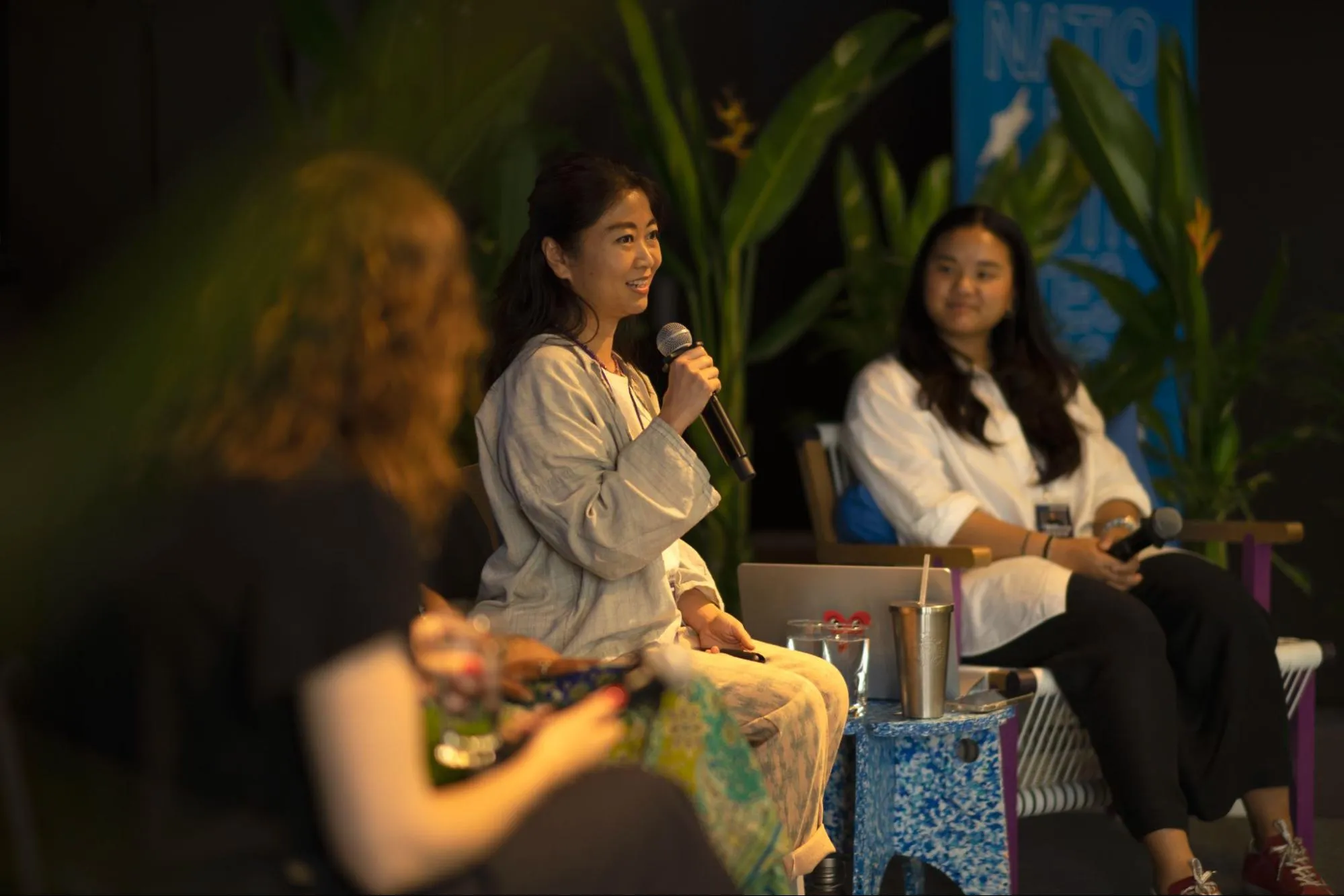
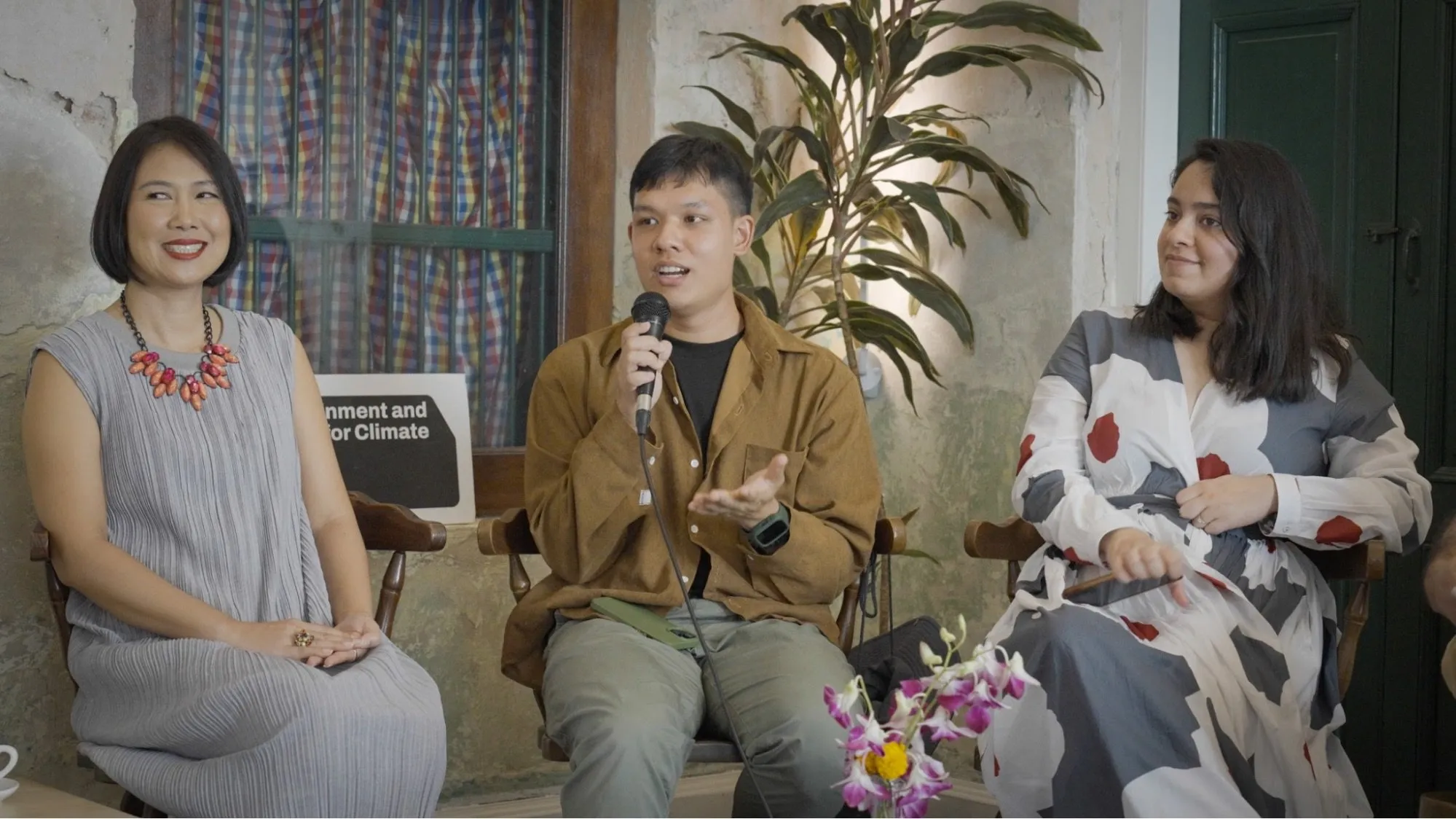
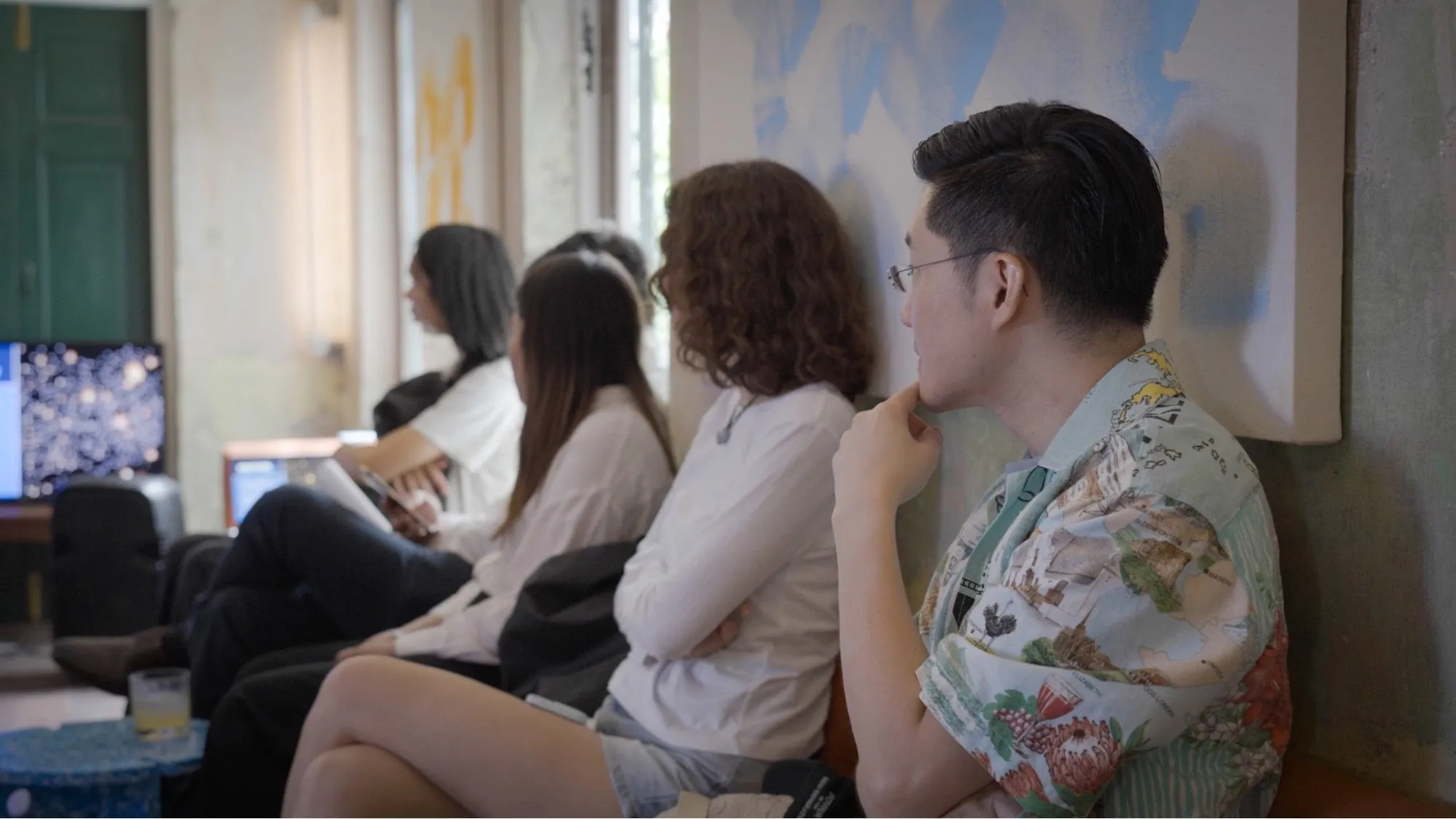
“We’re thrilled to see the Entertainment + Culture Pavilion take its first step into the Asia-Pacific region this June with our kick off Bangkok Pavilion and our roadmap to COP29 in Baku, Azerbaijan later this year. By stepping outside of the UN Blue Zone and into the Thai creative industries and tackling the culture gap in our climate agenda,” stated E+C Pavilion co-founders Gunjan Nanda, Kirsten Wessel, and Samuel Rubin.
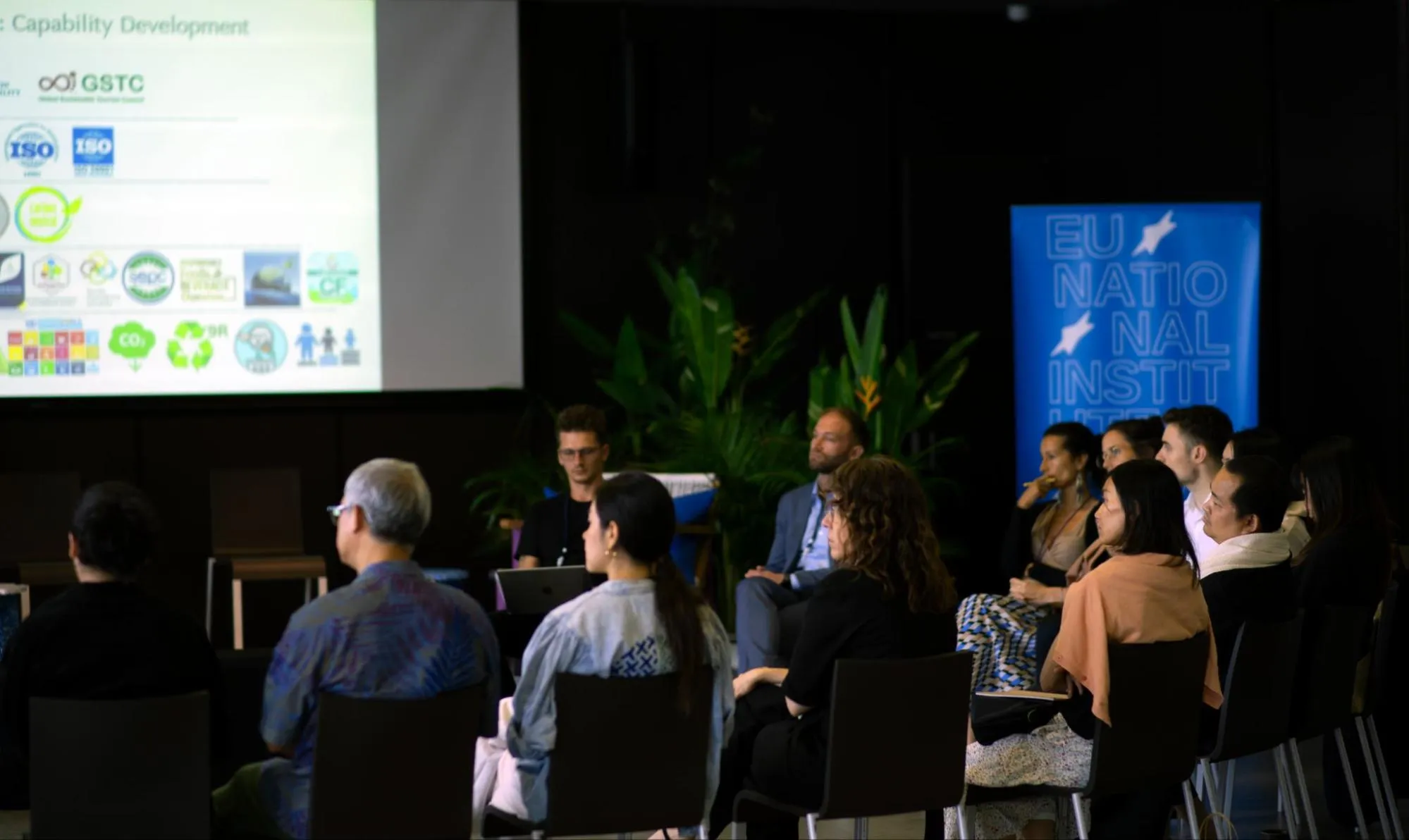
Reflecting on the events, Deputy Head of Mission at the Austrian Embassy Bangkok Michael Schmeiser noted, “At the heart of CCAT are the EUNIC principles of co-creation, mutual learning, and collaboration. Through a joint effort by European and Thai pioneers in sustainable event management, coupled with strong local inputs, we will create a hands-on toolkit inspired by international best practices and tailored to the unique needs of the local cultural sector. Ultimately, CCAT aims to address a critical challenge shared by Europe, Thailand, and of course, the rest of the world: the climate crisis.”
Deputy Director of the Creative Economy Agency (CEA) Pichit Virankabutra noted, “CCAT exemplifies the CEA’s commitment to forging cross-cultural partnerships that catalyze positive change. We are honored to work alongside European and Thai stakeholders, learning from each other’s experiences and developing strategies to ensure our cultural events and practices are environmentally responsible and socially impactful.”
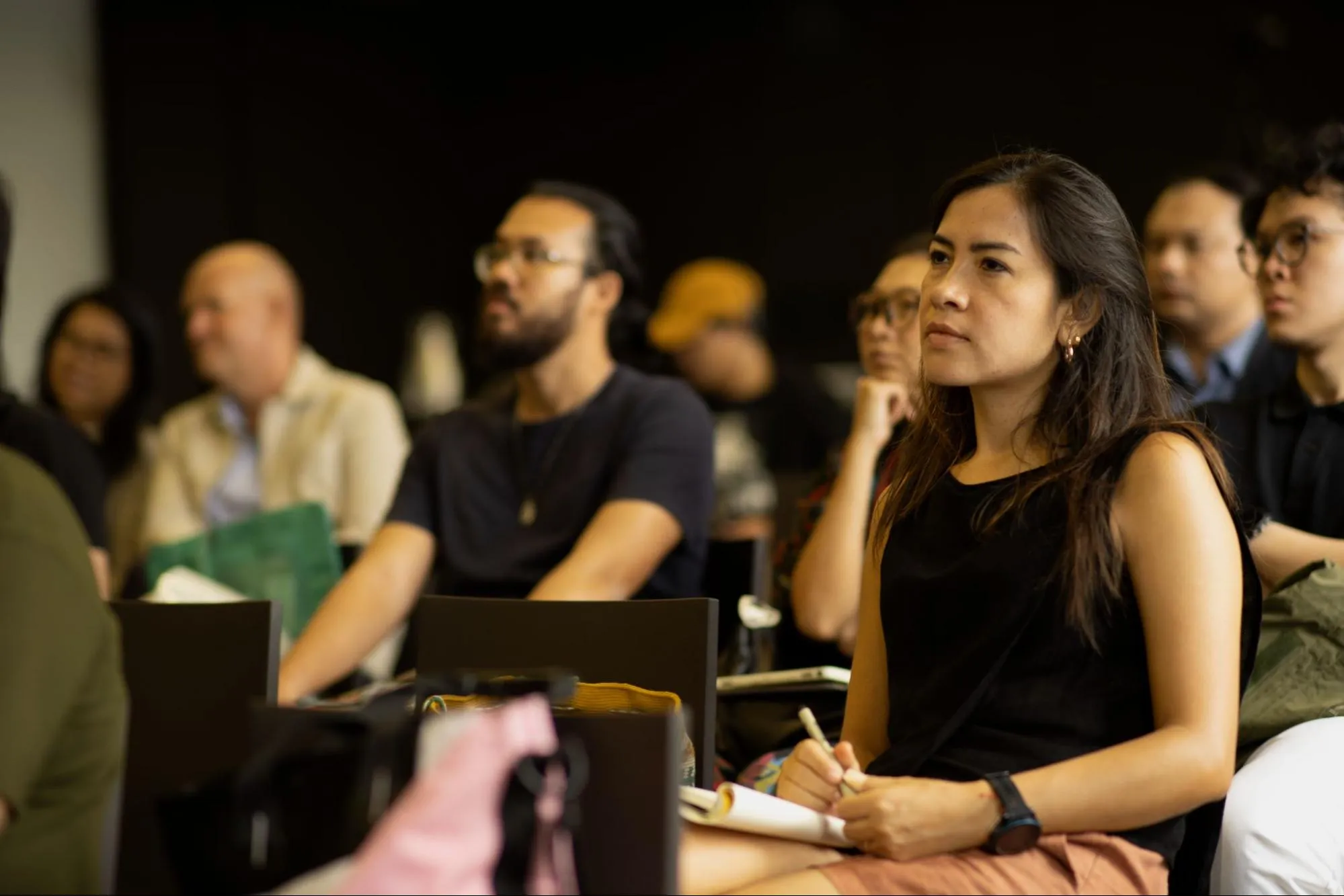
The CCAT conference and E+C Pavilion were also joined by Counsellor and Ministry of Culture representative Nuanvan Daraswasdi, Managing Director, The Siam Society Under Royal Patronage Kanitha Kasina-Ubol and Manager of the Siamese Heritage Trust Jarunee Khongswasdi, Southeast Asian Heritage Cultural Alliance (SEACHA) Vice-Chairwoman, Co-Chair of Culture@COP28 Working Group, and Director of Yangon Heritage Trust Moe Moe Lwin, and First Secretary of the Division of Development Affairs, Department of International Organizations under the Ministry of Foreign Affairs Sasiyada Naowanondha from the cultural and foreign affairs sector.
Additional high-profile attendees include representatives of the Department of Climate Change and Environment (DCCE) under the Ministry of Natural Resources and Environment Fairda Malem and Chaipon Juntawang, Chief Sustainability Officer of the Bangkok Metropolitan Administration Pornphrom Vikitsreth, and UNFCCC-IGES Regional Collaboration Centre for Asia and the Pacific Jens Radschinski from the climate sector.
CCAT receives multilateral support
The CCAT is a project by the European Union National Institutes for Culture (EUNIC Cluster) Thailand and is supported by Alliance Française, British Council, Goethe-Institut, Camões – Instituto da Cooperação e da Língua, the Embassies of Austria, Italy, Luxembourg, and Spain, as well as the EUNIC Cluster Fund. The CCAT is co-organized with Creative Migration in collaboration with the Creative Economy Agency.
The Entertainment + Culture Pavilion’s activation would not have been possible without the generous partnership and support of the EUNIC Cluster Thailand, Creative Migration, Bangkok 1899, SAUNTR, The Convergence, Chatty Changemakers, Green & Beyond Magazine, CCCL Film Festival, and The Siam Society.
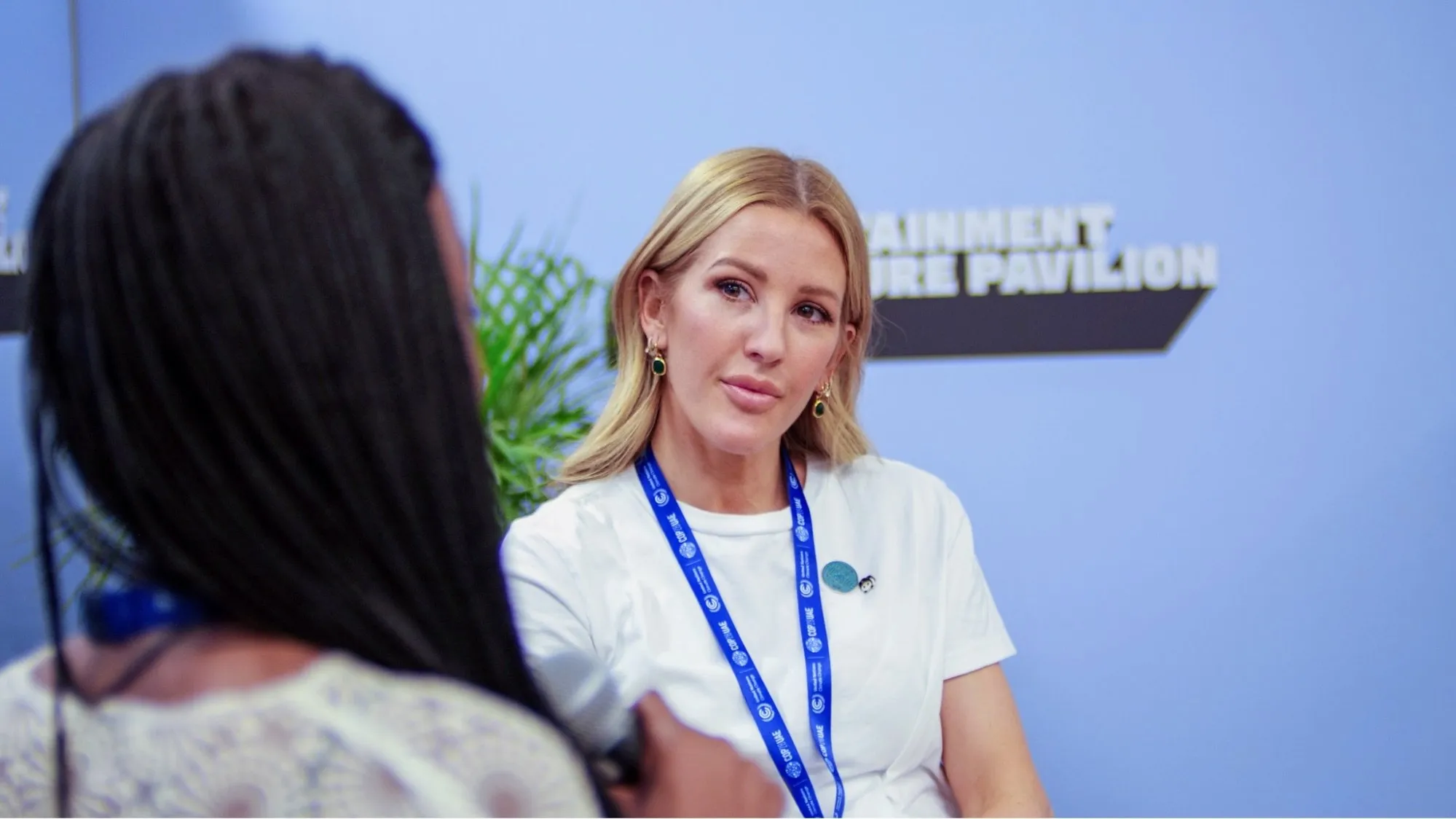
“Asia Pacific needs a seat at the table. It’s still very Global North-led and so it’s super important for all of you in this room to participate and also have this voice. That is very necessary because the climate crisis is all over the world and it shouldn’t only be led by the Global North which it is predominantly [the current state] right now,” stated Susannah Tantemsapya at the opening of the CCAT Conference.
Joining the climate movement
The organizers of the CCAT conference are currently working on a Toolkit which will be a comprehensive, easy-to-use sustainability database aimed at supporting Thailand’s event organizers towards their green transition. The content of this bilingual resource includes best practices, company profiles of sustainable suppliers (vendors, venues, brands, consultants, tools, resources, companies, services, etc.), climate literacy, and case studies from local Thai and European industry partners.
If you are interested in being featured in the Toolkit, join the Creatives for Climate Action – Thailand (CCAT) Toolkit by filling out a short submission form.
The journey of the Entertainment + Culture Pavilion is just getting started. Stakeholders in the creative industries and environmental groups are invited to participate and collaborate in future activations and programming at the Climate Week – Summit of the Future in New York, USA this September, as well as the COP16 Biodiversity Summit in Cali, Colombia this October, and the COP29 UN Climate Change Summit in Baku, Azerbaijan this November, or at COP30 UN Climate Change Summit in Belém, Brazil next year.

 Paul Rujopakarn
  Teerin Julsawad