

Walk through any fight gym from Los Angeles to London, and you’ll see it: Thai lettering on shorts, retro satin trunks worn as casual loungewear, Muay Thai warm-up tees creeping into everyday wardrobes. What used to signal a niche combat sport now reads as a wider aesthetic: bold, graphic, and instantly recognizable.
That shift didn’t happen accidentally. A mix of global fitness culture, MMA’s boom, and the rise of Thai-born brands entering the lifestyle market pushed Muay Thai beyond the ring. Yokkao, in particular, reframed fight gear as fashion, intentionally positioning itself alongside streetwear labels rather than just sporting goods companies.
At the same time, Muay Thai gyms became cultural touchpoints in themselves, especially in cities with strong Southeast Asian diasporas and fitness communities. A Fairtex logo or a pair of Thai-cut shorts increasingly works like a badge: you train. Or at least, you want people to think you train.
All of this created a moment where Muay Thai aesthetics could jump from subculture to streetwear without losing their edge.
What Makes Muay Thai Style So Distinct
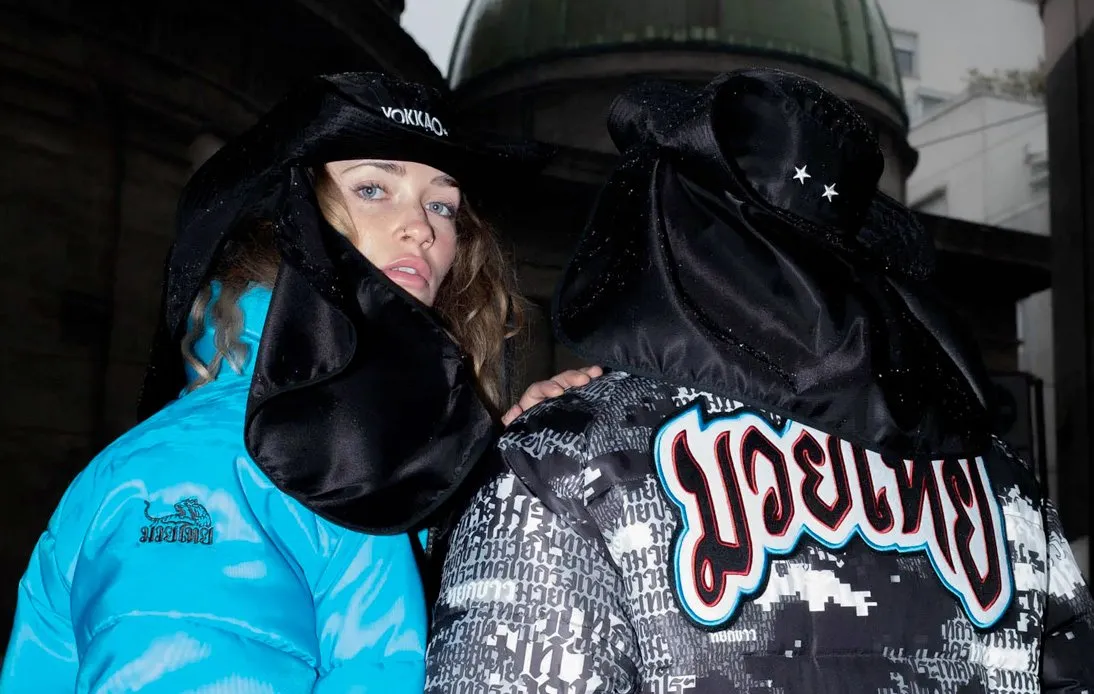
Muay Thai has a visual signature that translates unusually well into fashion. The shorts alone carry half the identity. High side slits for mobility, glossy satin or microfiber, oversized Thai script, and a silhouette that hasn’t changed much since the golden-age stadium era. Designers have treated them as a ready-made template: bold, structured, and already culturally meaningful.
But it’s not only the shorts. Training tees, retro camp gear, hand wraps wrapped around wrists in casual outfits, and even elements of fighter Mongkhol headpieces reinterpreted in fashion shoots. Muay Thai’s iconography is graphic enough to survive outside gym walls. The visual language is built on contrast: strong colors, mythological figures, gym emblems, and script that reads as both an aesthetic and a cultural marker.
There’s also a practical appeal. Fight gear is built to move, endure sweat, and take impact, qualities that align perfectly with athleisure and modern streetwear. So the crossover feels inevitable. When form follows function this cleanly, it tends to travel.
How the Ring Crossed into Streetwear
The leap from fight gear to streetwear didn’t happen because designers suddenly discovered Muay Thai. It happened because the culture around the sport changed.
As MMA exploded globally, more people trained casually, and Muay Thai became one of the major striking disciplines in major gyms. With that came a familiar pattern: students bought shorts, gloves, or gym tees, wore them on the way home, posted training videos, and suddenly the look existed outside the gym.
Yokkao accelerated that shift by doing something unusual for a fight brand: by treating itself as a fashion label. Instead of releasing only gym gear, it dropped full streetwear collections, styled campaigns like they belonged in hype-driven fashion editorials, and collaborated with designers outside the fight world.
Fairtex, meanwhile, grew into a global name through a different route. Fighters brought Fairtex gloves and shorts into MMA promotions, international gyms adopted their equipment, and gym-branded merch slowly became everyday clothing for people who liked the aesthetic, whether they trained or not.
The design evolution of the shorts themselves pushed the trend even further. Traditional wide-cut satin was joined by hybrid models (slimmer silhouettes, performance fabrics, minimalist logos), making them more wearable outside the ring. Fashion edged in because the gear started looking like fashion.
Social media (as always) finished the job. A cut that used to signal “fighter” now signals “cool person who trains Muay Thai,” and for a lot of people, that’s enough.
None of this required Muay Thai to be reinvented. It just needed visibility and a global generation fluent in borrowing aesthetics from the sports they love.
Influence on MMA and Global Combat-Sport Identity
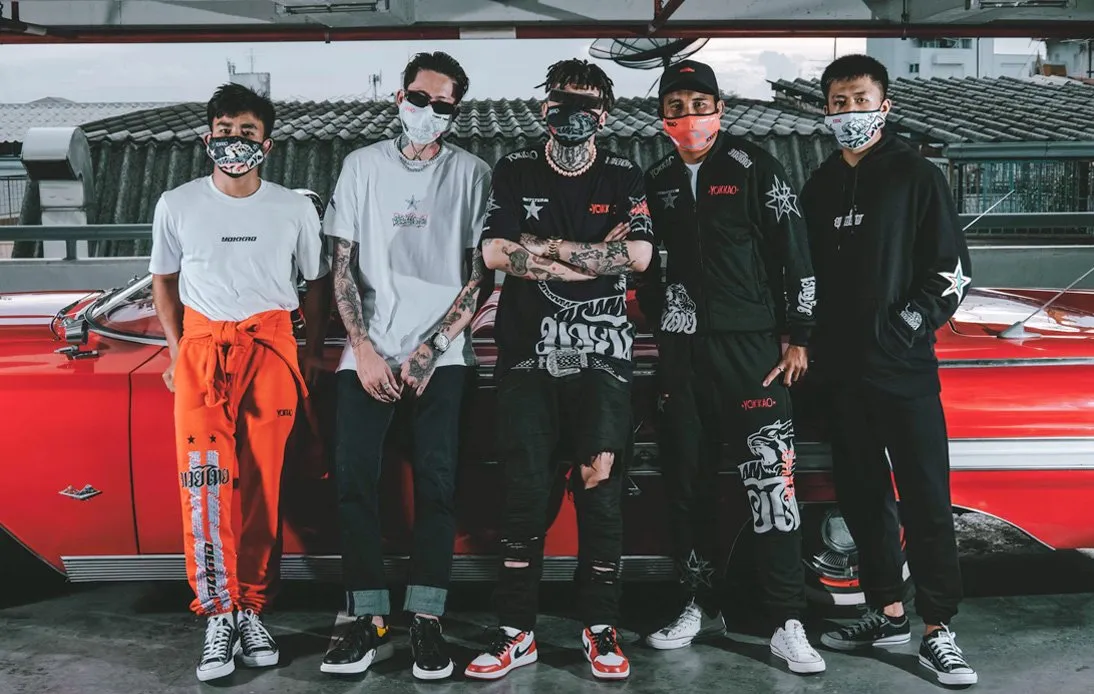
Most major MMA gyms teach Muay Thai as their striking foundation, which means the sport’s gear and rituals spilled into MMA culture early: Thai-style gloves, Thai pads, Thai warm-ups, and shorts inspired by stadium cuts. Step into almost any MMA gym, and the architecture of Muay Thai is everywhere.
As a result, fighters incorporated Muay Thai elements into their own branding: the shorts they wear during training clips, the lettering on their custom gear, even the way gyms merchandise their apparel. When fans buy that gear, they’re often buying a Muay Thai aesthetic without realizing it.
You can see the overlap in promotions, too. MMA organizations in Thailand — including smaller promotions like Full Metal Dojo — use Muay Thai visuals heavily, whether that’s music cues, branding motifs, or even fighter walkout style. Globally, UFC fighters who train in Thailand often wear Thai gym gear during media week, which pushes the imagery into mainstream sports culture.
From there, Muay Thai aesthetics seep into everyday training culture. People wearing Thai shorts to BJJ warm-ups, hand wraps replacing wristbands, gym tees becoming casual wear. Combat sports blur quickly, and Muay Thai’s visual vocabulary ended up defining the look of the broader scene.
None of this requires a heavy cultural explanation. It’s practical: Muay Thai gear is functional, photogenic, and deeply associated with toughness. In a sport built on a hybrid identity, Muay Thai became the part everyone wanted to keep visible.
Authenticity, Appropriation, and the Aesthetics of Fighting
Once Muay Thai imagery moved into global fashion, the questions followed: Who gets to use the look? What counts as respectful? When does it drift into costume?
The tension usually shows up in three places:
- Brands using Thai aesthetics without Thai involvement: Some international labels have released “Muay Thai shorts” or Thai-inspired graphics without working with Thai fighters, Thai gyms, or Thai designers. That’s where the backlash tends to concentrate, especially when brands borrow script styles or cultural motifs purely for aesthetics.
- Traditional vs. fashion cuts: Inside Thailand, shorts signal identity. Fighters earn certain colors, gyms have their own styles, and stadium cuts have conventions. Fashion versions flatten these distinctions, which doesn’t always sit well with purists.
This isn’t a moral debate so much as a cultural one: what the shorts mean in a ring isn’t what they mean on a runway. - Wearers who don’t train: A familiar argument inside fight communities: is it fine to wear Muay Thai gear casually if you don’t actually train?
In practice, the sport’s global popularity has softened this boundary. Most fighters don’t mind, especially when visibility funnels more people toward training, but there’s always some pushback when the gear becomes purely performative.
Despite these complications, Muay Thai’s integration into streetwear has mostly been embraced rather than rejected. The people who care most about preserving the art — gyms, fighters, Thai-founded brands — are often the same people expanding its aesthetic footprint.
The Next Phase of Muay Thai Style
Muay Thai streetwear is stabilizing into a category. Three trends are worth watching:
- Thai brands moving into global fashion spaces: Labels like Yokkao have already shown they can operate like streetwear houses, with seasonal drops, brand ambassadors, and international retail. The next frontier is collaboration: fashion designers working with Thai gyms, Thai artists, or Thai textile traditions.
- MMA culture continuing to absorb Muay Thai aesthetics: As long as MMA stays dominant, Muay Thai will stay visually relevant. Influencers and pro fighters train in Thailand year-round, posting content that merges fight gear with travel, lifestyle, and athleisure. That pipeline isn’t slowing.
- A shift toward “heritage-informed” design: Young designers — Thai and non-Thai — are experimenting with silhouettes and materials inspired by Muay Thai but adapted into fashion rather than simply reprinting fight gear. Expect to see structured jackets, tailored shorts, or handwoven elements that reference the sport without being literal.
In short: Muay Thai is no longer just a sport influencing clothing; it’s becoming a design language. The next wave likely won’t look like fight gear at all, but the DNA will still be there.

 Paul Rujopakarn