

Some heritage cities feel carefully preserved. Nan feels lived in.
That’s part of why the small northern province has been gaining attention recently as a “Living Old City,” especially after being designated a UNESCO Creative City of Crafts and Folk Art in 2025. The recognition wasn’t centered around a single monument or museum collection, but around something less fixed: the fact that traditional knowledge in Nan is still woven into everyday life.
In many places, heritage becomes something people visit. In Nan, it still feels like something people use.
A city where traditions remain alive
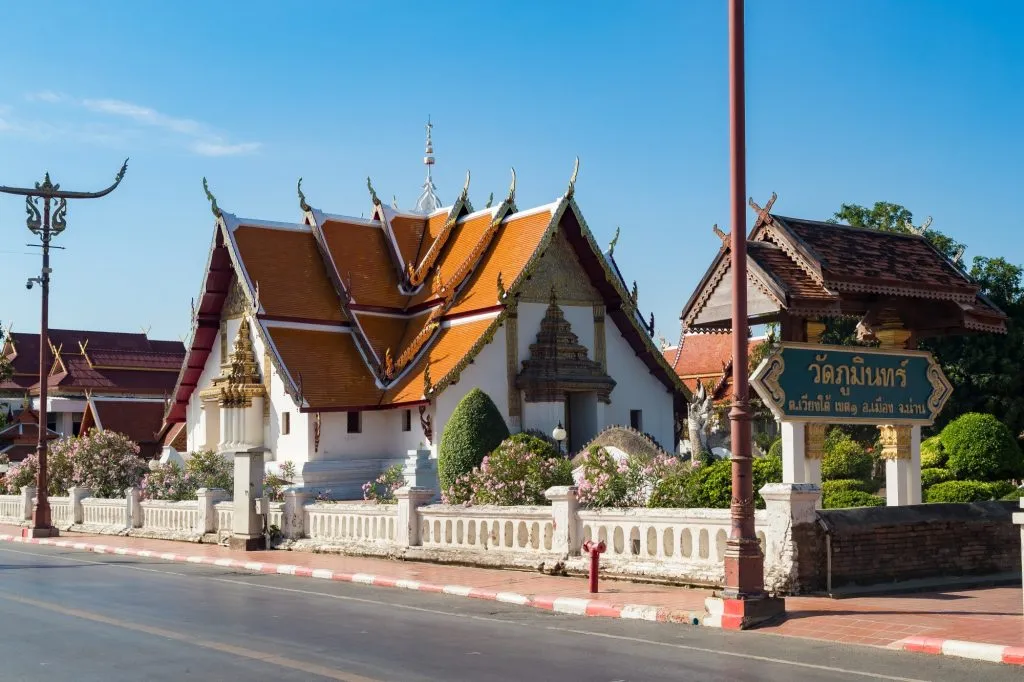
At the center of Nan’s Old City is Wat Phumin, known for its historic murals, including the famous “Whisper of Love” painting that has become one of the province’s most recognizable cultural images.
The murals are often treated as tourist landmarks, but they also document everyday Tai Lue life from more than a century ago, from clothing and social customs to local relationships and community structure.
Nearby, the Nan National Museum provides additional context through collections of textiles, ceramics, silverwork, and regional artifacts. But in Nan, many of these traditions still exist outside exhibition spaces.
In communities such as Ban Sao Luang, weaving remains an active part of daily life. Local artisans continue producing textiles using handlooms and inherited patterns passed down across generations, supporting both cultural continuity and local income at the same time.
That same continuity can be seen in silversmithing and other crafts that remain embedded within family and community networks rather than existing only as demonstration pieces for tourism.
Preservation through participation
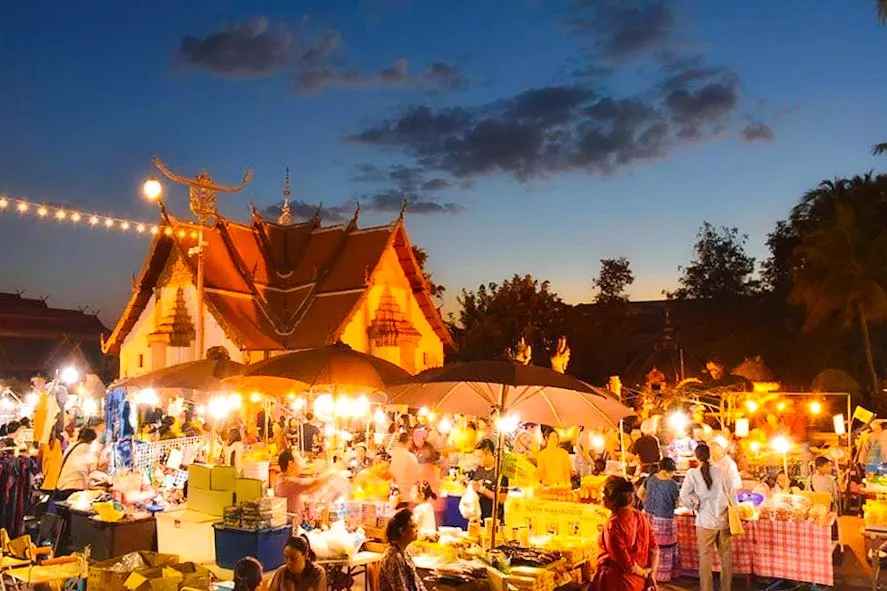
Part of what makes Nan stand out is how public space is used.
The Kad Khuang Mueang walking street brings together local food, crafts, performances, and community activity in a way that feels less staged than many tourism-focused markets. Nearby sites such as Wat Phra That Khao Noi connect religious practice, local identity, and landscape in ways that are still very much part of daily community life.
That balance between preservation and participation is increasingly becoming part of how Thailand approaches cultural heritage more broadly.
Rather than treating culture only as something to archive, there’s a growing emphasis on sustaining traditions through continued use, local involvement, and creative adaptation. In Nan, that often happens organically because many practices never fully disappeared in the first place.
Part of a wider cultural shift
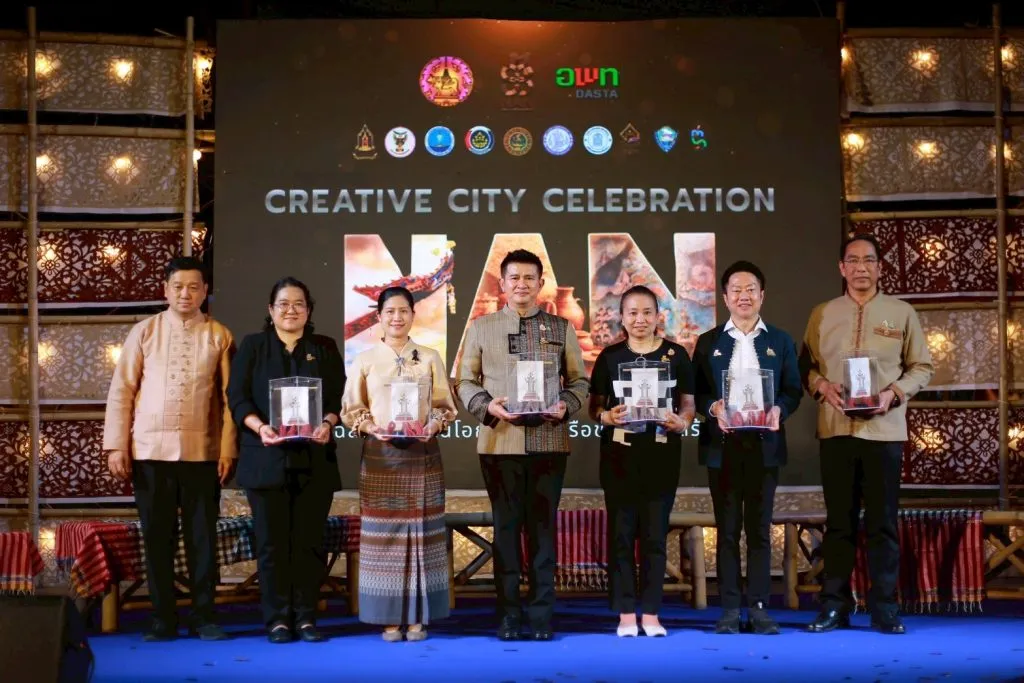
Nan’s UNESCO designation also places it within a larger international network of cities using local culture as a foundation for contemporary development.
Thailand has increasingly leaned into that model in recent years, with cities building identities around forms of living cultural capital that still shape everyday life. Phuket, for example, has been recognized for gastronomy, while Songkhla has been drawing attention for how food culture reflects long-standing multicultural exchange and local tradition.
Nan fits into that conversation differently. Its focus is less about large-scale urban identity and more about continuity at the community level, where traditional knowledge is still actively practiced rather than reconstructed after the fact.
Minister of Culture Sabeeda Thaised described Nan’s UNESCO recognition as a reflection of the strength and sustainability of Thailand’s cultural capital.
What makes the province interesting, though, is that traditions still function as part of ordinary life. Weaving is still tied to livelihoods. Religious sites remain active community spaces. Craft knowledge still moves through families rather than only institutions.
That’s what gives Nan its particular character.

 Paul Rujopakarn