

Thailand has hundreds of important temples, many of them older, famous, or deeply loved in their own regions. So when one temple moves closer to UNESCO World Heritage consideration, the natural question is: Why this one?
Wat Phra Mahathat Woramahawihan in the southern province of Nakhon Si Thammarat is now on the agenda for consideration at the 48th session of the World Heritage Committee, scheduled in Busan, South Korea, from July 20th to 29th, 2026, following an opening ceremony on July 19th. According to the Ministry of Culture, the result is expected between July 25th and 27th.
If approved, the temple would become another Thai cultural site inscribed on the World Heritage List. But the nomination is not based simply on the fact that Wat Phra Mahathat is old or beautiful. The argument is much broader.
The nomination emphasizes the temple’s role in the history of Theravada Buddhism, its connection to Nakhon Si Thammarat’s development as a historic southern center, its Sri Lankan-influenced architecture, and its continued function as a living religious site.
A local landmark
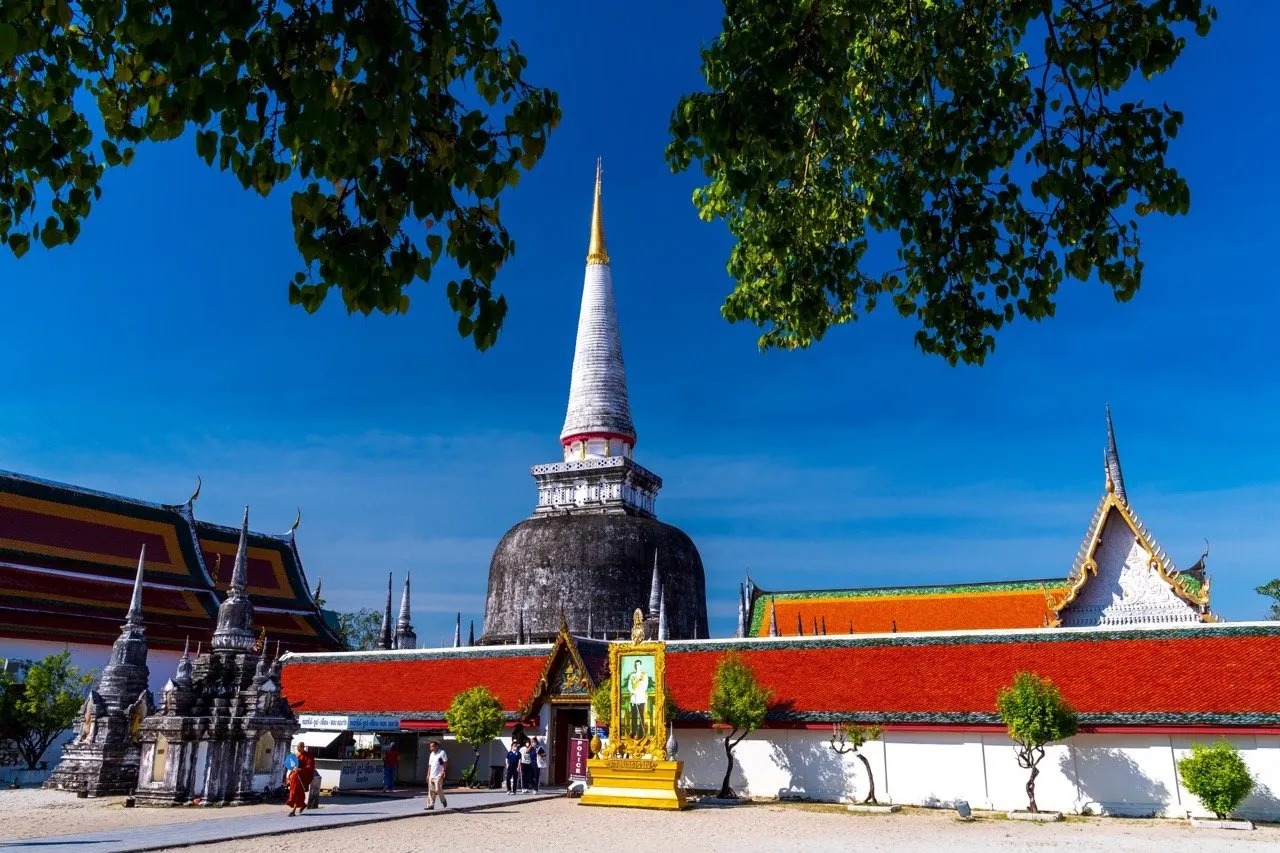
Wat Phra Mahathat Woramahawihan is the main Buddhist temple of Nakhon Si Thammarat, one of Southern Thailand’s most historically important provinces. The temple is located on Ratchadamnoen Road in Nai Mueang subdistrict and is classified as a first-class royal temple of the Woramahawihan class.
At the center of the temple is Phra Borommathat Chedi, also known as the Great Noble Relics Stupa. According to the UNESCO Tentative List entry submitted by Thailand, the stupa was built in the early 13th century by King Sri Dhammasokaraja to house relics of the Buddha and establish a major Theravada Buddhist symbol in the region.
The temple’s significance is closely tied to Nakhon Si Thammarat itself. The UNESCO submission connects the area to Tambralinga, an early state in southern Thailand that developed into a prosperous port town and later became an important center of Buddhist life on the peninsula.
This means that Wat Phra Mahathat stood within a region shaped by maritime trade, religious exchange, and cultural movement across the Indian Ocean and mainland Southeast Asia.
A crossroads of Buddhist influence
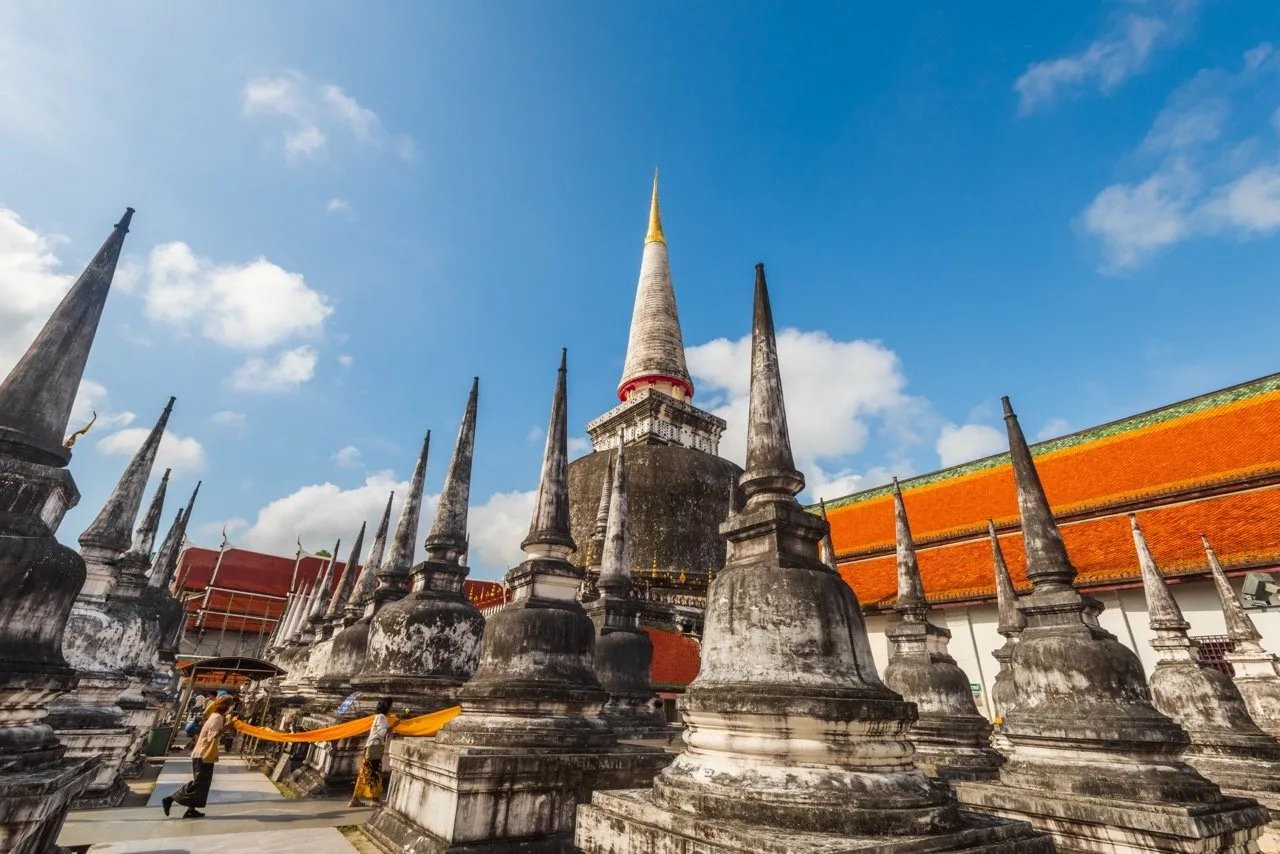
One of the strongest parts of the UNESCO argument is that Wat Phra Mahathat reflects the movement of Buddhist ideas across regions.
The main stupa’s bell-shaped form was directly inspired by Sri Lankan Buddhist art, while also developing into a local architectural style. The UNESCO text describes Phra Borommathat Chedi as an example of how Sri Lankan Theravada Buddhist traditions were adapted in Southern Thailand.
The site is also presented as part of a wider Buddhist network. According to the UNESCO submission, Nakhon Si Thammarat later influenced the strength of Theravada Buddhist belief and practice in the Sukhothai Kingdom, including architectural traditions connected to stupa building.
That helps explain why the Thai government is backing this temple in particular. Its importance is not limited to one province. The nomination frames Wat Phra Mahathat as a site that helped transmit religious, artistic, and architectural ideas across parts of Thailand and Southeast Asia.
Why UNESCO is looking at it
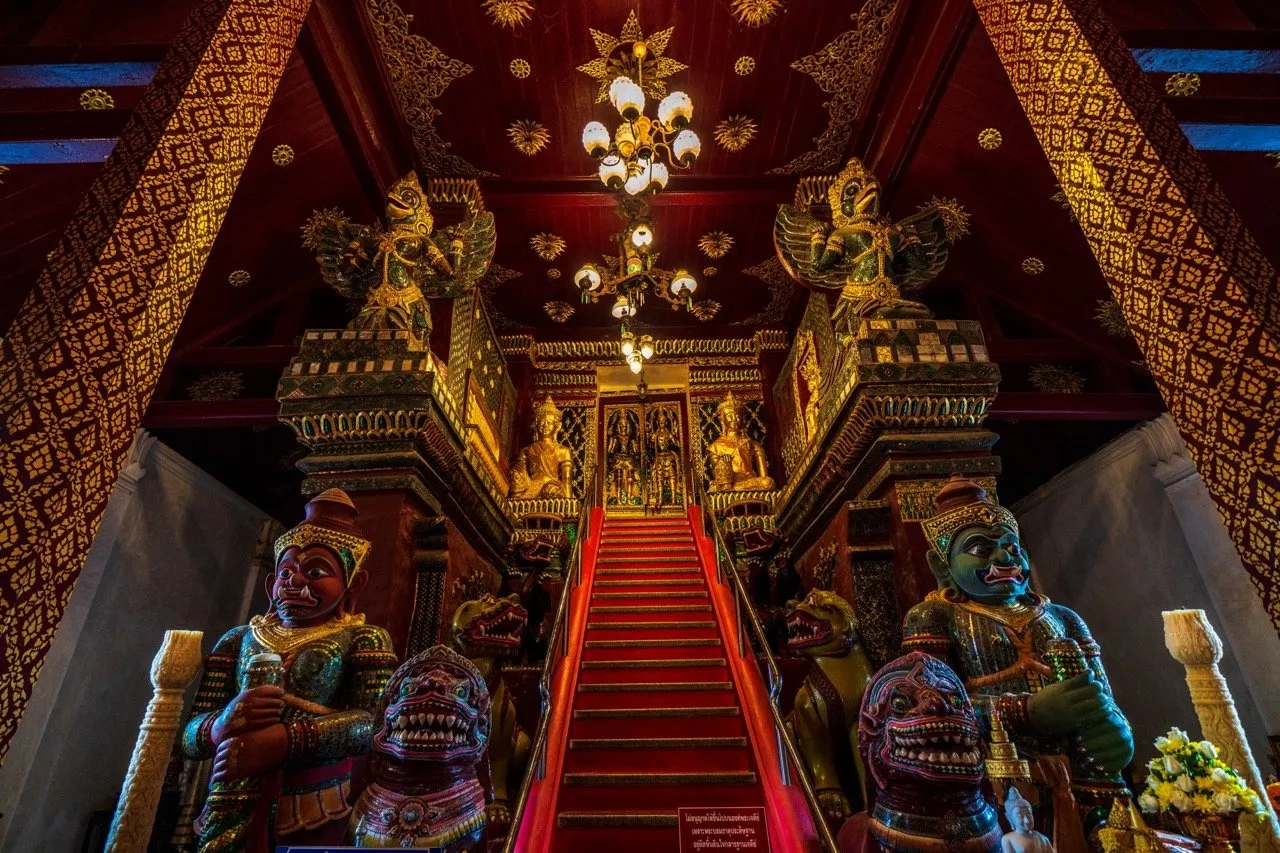
World Heritage status is not given simply because a place is popular or sacred. UNESCO considers whether a site can demonstrate Outstanding Universal Value, meaning its importance extends beyond national significance.
Thailand’s nomination argues that Wat Phra Mahathat meets several cultural criteria.
The first is its architectural and symbolic design. The layout of the temple, the main stupa, and the surrounding religious buildings are described as expressions of Buddhist belief and philosophy.
The second is cultural exchange. The principal stupa reflects Sri Lankan influence, but its form also became distinct in Thailand. The nomination presents this as evidence of how Buddhist artistic traditions moved, adapted, and developed across regions.
The third is the temple’s direct association with the spread of Buddhism. Phra Borommathat Chedi is described in the UNESCO text as one of Thailand’s oldest bell-shaped stupas associated with Buddha relic worship, and the temple continues to be a major center of Buddhist devotion.
There are also questions of authenticity and integrity. According to the UNESCO submission, the temple has retained its historic planning, architectural form, setting, and religious function, even after multiple restorations across several centuries. The text also notes that the temple is protected under Thailand’s laws on ancient monuments and maintained by the Fine Arts Department, under the Ministry of Culture.
A living temple
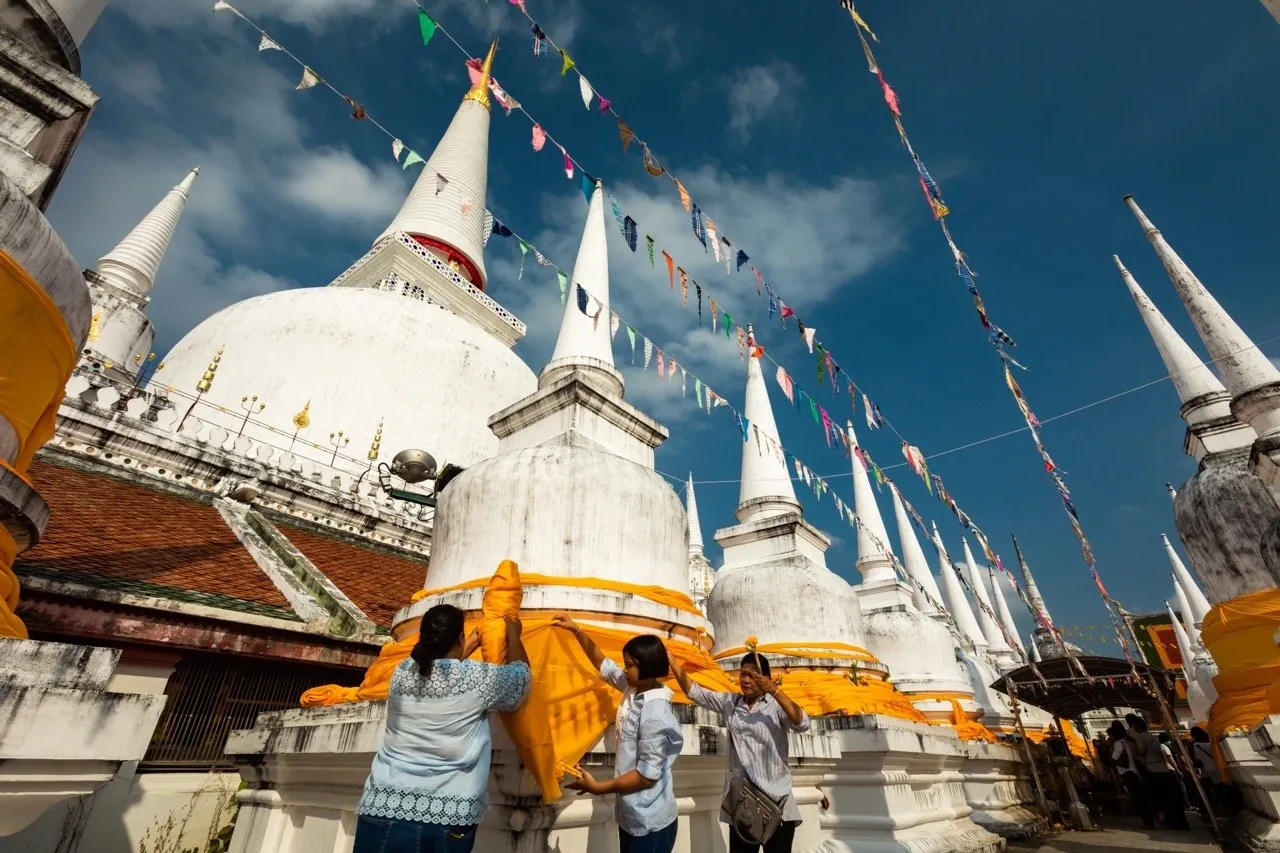
Another reason Wat Phra Mahathat stands out is that it is still actively used.
The temple continues to function as a religious site, with worship, merit-making, and annual ceremonies that keep its traditions alive. The most important of these is Hae Pha Khuen That (แห่ผ้าขึ้นธาตุ). This festival involves a procession where devotees carry a long painted cloth to wrap around the stupa.
According to the UNESCO submission, this ceremony takes place during major Buddhist holidays such as Makha Bucha and Visakha Bucha, drawing worshippers from local areas, other parts of Thailand, and beyond.
It is a place where religious practice, community participation, and cultural memory continue in the present.
That may be the clearest answer to why Wat Phra Mahathat is being considered. It is historically important, architecturally distinctive, and deeply tied to the spread of Theravada Buddhism. But it is also still alive as a place of worship.
For UNESCO, that combination is especially significant. Wat Phra Mahathat is evidence of Thailand’s Buddhist past, and also remains part of how people practice, remember, and sustain that heritage today.

 Paul Rujopakarn