“Nong Mee Noey,” better known to international fans as Butterbear, has officially landed at Fuji-Q Highland in Yamanashi Prefecture, marking her first-ever collaboration in the the Land of the Rising Sun and turning one of the country’s most famous thrill parks into a playground of pastel charm.
When Butterbear first leapt from the bakery counter to the global stage, few could have predicted the influence this fuzzy little animated ursine would have on tourism, both in Thailand and eventually beyond. What started as an adorable dessert mascot has gone on to become a driving force in travel campaigns, brand collaborations, and of course now international theme park excursions.
Rise of a soft-power star

Butterbear began life as the mascot of a Butterbear cookie and bakery brand in Bangkok, charming customers with her fluffy silhouette and cheerful social media dances. Her visual appeal and playful personality helped her break out from local fame into a much wider audience, especially online, where fans shared her clips across TikTok, Instagram and other platforms.
The character’s popularity eventually caught the attention of the Tourism Authority of Thailand (TAT), which has plugged Butterbear into tourism-promotion campaigns aimed at both domestic and international travelers. In 2024, the TAT rolled out a campaign called “Instant Happiness with Butterbear,” encouraging fans to travel, eat, and explore Thai destinations alongside their beloved mascot, sometimes even joined by celebrity partners.
The TAT’s mascot-linked initiatives went beyond cute branding, tapping into fans’ emotional connection with the character and converting that into real-world travel. One campaign aimed to generate millions in travel spending by inviting fans to follow Butterbear’s journey to iconic spots across Bangkok and nearby provinces.
Cuteness as a travel magnet
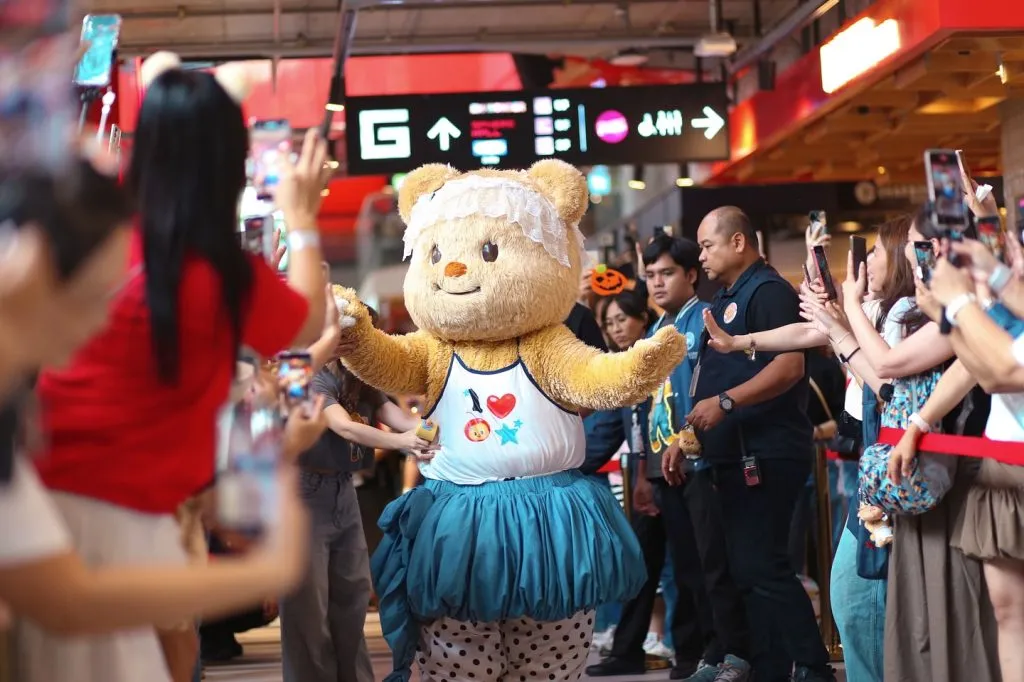
Butterbear’s success has been part of a wider trend showing how mascots can shape travel behavior, with adorable figures potentially becoming major tourism boosters.
Global sensation Moo Deng, the baby pygmy hippo at Khao Kheow Open Zoo in Chonburi, went ultra viral on social media, causing surging visitor numbers at the zoo and prompting the zoo to trademark the character and even offer limited viewing windows to meet demand.
Such cases, which also include Eva the Tiger of Chiang Mai Night Safari fame, highlight the power of personality in generating travel curiosity and foot traffic. Butterbear’s rise follows a similar trajectory, turning her from a cafe figure into a cultural ambassador, effectively embodying Thailand’s modern creative flair while making tourism feel approachable and joyful.
From Bangkok to Mount Fuji
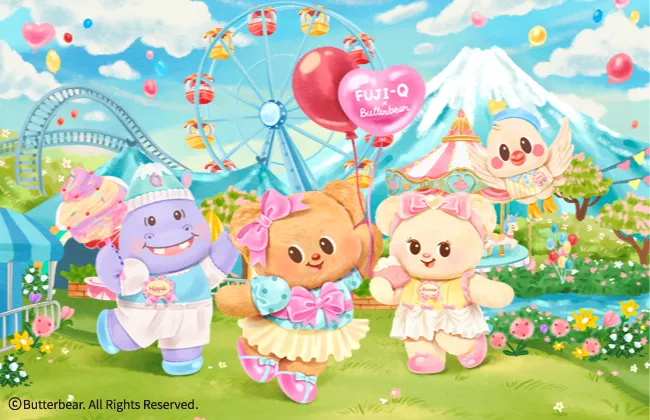
The latest chapter in Butterbear’s journey is her first major event outside Thailand. Running from January 10th through July 10th, the six-month event is intended as a full-park experience rather than a single attraction, inviting visitors to step into what organizers describe as a “Sweet & Cute” fantasy world that blends Butterbear’s signature softness with Fuji-Q’s dramatic, mountain-backed setting.
This move underscores how mascot culture can cross borders and cultures, turning digital affection into tangible, wholesome memories for eager tourists. With Butterbear now helping draw visitors to Japan’s iconic attractions just as past TAT campaigns encourage travel within Thailand, the humble dessert bear has become a mascot of a new kind, able to move hearts and feet across borders and seas.