Thailand is preparing to welcome thousands of the world’s top financial policymakers, investors, and economists as Bangkok gears up to host the 2026 Annual Meetings of the International Monetary Fund (IMF) and World Bank Group (WBG), an event that Thai officials are likening to the “Olympics” of finance and fiscal policy.
Set for October 12th to 18th at Queen Sirikit National Convention Center, the meetings are expected to draw more than 15,000 participants from nearly 190 countries, including finance ministers, central bank governors, global investors and executives from major financial institutions.
Thailand will become only the third nation, after Turkey and Japan, to host the IMF-World Bank meetings twice, having first staged the gathering in 1991. Thai leaders say the return reflects enduring international confidence in the Kingdom’s economic role and institutional stability.
Prime Minister Anutin Charnvirakul has described the conference as a major opportunity to place Thailand squarely in the international spotlight while demonstrating the nation’s readiness to serve as a regional hub for diplomacy, finance, and investment.
Banking on investment and confidence
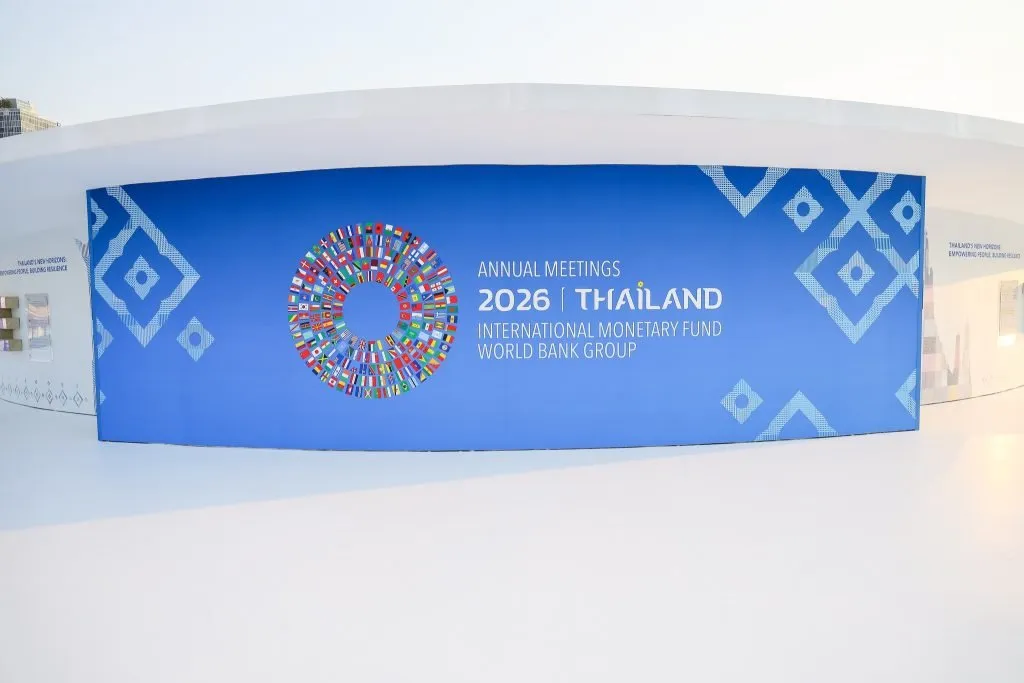
Thai officials are openly framing the summit as an economic opportunity as much as a diplomatic one.
“The World Bank meeting means that the people holding the world’s money are coming to our home,” Anutin said during a recent preparatory meeting, emphasizing hopes that the conference could help attract new investment and deepen Thailand’s links to global capital markets.
Government agencies expect the influx of delegates and side events, with around 1,000 additional meetings planned alongside the main summit, to boost hotels, restaurants, transport operators, and local businesses across Bangkok and beyond.
Officials also see the event as a chance to showcase Thailand’s infrastructure and professional capabilities at a time when Southeast Asia is competing aggressively for international investment flows amid shifting geopolitical and supply-chain dynamics.
Bangkok Governor Chadchart Sittipunt has highlighted the capital’s transport systems, healthcare infrastructure, and convention facilities as key strengths, while Thai authorities are stressing security coordination and public health preparedness ahead of the summit.
A soft power showcase of Thai identity
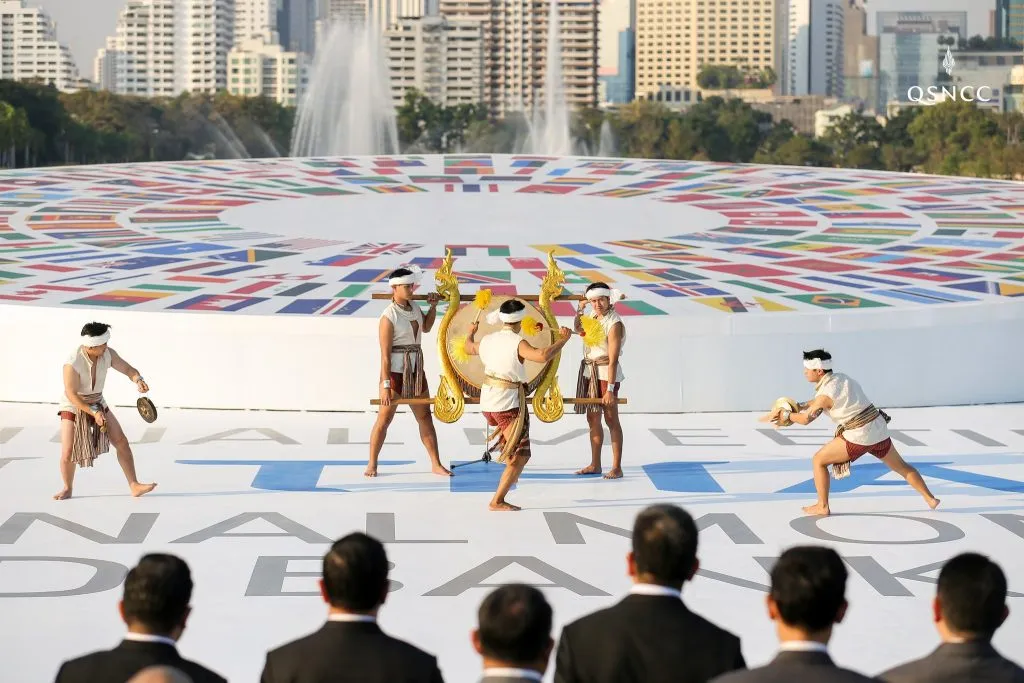
Alongside financial diplomacy, Thailand is also planning a carefully curated cultural presentation.
Traditional Thai textiles, hospitality, and wellness tourism will feature prominently throughout the meetings as officials seek to blend economic messaging with softer forms of national branding. Authorities have repeatedly urged the public to view themselves as “co-hosts” of the event.
The summit’s host theme, “Thailand’s New Horizons: Empowering People, Building Resilience,” reflects Bangkok’s attempt to position itself as a country balancing modernization with inclusive development.
The agenda will emphasize digital transformation, artificial intelligence, climate adaptation, and demographic change, while drawing on Thailand’s long-promoted Sufficiency Economy Philosophy associated with His Majesty King Bhumibol Adulyadej the Great, whose centenary will be commemorated next year.
Digital finance and green ambitions

Additionally, Thailand is using the summit to push a broader policy message around digital finance and sustainability.
The Bank of Thailand (BOT) plans to promote a framework centered on “Safe and Inclusive Digital Finance,” focusing on cybersecurity, fraud prevention, and broader financial access as digital banking systems expand across Asia.
Organizers have meanwhile pledged to incorporate “Green Meeting” standards into the conference, including reusable modular exhibition materials and sustainability-focused event management practices.
Thirty-five years after Bangkok first welcomed the IMF and World Bank, Thailand is once again preparing to turn a financial summit into a statement about where the nation believes it stands, as well as where it hopes to go next.