

Thailand has moved swiftly to safeguard its nationals abroad and mitigate potential economic impacts, as the United States and Israel coordinate military operations against Iran and Tehran retaliates with ongoing strikes across the region.
Prime Minister Anutin Charnvirakul on Monday chaired the first National Security Council (NSC) meeting of the year, placing the escalating Middle East crisis at the top of the national agenda. Thailand, he reiterated, is not a party to the conflict and continues to call for a peaceful resolution in line with international law.
Evacuations on standby to ensure safety
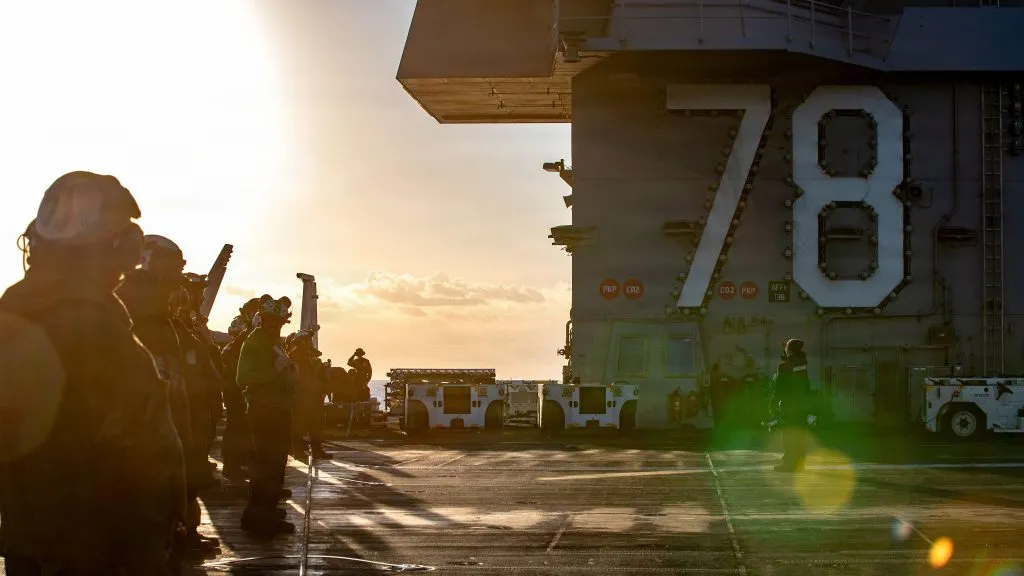
With approximately 110,000 Thai nationals residing across the Middle East, including around 65,000 in Israel and roughly 200 in Iran, Bangkok’s immediate priority is citizen safety.
Thailand’s Ministry of Foreign Affairs has activated a dedicated Middle East Situation Center, commonly referred to as the War Room, operating around the clock to assess risks and coordinate assistance. A 24-hour Consular Affairs hotline has also been established to support Thai nationals in need.
In Iran, about 20 Thais have expressed their intention to return home as of this report. Authorities are preparing to facilitate overland travel to the Turkish border if required, with the Royal Thai Air Force placed on standby for repatriation missions.
In Israel, officials report that the situation remains under control, with no injuries among Thai nationals. The Israeli government has reportedly reaffirmed its commitment to the safety of Thai workers.
Elsewhere in the Gulf, more than 1,000 Thais in the United Arab Emirates have registered to return. The Foreign Ministry is coordinating potential flights via Oman, where commercial routes remain operational.
Thai nationals in Bahrain, Qatar and Kuwait are expected to be assisted through the nearest functioning airports should conditions deteriorate.
Evacuation planning follows a structured three-step approach:
- Verifying the number and location of nationals.
- Arranging charter or commercial flights from safe staging points.
- Deploying RTAF aircraft if necessary.
Thai airports remain open amid disruptions
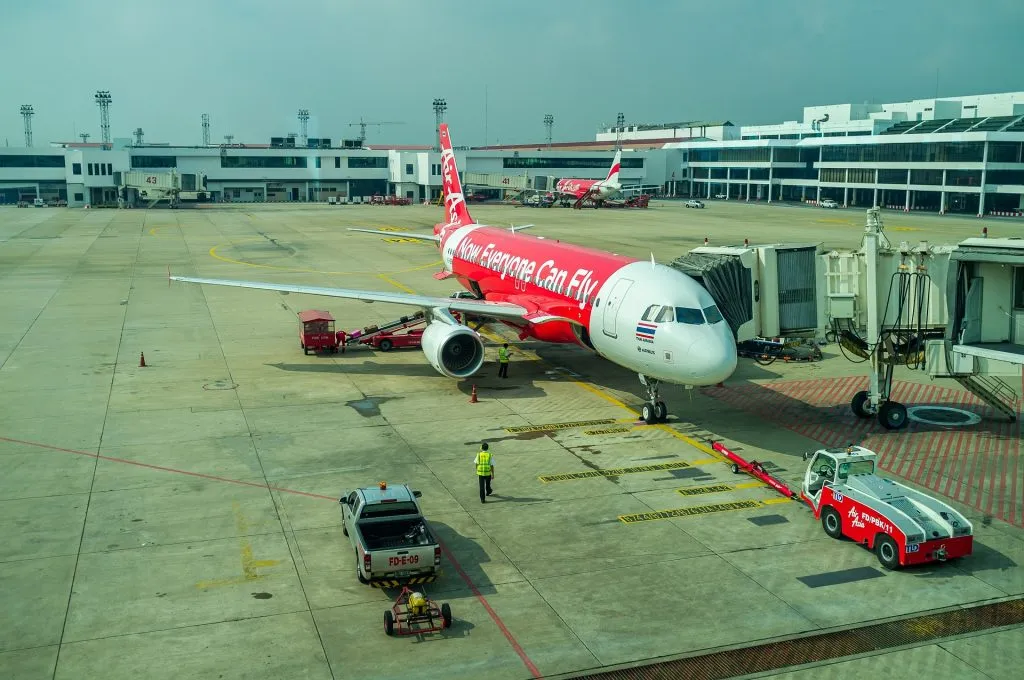
While regional airspace volatility has prompted flight cancellations, Thailand’s six major airports continue to operate normally, including Suvarnabhumi Airport and Don Mueang International Airport, with passenger assistance measures in place.
Airports of Thailand (AOT) reported that 134 flights were affected from February 28th to March 1st, as several international carriers adjusted routes for safety. Authorities also note that no outbound passengers have been left stranded.
Travelers heading to the Middle East are advised to check directly with airlines for updated schedules.
Energy security and economic shielding

Beyond the humanitarian dimension, Thai authorities are closely monitoring the economic implications, particularly for energy supplies and cost-of-living pressures.
The Ministry of Energy has confirmed that Thailand holds 7.8 billion liters of oil in reserve and in transit combined — sufficient for 61 days of domestic demand. Contingency plans are in place to source alternative supplies should disruptions affect the Strait of Hormuz, which the U.S. Energy Information Administration regards as a “critical oil chokepoint.”
Thailand’s Ministry of Commerce and Ministry of Finance are also assessing potential impacts on exports and fuel prices, while domestic security agencies are monitoring key infrastructure and tracking misinformation online.
As the situation continues to develop, the Thai government is emphasizing calm and coordination, with Prime Minister Anutin affirming that safety remains the government’s top priority. He further pledged that the government would act proactively to ensure that any evacuation is orderly, swift, and secure, while also continuing to advocate dialogue over escalation on the global stage.
For further updates, readers are encouraged to follow official announcements via the Ministry of Foreign Affairs website.

 Paul Rujopakarn