

At the 46th ASEAN Summit in the Malaysian capital of Kuala Lumpur, Thailand reaffirmed its role as a constructive voice for deeper regional integration, long-term resilience, and sustainable development. The Kingdom’s participation went beyond national priorities, as it seeks to support ASEAN’s collective evolution amid global uncertainty.
A green and digital agenda for collective growth
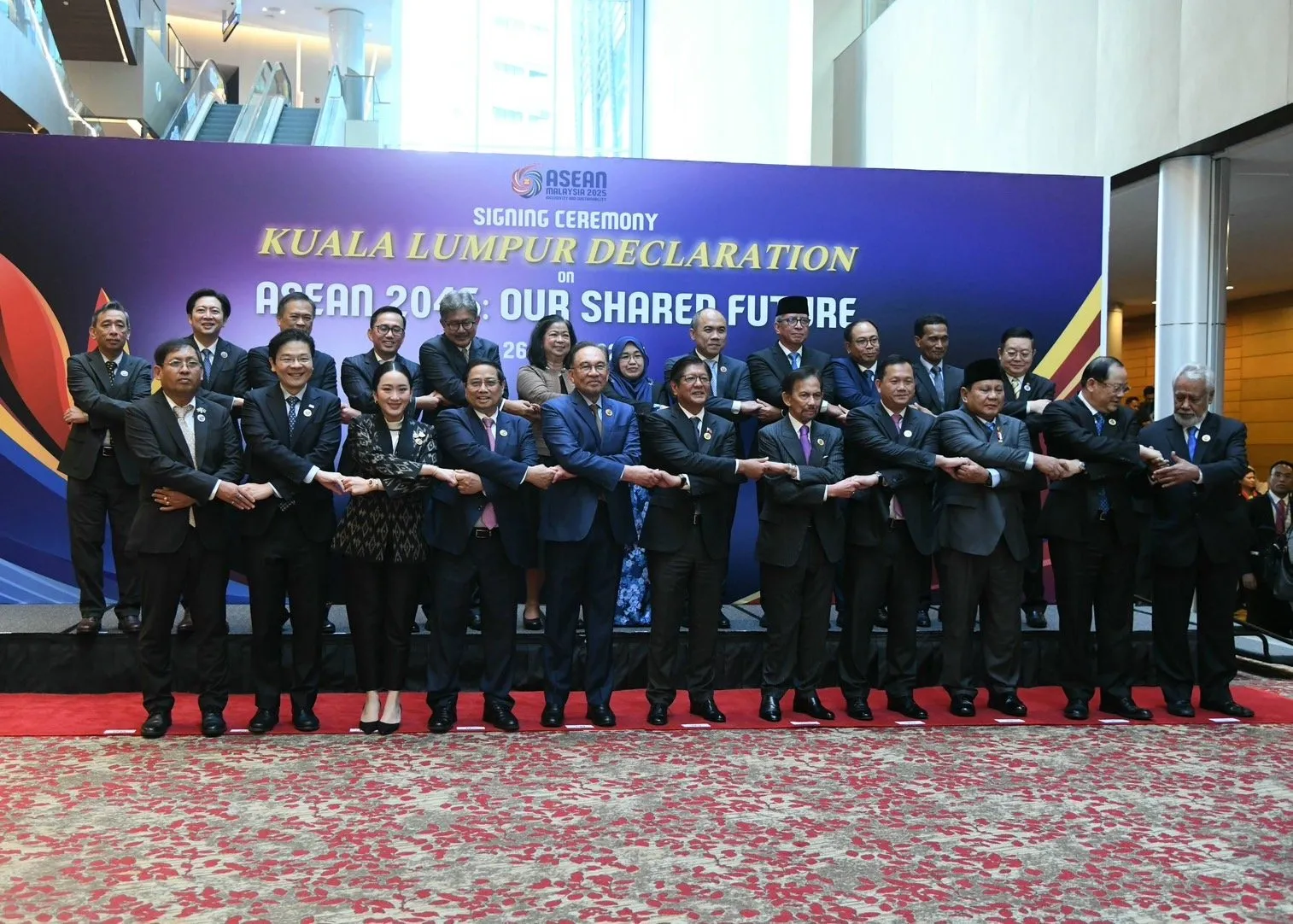
During the summit, held from May 26th to 27th, 2025, Prime Minister Paetongtarn Shinawatra joined regional leaders in signing the Kuala Lumpur Declaration on ASEAN 2045, reaffirming the bloc’s commitment to a people-centered, forward-looking community. For Thailand, the declaration echoed its own policy priorities — from climate action and digital transformation to regional infrastructure and labor development.
“As Thailand serves as ASEAN’s coordinator for sustainable development and drives the Green ASEAN initiative toward greater sustainability, the country will take a leading role in guiding ASEAN toward its goals,” the premier said. She also reaffirmed Thailand’s intention to sign the Digital Economy Framework Agreement by the end of 2025, a move widely viewed as essential for unlocking the region’s next phase of growth.
Beyond broad commitments, the Thai prime minister emphasized the need to deepen intra-ASEAN trade, fully utilize existing free trade agreements (FTAs), and expand support for small and medium-sized enterprises (SMEs). These goals, while aligned with national development plans, were framed as part of a shared regional strategy, grounded in firm principles, to adapt to a world increasingly shaped by technological disruption and shifting trade flows.
Practical engagement in times of crisis
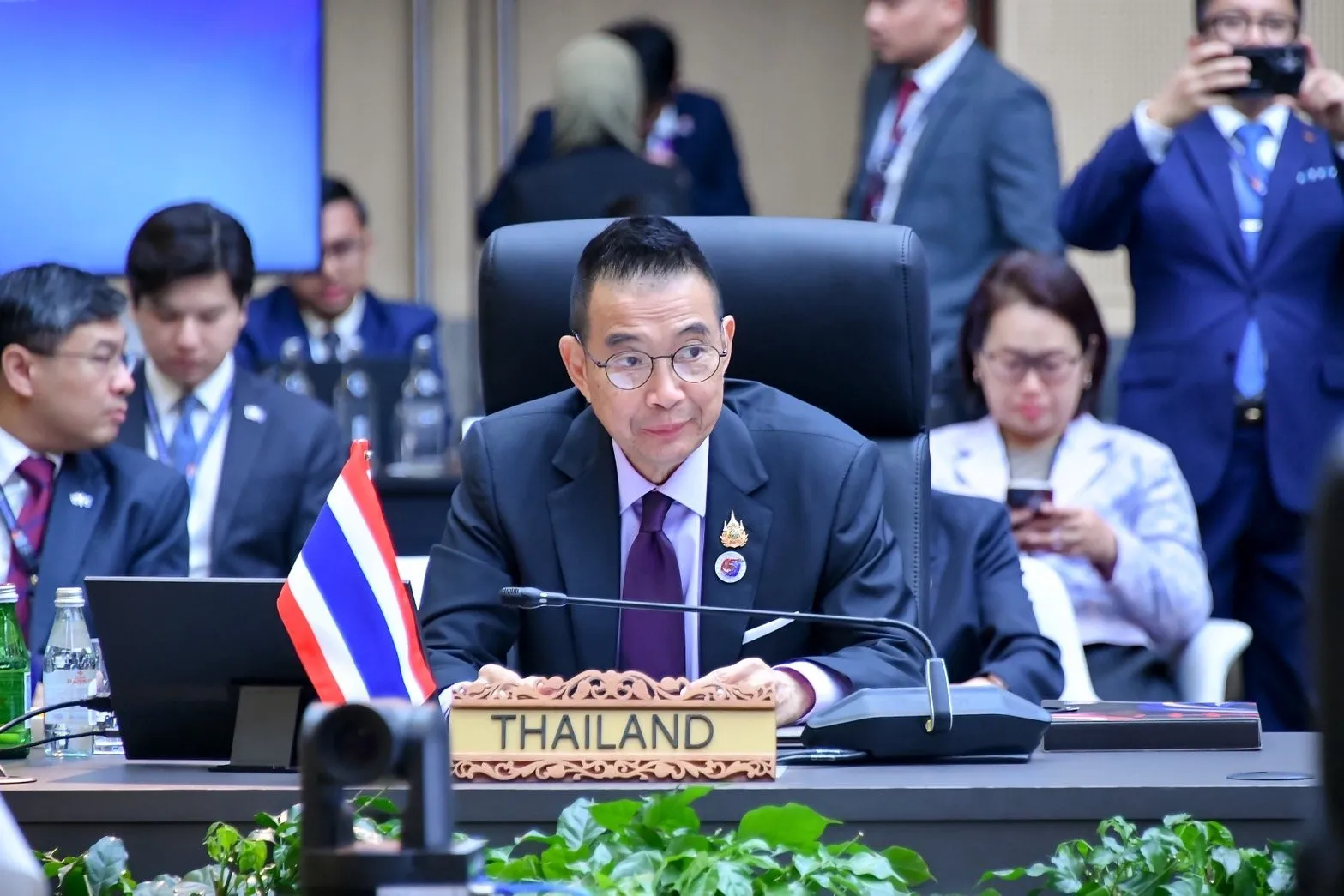
Thailand’s engagement with regional partners on the Myanmar situation, meanwhile, reflected ASEAN’s delicate balance between principle and pragmatism. To that end, Foreign Minister Maris Sangiampongsa outlined Thailand’s sustained efforts to promote dialogue, including cross-border humanitarian coordination and the facilitation of regional talks.
Thailand’s efforts are part of ASEAN’s broader consensus that resolving the crisis requires inclusive dialogue and mutual trust. The summit’s joint statement called for the expansion of ceasefires and renewed efforts to bring all stakeholders into conversation — a step supported by Thailand’s earlier humanitarian response to the March 28th earthquake.
By focusing on incremental trust-building rather than dramatic interventions, the Kingdom’s approach has complemented regional efforts to maintain unity and relevance amid one of the bloc’s most complex internal challenges.
Strengthening ASEAN through strategic partnerships
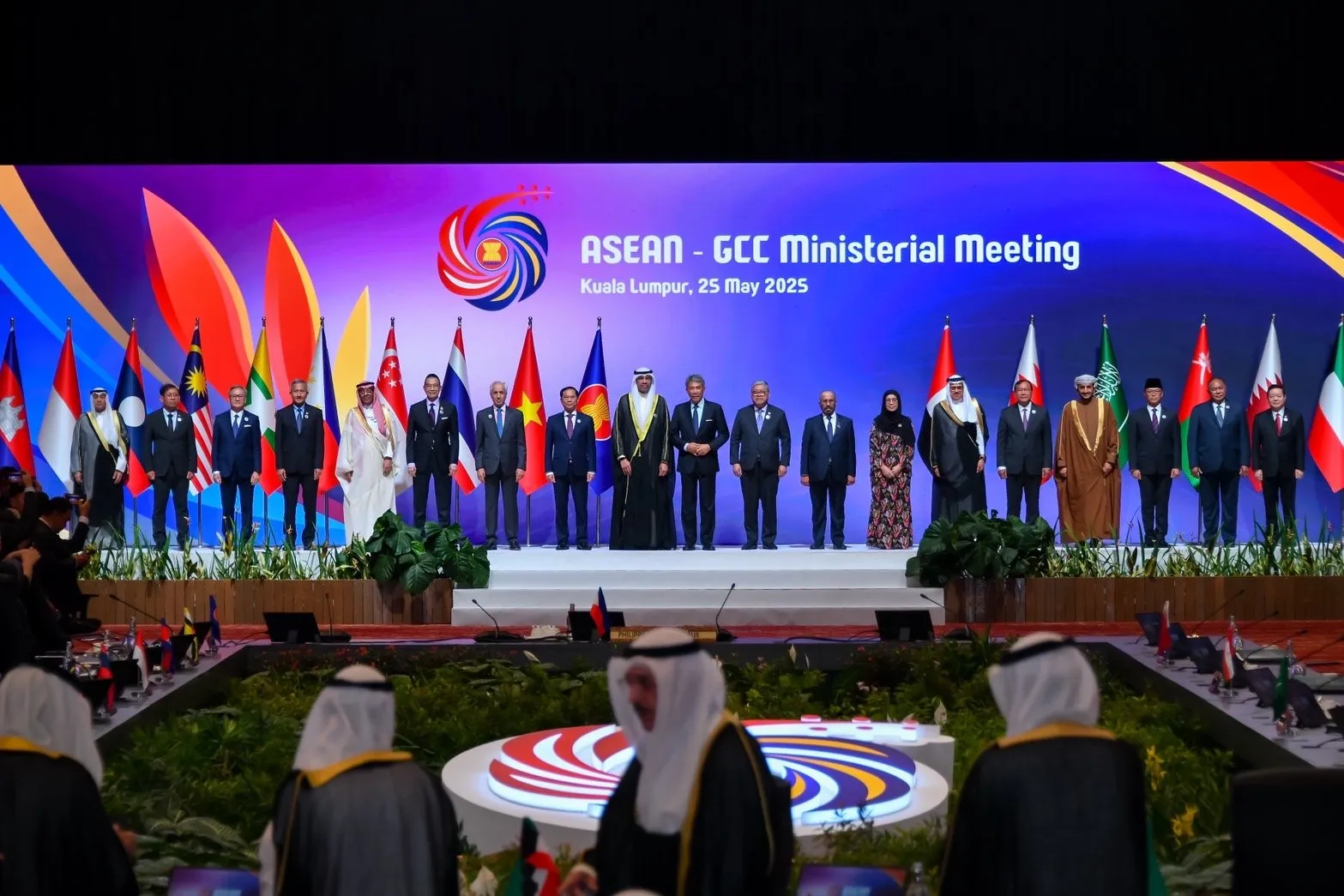
Although the ASEAN Summit spotlighted the potential impact of trade uncertainty on Southeast Asian economies, it also marked a new chapter in ASEAN’s external engagement. Thailand, along with other ASEAN members, expressed support for stronger multilateral ties, viewing diversification as a way to enhance economic resilience without abandoning neutrality.
The inaugural ASEAN-GCC-China Summit brought together key players from the Global South, signaling a collective interest in expanding cooperation on trade, finance, energy, and connectivity. In meetings with Chinese and Gulf leaders, participants emphasized the importance of inter-regional integration, including freer movement of capital, more efficient supply chains, and green technology collaboration.
For Thailand, this expanding web of partnerships offers both opportunities and greater responsibility. The Kingdom’s steady participation reflects a belief in ASEAN centrality — not as a slogan, but as a living principle that requires coordination, compromise, and shared ambition.
Welcoming Timor-Leste into ASEAN

Alongside broader strategic dialogues, Thailand also took part in the important development of supporting Timor-Leste’s next step toward full ASEAN integration.
As the Depositary State of the Southeast Asia Nuclear-Weapon-Free Zone (SEANWFZ) Treaty, Thailand received the draft Addendum supporting Timor-Leste’s accession to the Treaty. Foreign Minister Maris confirmed that the kingdom will take the final steps needed to facilitate Timor-Leste’s deposit of its Instrument of Accession. This milestone further reinforces a shared vision of inclusivity and unity.

As the region implements its new five-year strategic plan and eyes the longer horizon of ASEAN 2045, Thailand’s presence at the summit underscores a commitment to not only lead but to work alongside other member states in helping to translate shared goals into steady progress in an increasingly complex global landscape.

 Teerin Julsawad