

Thailand has transferred six Eastern Sarus cranes to Vietnam as part of a joint conservation and breeding program aimed at restoring one of Southeast Asia’s most vulnerable wetland bird populations.
The cranes were bred at the Sarus Crane Breeding and Expansion Center at Nakhon Ratchasima Zoo before being prepared for transport to Vietnam. According to Thai reporting, veterinarians and wildlife specialists examined the birds before the journey and confirmed that all six were healthy and free from disease.
This was the second group of cranes sent under the cooperation program between Thailand and Vietnam. The birds are around eight to nine months old and include two males and four females. Officials also adjusted the delivery process so the birds could be transferred directly from Nakhon Ratchasima Zoo, reducing travel time and stress.
The timing also carries diplomatic meaning. The transfer is part of conservation cooperation between the two countries and marks the 50th anniversary of diplomatic relations between Thailand and Vietnam.
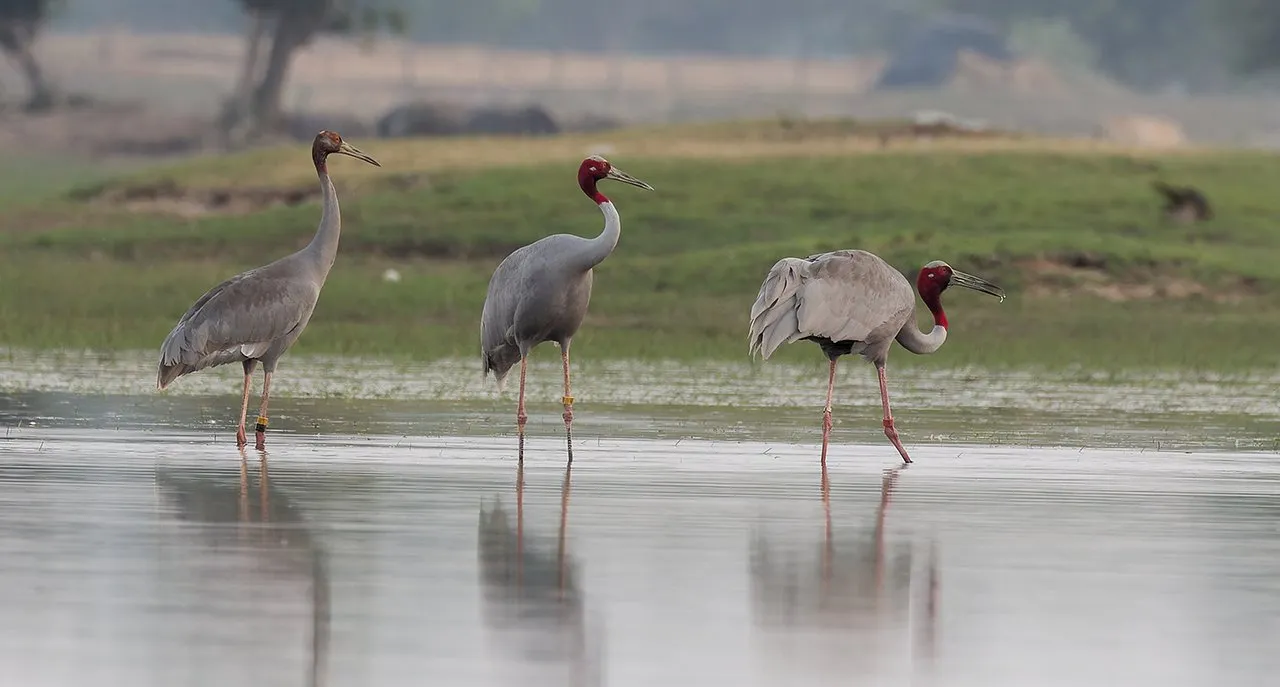
Thai efforts to revive the Eastern Sarus crane
The Eastern Sarus crane has a long conservation story in Thailand.
The bird had disappeared from the wild in Thailand for decades before breeding and reintroduction efforts began bringing it back to wetland habitats. Nakhon Ratchasima Zoo has played a central role in that recovery, breeding cranes for release into suitable natural areas.
In Thailand, one of the most important reintroduction areas has been Buriram, especially around Huai Chorakhe Mak Reservoir and nearby wetlands. These areas have become closely associated with the country’s effort to restore the Sarus crane population after its disappearance from the wild.
The Sarus crane is often described as the world’s tallest flying bird. In Thailand, it is also listed as a reserved wildlife species, reflecting its conservation importance.
Why Vietnam?
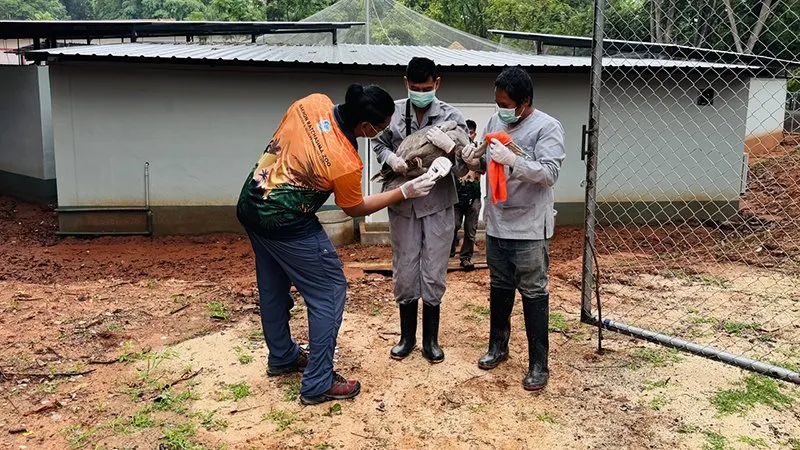
The cranes sent from Thailand will support Vietnam’s effort to restore the species at Tram Chim National Park in Dong Thap province, one of the Mekong Delta’s major wetland areas.
This matters because Sarus crane conservation is not only a national issue. The species depends on wetland ecosystems that extend across borders and regions. Restoring populations in one country can support a wider recovery effort across Southeast Asia.
The International Crane Foundation describes the transfer as part of Vietnam’s Sarus Crane Conservation Program, a long-term collaboration between conservation organizations and government agencies in both countries.
For Thailand, the transfer shows how a domestic breeding and reintroduction program can become part of regional biodiversity work. The country is not only rebuilding its own crane population, but also contributing to conservation efforts in neighboring countries.
Wetlands are part of the story too
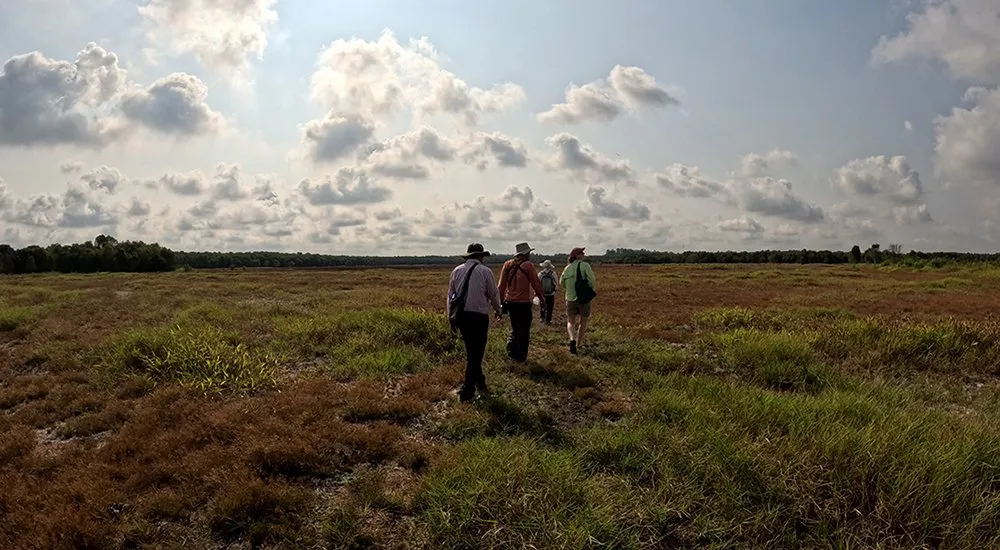
Sarus cranes are closely tied to wetlands, which makes their conservation about more than one bird species.
Healthy wetlands provide feeding and breeding areas for birds, but they also support fish, amphibians, plants, local agriculture, and flood management. Because Sarus cranes depend on these ecosystems, their presence can be a sign that wetland conditions are improving or being maintained.
That is why conservation programs often focus on both the birds and their habitats. Breeding cranes is only one part of the work. The longer-term goal is to make sure they have places where they can survive, breed, and eventually sustain wild populations.
Thailand’s latest transfer to Vietnam is a small number of birds, but it reflects a larger shift. Conservation work is becoming more regional, more coordinated, and more focused on rebuilding ecosystems rather than protecting species in isolation.

 Paul Rujopakarn