As conflict in the Middle East pushes global oil prices higher, Thailand is moving quickly on multiple fronts to shield its economy from potential disruptions.
Commerce Minister Suphajee Suthumpun said the government is closely monitoring global developments and coordinating across ministries through a dedicated operations center. The goal, she said, is to ensure authorities can respond quickly if volatility in global energy markets begins to affect domestic prices or supplies.
Thailand currently holds oil reserves sufficient for more than 90 days, according to Energy Minister Auttapol Rerkpiboon, while additional sources of supply are being explored. Authorities have urged the public not to panic or hoard fuel, warning that sudden surges in demand could create unnecessary transportation bottlenecks at gas stations.
Extended LNG partnership with Japan
A key component of Thailand’s longer-term strategy is strengthening energy cooperation with international partners.
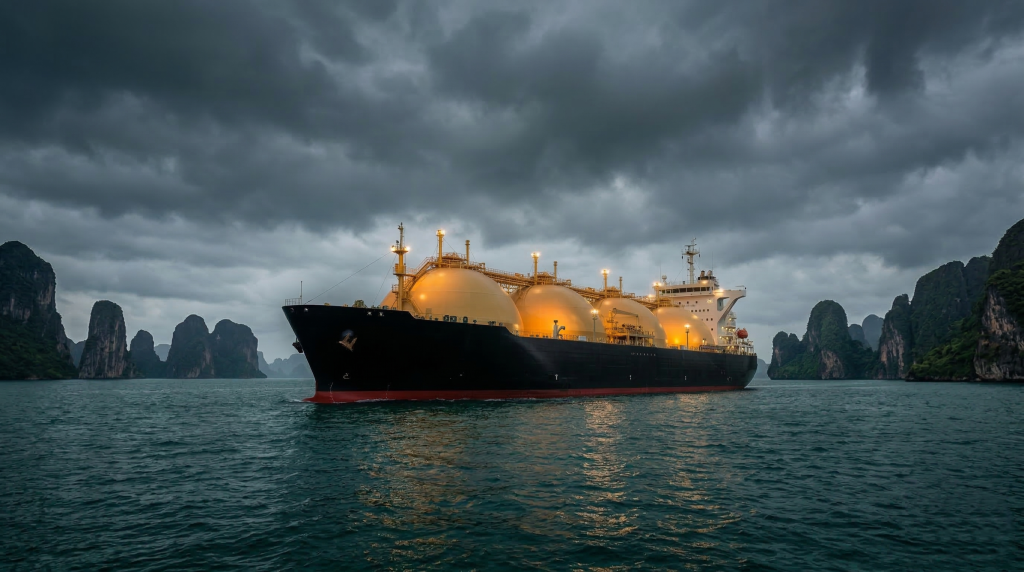
The Cabinet has approved the renewal of a memorandum of cooperation with Japan covering upstream investment in liquefied natural gas (LNG) and LNG storage infrastructure. The agreement, first signed in 2022, will be extended for another three years from November 2025 to November 2028, with automatic renewals every three years unless either side opts out.
The document is expected to be signed during the Indo-Pacific Energy Security Ministerial and Business Forum in Tokyo, taking place from March 14th to 15th.
Deputy Prime Minister’s Office spokesperson Lalida Persvivatana said the partnership will help both countries enhance energy security and deepen economic ties, while allowing Thailand to broaden cooperation with other partners in developing a more resilient energy sector.
Biofuels and price controls to curb demand
Domestically, authorities are adjusting fuel policies to reduce dependence on imported crude oil.
Thailand will increase the biodiesel blend in diesel fuel from 5% to 7%, a step expected to cut fossil diesel consumption by about 2% while supporting the country’s palm oil sector. Officials are also studying ways to expand higher biodiesel blends such as B10 and B20 where vehicle compatibility allows.
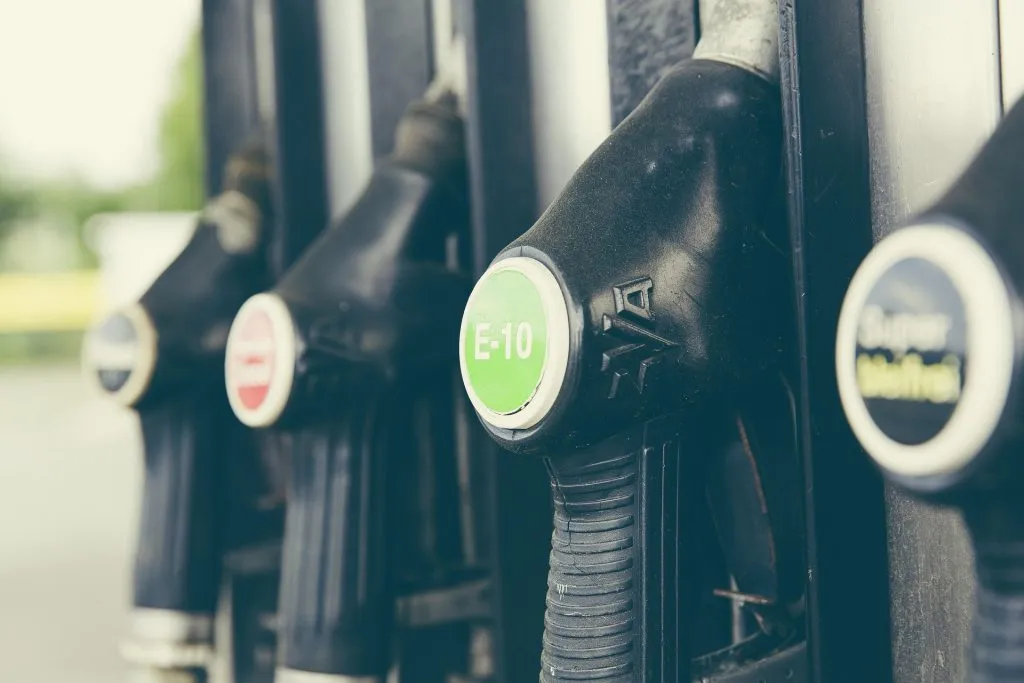
Additionally, ethanol-based fuels are being promoted through pricing incentives. The price gap between E10 and E20 gasohol blends is expected to widen to encourage motorists to choose higher ethanol blends.
The government has meanwhile extended the price freeze for liquefied petroleum gas (LPG) by an additional two months and temporarily capped diesel prices, although officials warn that adjustments may still be needed if global oil prices continue to rise.
Government-led conservation campaign

Alongside supply measures, authorities are also pushing energy conservation across the public sector.
Government agencies have been instructed to implement work-from-home arrangements where possible and reduce electricity consumption in offices. Measures include raising air-conditioning temperatures to at least 26–27°C, minimizing elevator use, switching off unused equipment, and replacing paper processes with digital alternatives.
Deputy Spokesperson for the Prime Minister’s Office Aiyarin Phanrit said the government hopes to reduce electricity consumption by about 5%, saving roughly 31 million units of power each month.
The campaign is designed to signal that the state sector will lead by example as Thailand prepares for a potentially prolonged period of global energy uncertainty.