The United Nations’ long-awaited Biodiversity Beyond National Jurisdiction (BBNJ) Agreement, often referred to as the “High Seas Treaty,” officially entered into force, marking a watershed moment for ocean conservation. The legally binding pact governs the vast stretches of ocean and seabed that lie beyond any single country’s control, an area that makes up more than two-thirds of the world’s oceans and over 90% of Earth’s living space by volume.
Negotiated over 15 years and adopted in 2023, the treaty fills what UN Secretary-General António Guterres once called a “critical governance gap,” creating rules for how humanity uses, as well as protects, the planet’s last great global commons.
From ratification to real-world action
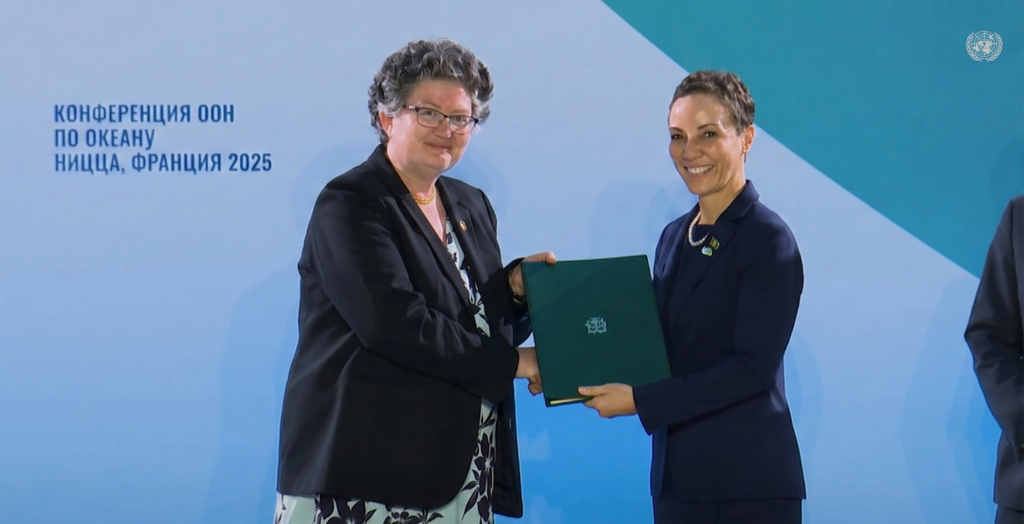
The agreement became active 120 days after the 60th country ratified it in September 2025. More than 80 nations have now done so, including major economies China, Brazil, Japan, France and Germany. The United States has signed but not yet ratified the treaty, while others such as India and the United Kingdom are still working through domestic processes.
Once fully implemented, the BBNJ aims to help meet the global goal of protecting 30% of the marine environment by 2030. It requires environmental impact assessments for activities that could harm marine ecosystems and lays the groundwork for a global network of marine protected areas in international waters, regions that until now have lacked a comprehensive legal framework.
The treaty also tackles the rapidly growing “blue economy,” including the sharing of benefits from marine genetic resources used in industries like biotechnology, and includes commitments to capacity-building and technology transfer for developing nations.
What the treaty can and can’t do
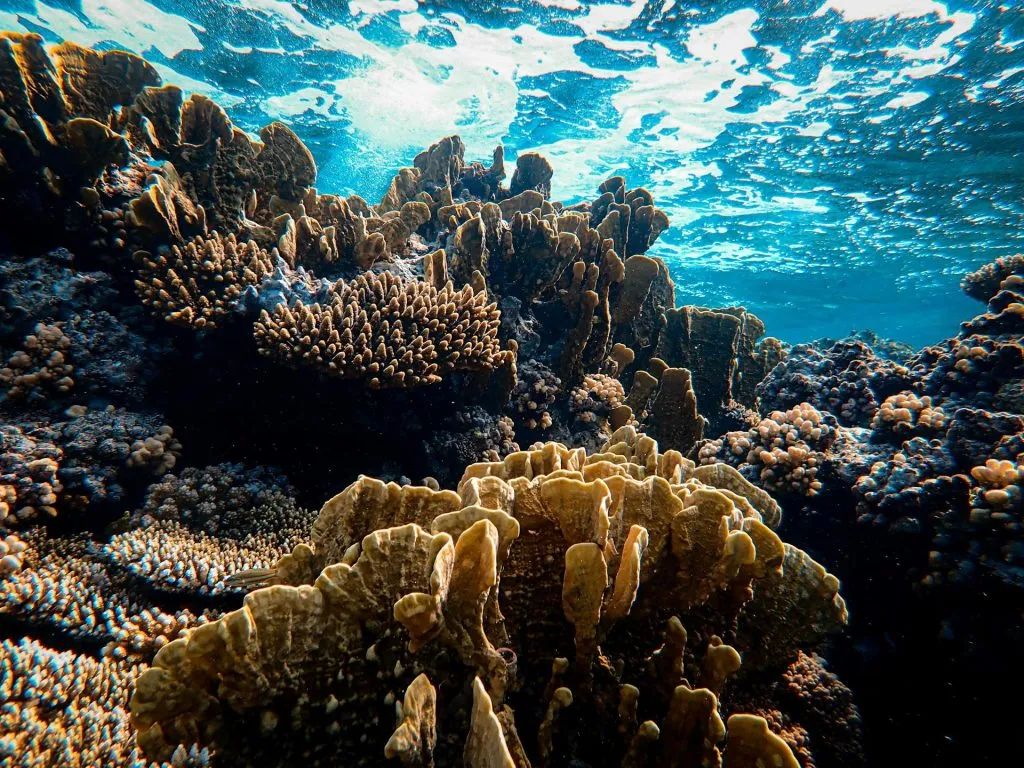
Supporters hail the pact as a major step toward addressing what the UN calls the “triple planetary crisis” of climate change, biodiversity loss, and pollution. Its reach nevertheless has limits, as one of the biggest looming threats, deep-sea mining, remains under the authority of the International Seabed Authority, which is outside the treaty’s scope.
Still, negotiators like Tanzanian diplomat Mzee Ali Haji argue that the agreement changes the global conversation. “Everyone should bear in mind that there is now control of the activity in the high seas,” he said, adding that “when you pollute, you are responsible for your acts,” emphasizing that the high seas are no longer a regulatory free-for-all.
Thailand’s signature and what comes next
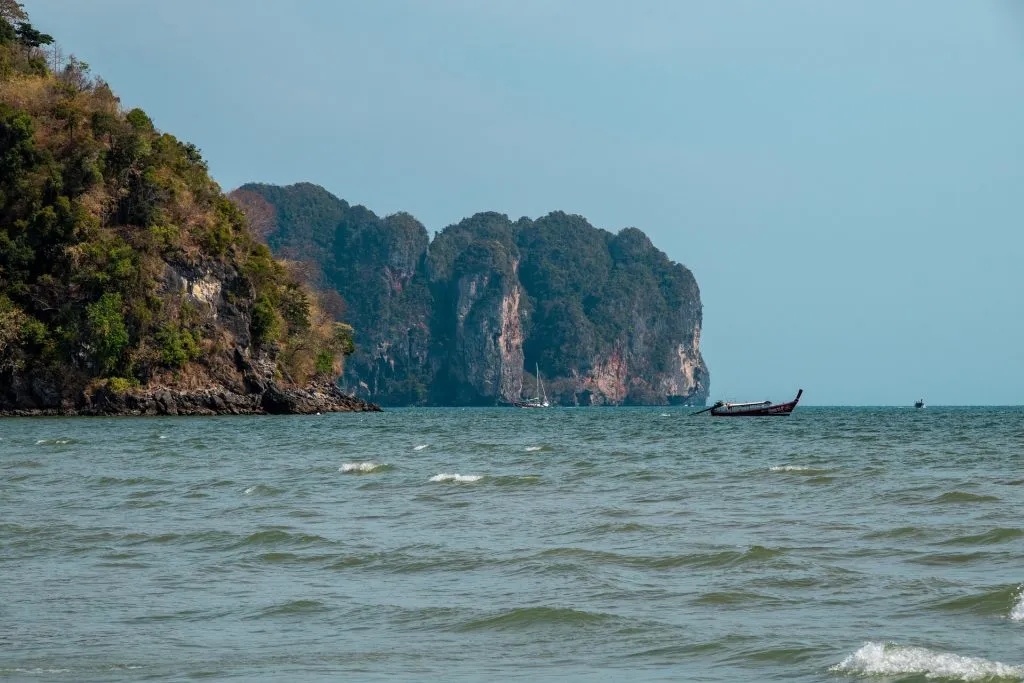
Although Thailand is not yet among the ratifying states, it has signaled its intent to be part of the treaty’s future. In April 2025, Thailand’s Ambassador to the United Nation, Cherdchai Chaivaivid, signed the BBNJ Agreement at the UN in New York, making Thailand the 113th country to do so.
The Thai Ministry of Foreign Affairs described the move as an important step, but also only the beginning of the process. Officials have since been reviewing domestic laws to pave the way for ratification and ensure that the Kingdom can benefit from the treaty’s funding mechanisms and technology-sharing provisions.
Environmental groups say Thailand’s role matters even if its waters don’t touch the high seas. Migratory species that support local fisheries rely on healthy, interconnected ocean ecosystems far beyond national borders. As Greenpeace Thailand noted, protecting the global ocean ultimately helps safeguard coastal communities at home.
The first formal meeting to monitor the treaty’s progress is due within a year, serving as a reminder that after decades of negotiation, the real work still lies ahead.