The prestigious 2024 Prince Mahidol Award was conferred on two distinguished scholars in the fields of medicine and public health in a grand ceremony held at the Chakri Throne Hall of the Grand Palace in Bangkok on January 30. Her Royal Highness Princess Maha Chakri Sirindhorn, representing His Majesty the King of Thailand, presided over the event, which celebrated groundbreaking contributions to global health and medical research.
Jonathan Shepherd: Revolutionizing violence prevention
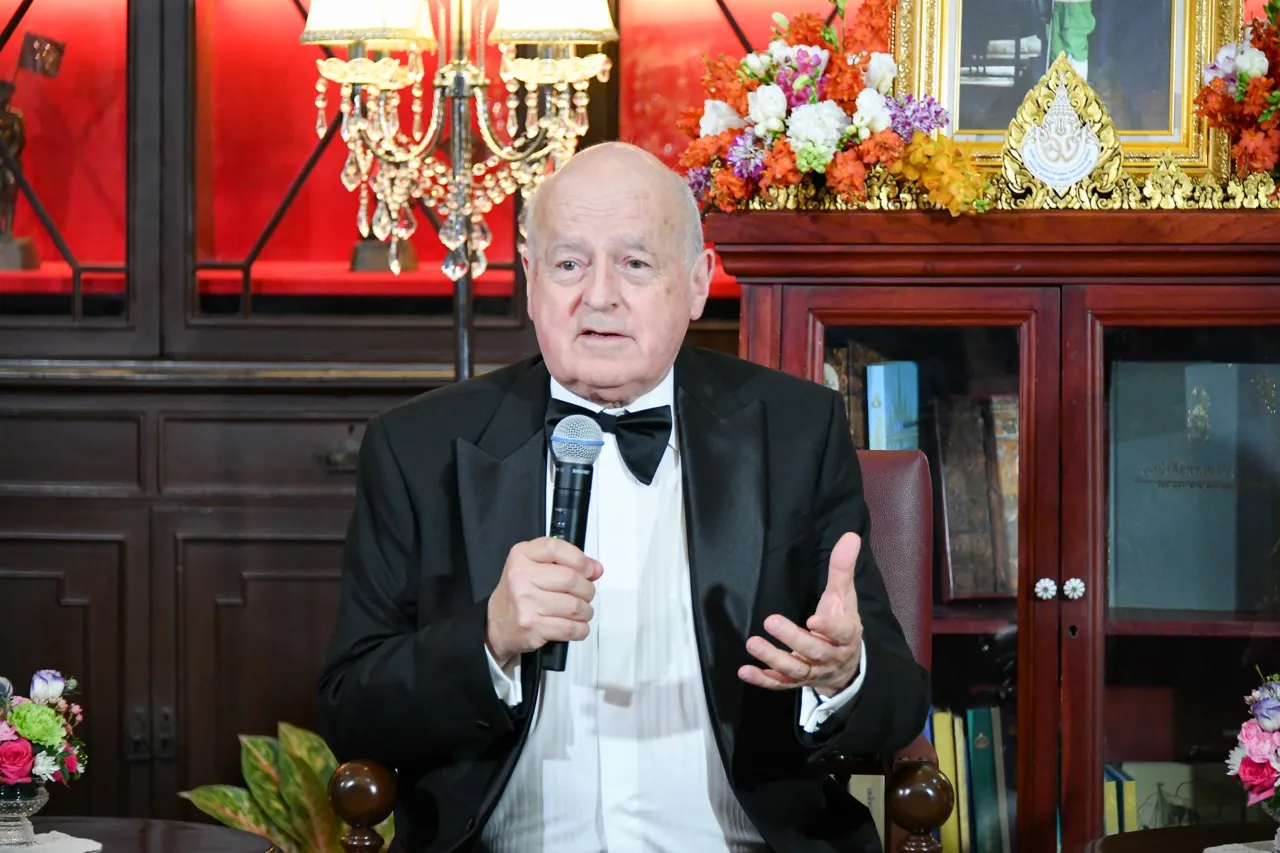
Prof. Dr. Jonathan P. Shepherd, an emeritus professor at Cardiff University, received the award in the field of public health for his pioneering “Cardiff Model of Violence Prevention.”
Developed between 1997 and 2001, the model links hospital emergency room data with law enforcement agencies to identify and mitigate violent crime. Initially implemented in Cardiff and London, the model has since been adopted in multiple countries, including Australia, the Netherlands, South Africa, Canada, and the United States. Studies have demonstrated that its implementation reduces emergency department visits due to violence by 42%, leading to significant cost savings in healthcare.
Recognized by the World Health Organization (WHO) and the U.S. Centers for Disease Control and Prevention (CDC), the Cardiff Model has become a globally accepted tool in violence prevention, improving community safety and public health outcomes worldwide.
The Cardiff Model could also see adoption in Thailand in the near future. Prof. Dr. Shepherd spoke appreciatively of an academic meeting on his model that he attended in Nonthaburi province and was joined by Thai public health policymakers and law enforcement officials.
“It was clear in that meeting that there was a real drive, a real motivation to implement the Cardiff Model for violence prevention in Thailand,” he said.
Tony Hunter: Pioneering breakthroughs in cancer treatment
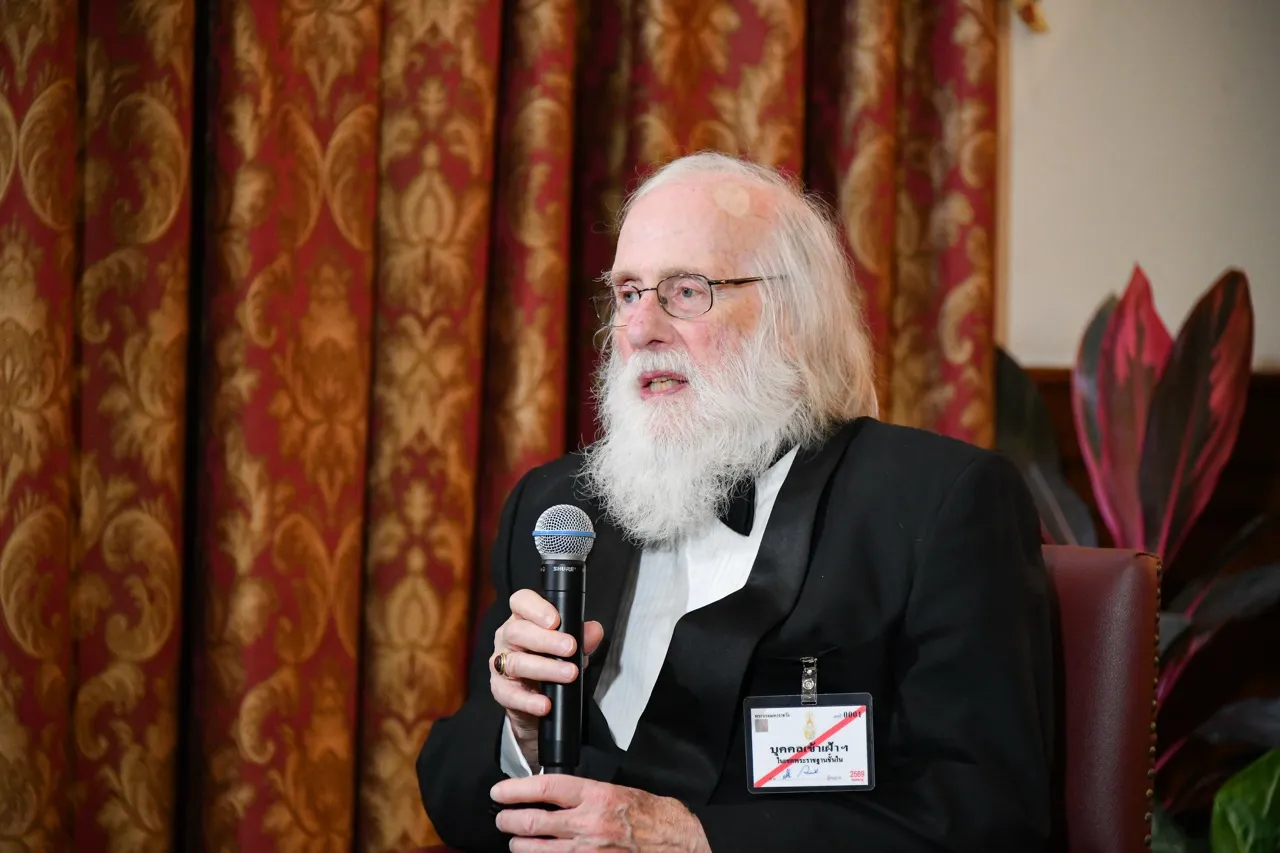
In the field of medicine, Professor Dr. Anthony Rex “Tony” Hunter of the Salk Institute for Biological Studies in California was honored for his seminal discovery of tyrosine kinase enzymes and their role in cancer. His breakthrough in the 1970s identified the phosphorylation of tyrosine as a key mechanism in cell signaling, revealing how abnormal kinase activity could drive cancer development.
This foundational research has led to the creation of targeted cancer therapies, including Imatinib (GleevecTM), which has revolutionized leukemia treatment. Today, there are no fewer than 86 tyrosine kinase inhibitors currently in use, providing life-saving treatments for millions of cancer patients worldwide.
When asked about his approach to cancer research, Prof Dr. Hunter said, “I’ve always been very much a basic scientist trying to understand the mechanisms through which cancer cells are generated and act to grow into tumors — and that’s still what we’re doing after 50 years.”
“Early detection is absolutely essential for effective treatment,” he said, adding, “I think technology is going to make a big difference, and probably artificial intelligence as well.”
Royal ceremony in Bangkok
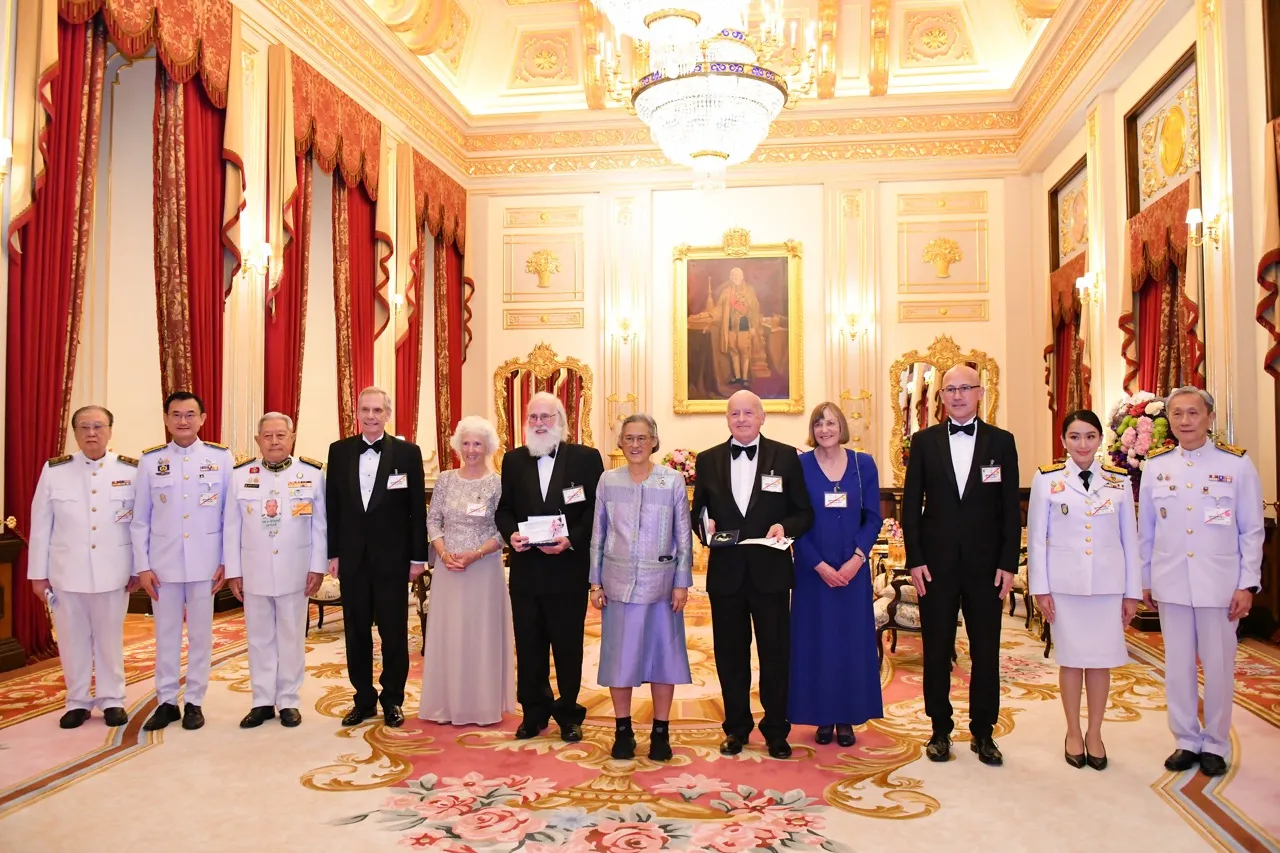
The award ceremony, broadcast live on local television, official social media platforms, and the Prince Mahidol Award website, featured an introduction of the laureates by Professor Apichat Asavamongkolkul, Vice President of the Prince Mahidol Award Foundation.
Following the royal presentation of the awards, the laureates were granted a private audience with Her Royal Highness before participating in a formal photo session in front of the Throne Hall. The evening concluded with an gala dinner in their honor at the Boromarajasathitmaholarn Hall.
Recognizing excellence in global health
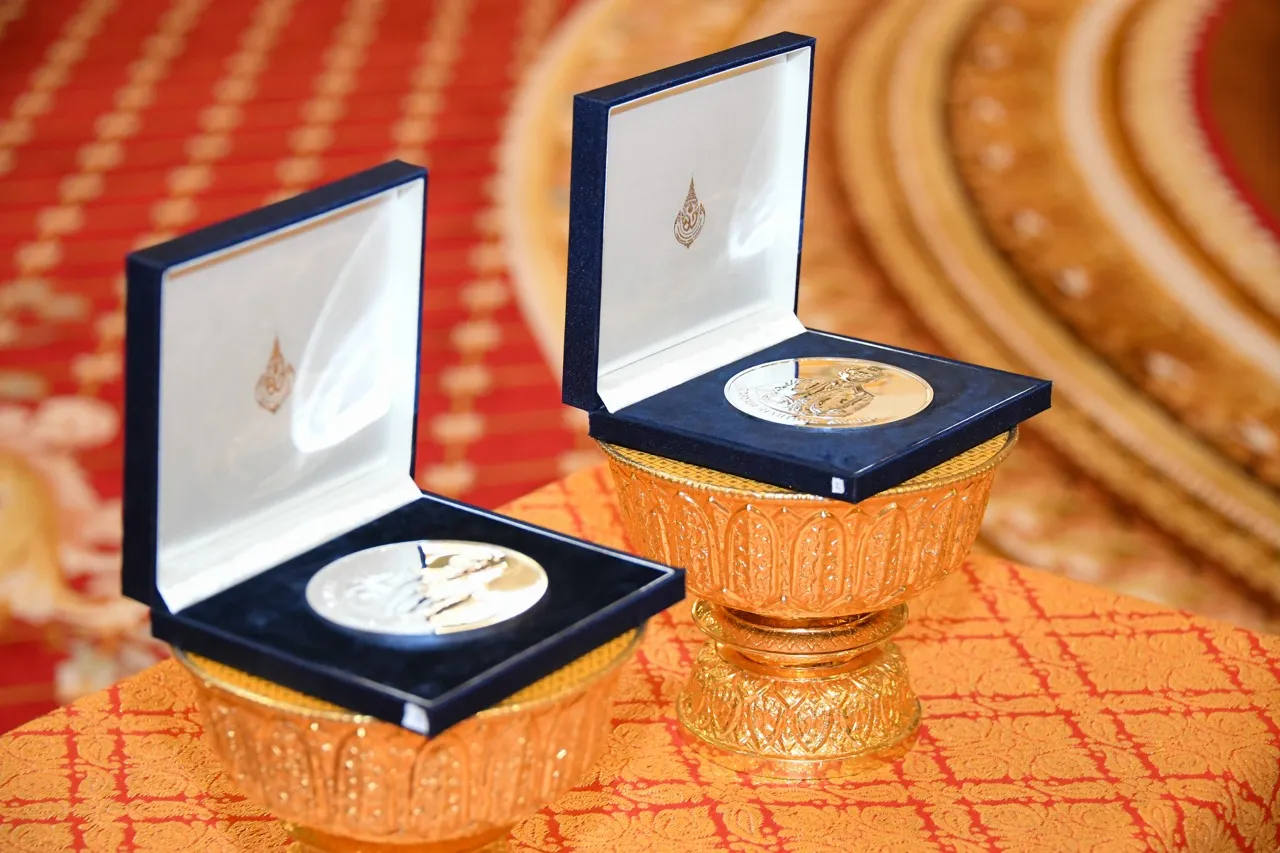
Established in 1992 by permission of His Majesty King Bhumibol Adulyadej the Great, in honor of his father, Prince Mahidol of Songkla, recognized as the “Father of Modern Medicine and Public Health in Thailand,” the Prince Mahidol Award continues to highlight individuals whose work has significantly advanced healthcare worldwide. This year’s laureates join an esteemed list of past recipients who have made lasting impacts on medical science and global health policy.
The scientific and medical achievements of the 2024 recipients, selected from a total of 73 nominations from 29 nations worldwide, underscore the award’s mission to honor innovations that save lives and improve global well-being.