

Thailand has once again been recognized as one of the world’s top retirement destinations, ranking as Asia’s highest-ranked country in the 2026 International Living Annual Global Retirement Index. But choosing Thailand is only the first step. The next question is where.
Retirement in Thailand can look very different depending on what you value most. Some people want the convenience of a major city. Others picture mornings by the sea or cooler weather in the mountains. Some prioritize access to healthcare, while others are looking for a quieter pace of life or a lower cost of living.
The good news is that Thailand offers all of these within one country.
Urban convenience: Bangkok
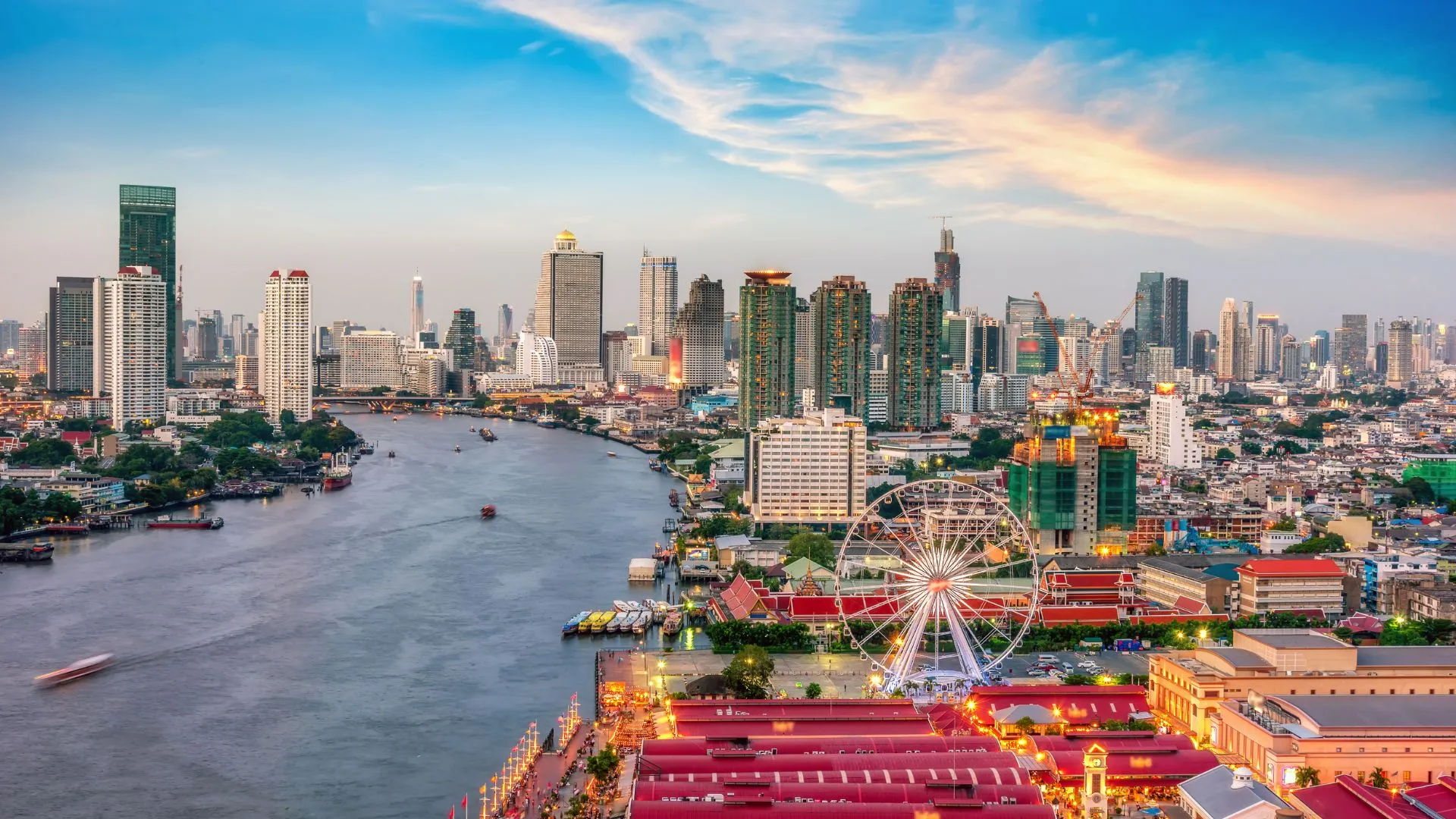
The most obvious answer for retirees who want everything close at hand. Bangkok remains the country’s most practical option.
The capital offers Thailand’s largest concentration of private hospitals, specialist medical centers, international airports, shopping, public transportation, and dining. Many retirees also appreciate that they can get around using the BTS Skytrain and MRT without relying on a car, while Suvarnabhumi and Don Mueang airports make domestic and international travel relatively straightforward.
Bangkok is also home to well-established expatriate communities, making it easier to find social groups, clubs, and services tailored to international residents.
The trade-off is that it is also Thailand’s busiest city. Housing costs tend to be higher than elsewhere in the country, and traffic remains part of daily life for anyone travelling by road.
Beach living: Hua Hin, Phuket, and Koh Samui
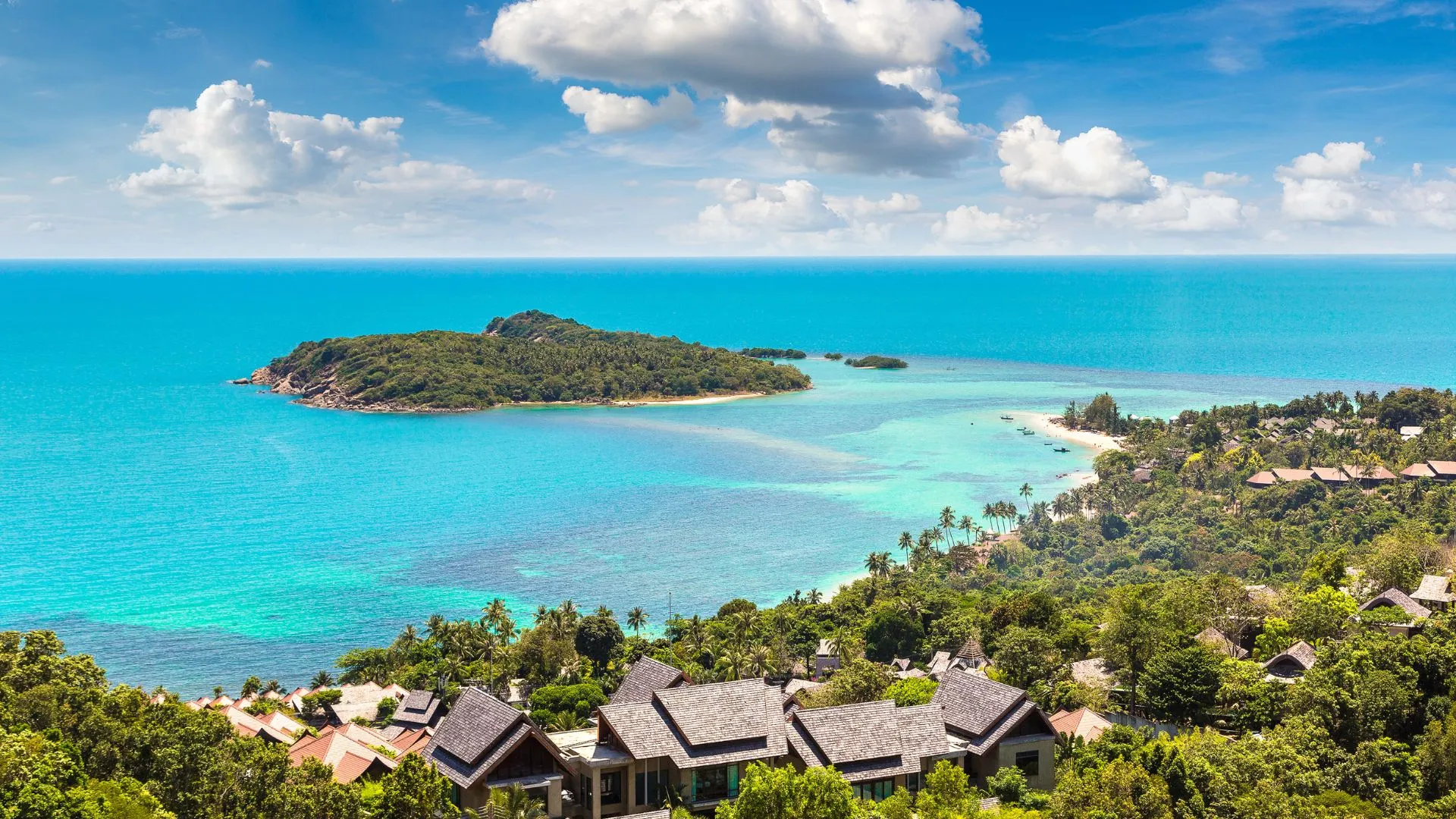
For many retirees, living near the sea is one of Thailand’s biggest attractions. Three destinations appear regularly in international retirement guides, each offering a different lifestyle.
Hua Hin has long been known as one of Thailand’s classic retirement destinations, and a quiet getaway hub for Bangkokians (particularly the affluent). Located only a few hours from Bangkok, it combines beaches with golf courses, seafood restaurants, modern hospitals, and a slower pace than the capital. Many retirees appreciate being close enough to Bangkok for specialist appointments or international flights while enjoying a quieter everyday routine.
Phuket offers a more international environment. As Thailand’s largest island, it combines beaches with shopping centers, international schools, an international airport, and one of the country’s strongest private healthcare networks outside Bangkok. It tends to appeal to retirees looking for an active lifestyle with easy access to services.
Koh Samui provides a different pace again. While healthcare and shopping options are smaller than Bangkok or Phuket, many retirees are drawn by its relaxed atmosphere, beaches, wellness resorts, and close-knit international community.
Mountain living: Chiang Mai
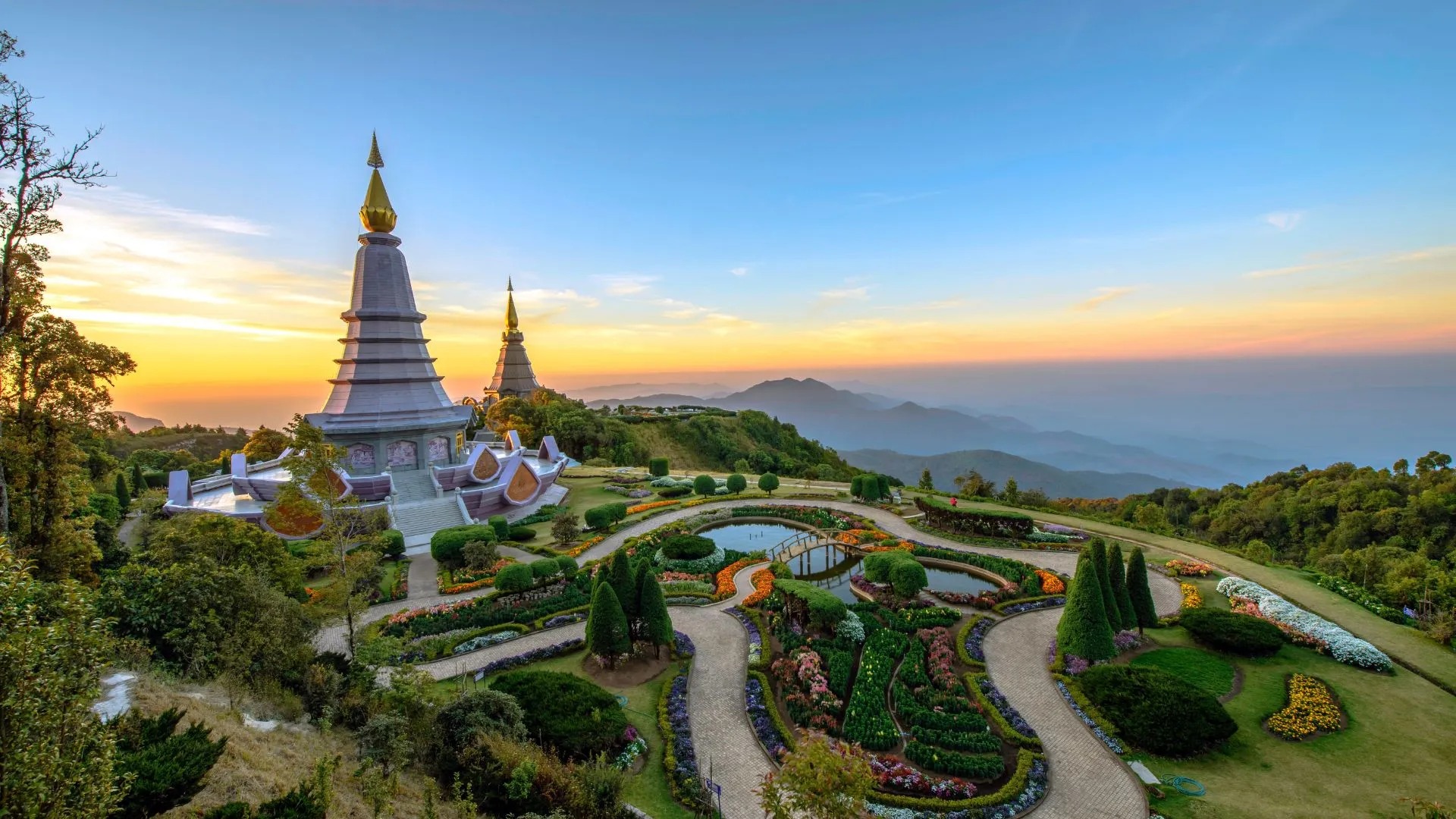
Chiang Mai has become one of Thailand’s best-known retirement destinations for people who prefer cooler weather and a slower rhythm of life.
The city combines urban conveniences with easy access to mountains, national parks, cafes, cultural attractions, and creative communities. Living costs are generally lower than in Bangkok, while an established international population means English-language services, social clubs, and community activities are relatively easy to find.
Healthcare is another advantage. Chiang Mai has several large private hospitals alongside public healthcare facilities, making it a practical choice for retirees seeking both affordability and access to medical care.
One consideration is seasonal air pollution. During parts of the late dry season, smoke from agricultural burning can affect air quality, something prospective residents should take into account when deciding whether Chiang Mai suits their lifestyle.
Looking beyond the familiar names
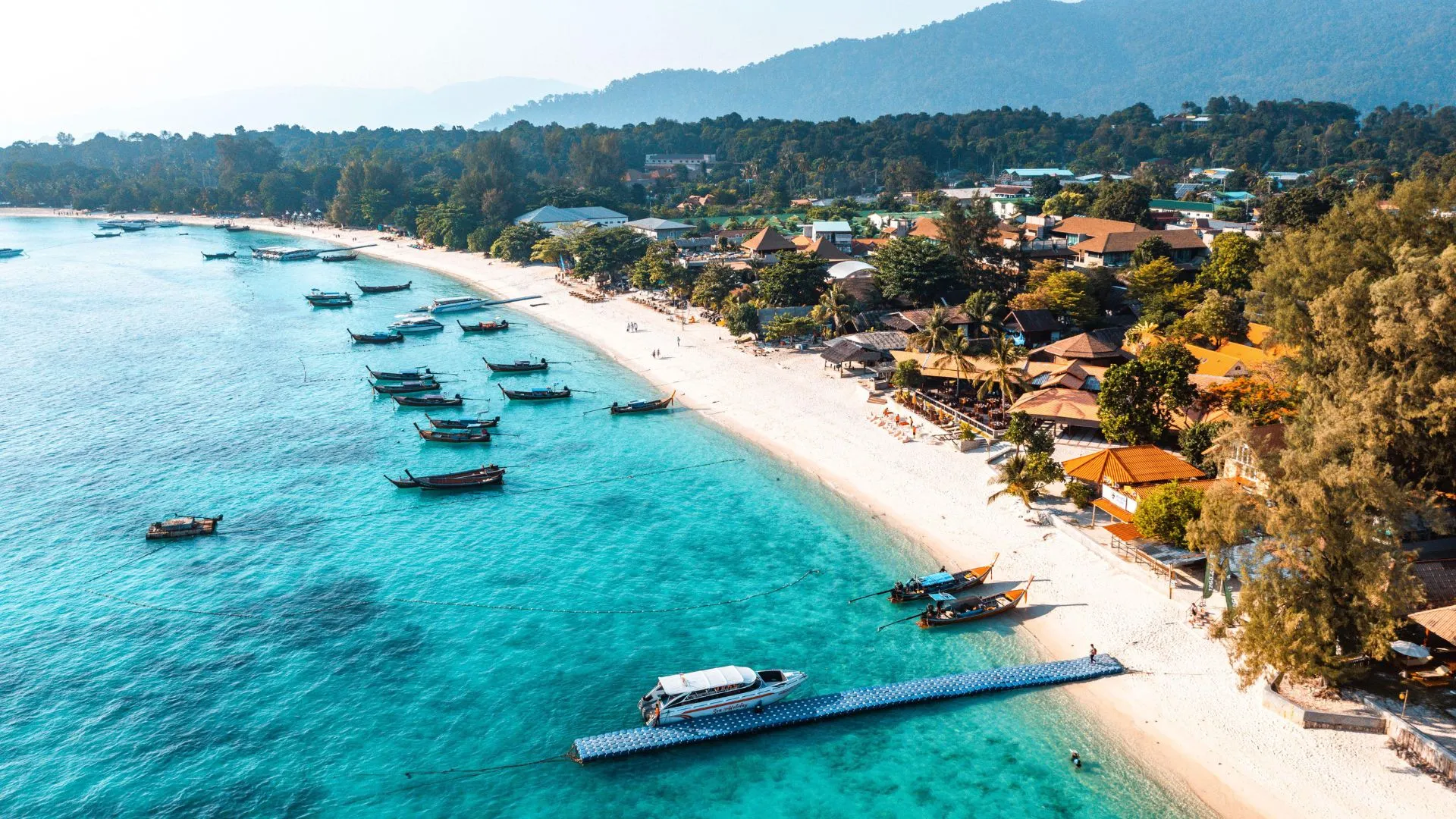
While Bangkok, Chiang Mai, Hua Hin, Phuket, and Koh Samui receive most of the attention, they are not the only places retirees consider.
Cities such as Rayong, Nakhon Ratchasima (Korat), Chiang Rai, and Khon Kaen offer different advantages. Housing costs can be lower, daily life is generally quieter, and each serves as a regional center with hospitals, shopping, restaurants, and domestic transport links.
For retirees who already have family in Thailand or simply prefer a less tourist-oriented environment, these provincial cities can offer a comfortable balance between convenience and a slower pace of life.
The best retirement destination is not always the most famous one. Sometimes it is simply the place that best matches how someone wants to spend their everyday life.
Choosing the lifestyle that fits you

There is no single ideal place to retire in Thailand because retirement itself means different things to different people.
Some retirees want to walk to restaurants, hospitals, and shopping centers. Others prefer mornings on the beach, mountain views, or a quieter neighborhood where daily routines unfold at a slower pace. Budget also plays a role, as does proximity to family, access to healthcare, and opportunities to stay socially active.
That variety is one of Thailand’s greatest strengths. Within a single country, retirees can choose between city living, coastal communities, mountain towns, or quieter provincial centers without giving up the practical advantages that continue to place Thailand among the world’s leading retirement destinations.

 Paul Rujopakarn