Bangkok has been named the world’s best city for Gen Z, topping Time Out’s first-ever global ranking focused exclusively on under-30s. Released this month as part of the Time Out Index survey of more than 18,000 people worldwide, the list highlights where young people feel happiest, most connected, and most empowered.
While South Africa’s Cape Town was named the overall best city in Time Out’s multigenerational ranking earlier this year, the Gen Z filter told a different story. The Thai capital surged to the top, overtaking Melbourne, Cape Town, New York, and Copenhagen in the top five.
A new kind of urban ranking
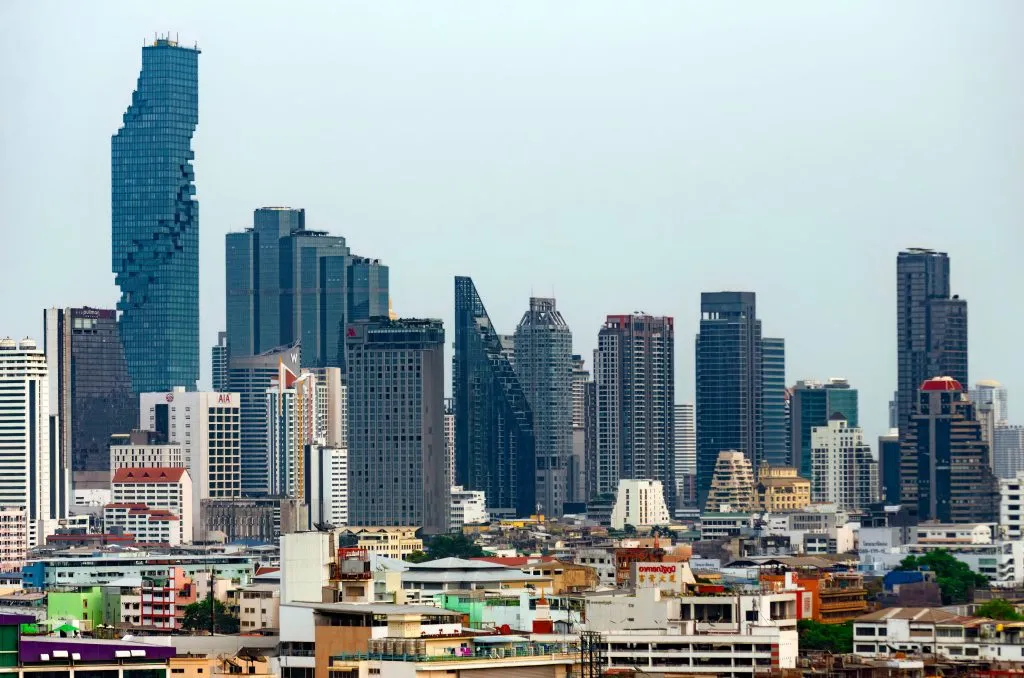
For Zoomers, balance, affordability, and authentic connection are just as important for life in a city as career prospects or infrastructure, with Bangkok excelling across these key categories.
An impressive 84% of Gen Z residents reported being happy living in the Thai capital, a figure far outpacing most other global hubs. Just as striking, 71% of respondents described Bangkok as affordable — an increasingly rare trait as young people worldwide face rising rents and living costs.
Perhaps most importantly, Bangkok was rated the easiest place to make friends, with young people citing its friendly atmosphere, bustling co-working spaces, and lively social scene. That sense of community, paired with a relatively low cost of living, creates the kind of financial and social breathing room that this generation values most in an age of smartphones and social media.
Thailand’s capital “checks every box for a great city: famously friendly, culturally rich, and packed with iconic sites like Wat Arun and the Grand Palace,” Time Out noted. Thapanee Kiatphaibool, Governor of the Tourism Authority of Thailand, echoed that sentiment, stating, “This recognition reflects not only Bangkok’s global appeal, but also the strength of Thai culture in creating an environment where young people can thrive.”
A global shift in priorities

The recognition underscores a broader generational shift being observed around the world. Gen Z, less interested in suburban stability or climbing rigid career ladders, is more drawn to vibrant, affordable, and socially fulfilling environments. Bangkok, with its enticing street food, dynamic nightlife, and cultural landmarks, offers a lifestyle where work, play, and connection can coexist and, indeed, thrive.
For young people rethinking what makes a city great, Bangkok’s triumph sends a clear message that it’s possible to live well, stay connected, and still keep costs manageable. In 2025, this sprawling Southeast Asian metropolis has proven itself the ultimate urban playground for the next generation.