

Thailand’s swine industry, long a pillar of the Kingdom’s agricultural economy, is navigating a delicate balancing act of stabilizing prices at home while carefully expanding exports abroad. A combination of government coordination, industry self-restraint and new trade channels, most recently with Malaysia, is emerging as a strategy to absorb a persistent oversupply that has squeezed farmers and unsettled the market.
Surplus pressures and falling prices
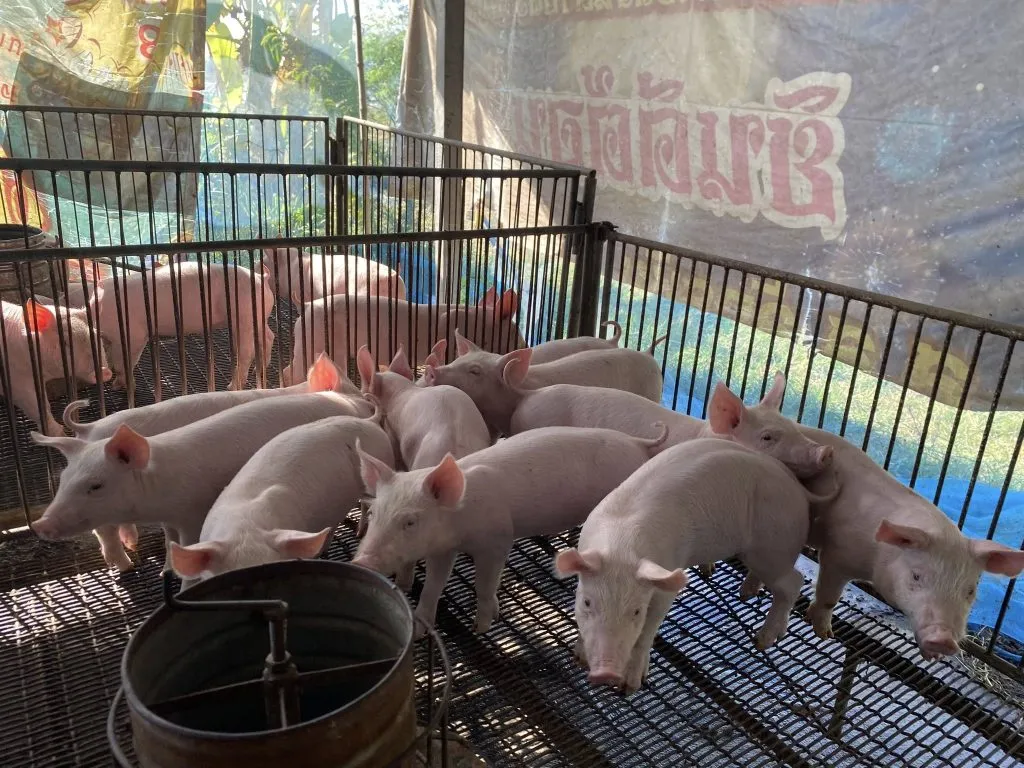
Thailand’s pork production is projected to rise to about 24.29 million head in 2026, up from 23.49 million the previous year, even as domestic demand remains soft. Producers estimate that supply currently exceeds demand by roughly 5–10%, pushing farm-gate prices down and leaving many farmers selling below production cost. Smaller operators have been especially vulnerable, with losses running into the hundreds or even thousands of baht (tens of dollars) per animal, raising fears that some farms could be forced out of business if conditions persist.
Industry leaders, such as Sitthiphan Thanakiatpinyo, President of the Swine Raisers Association of Thailand (SRAT), have warned for several years that unchecked expansion by large farms, combined with periodic shocks such as disease outbreaks or illegal imports, can destabilize prices and ripple across feed suppliers, slaughterhouses, and rural communities.
Managing supply at home
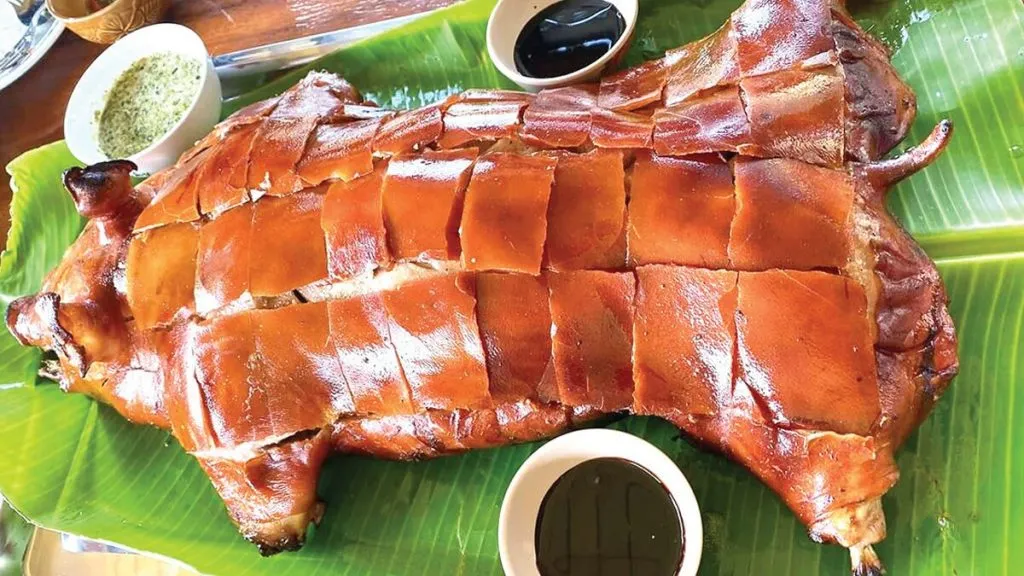
To relieve pressure, the SRAT has asked major producers to cooperate in a price-stabilization program. Large farms are diverting tens of thousands of pigs each month into processed or specialty products such as suckling pigs, a measure intended to remove as many as 300,000 surplus animals from the fresh-meat market over six months.
Authorities are also working to stimulate consumption domestically. Subsidized pork sales through government programs and seasonal promotions during major festivals, including Chinese New Year and Songkran, aim to boost household demand while ensuring affordability for consumers.
At the same time, regulators continue tightening food-safety enforcement and cracking down on illegal feed additives as part of a broader effort to maintain confidence in Thai pork at home and abroad.
Exports open a new channel
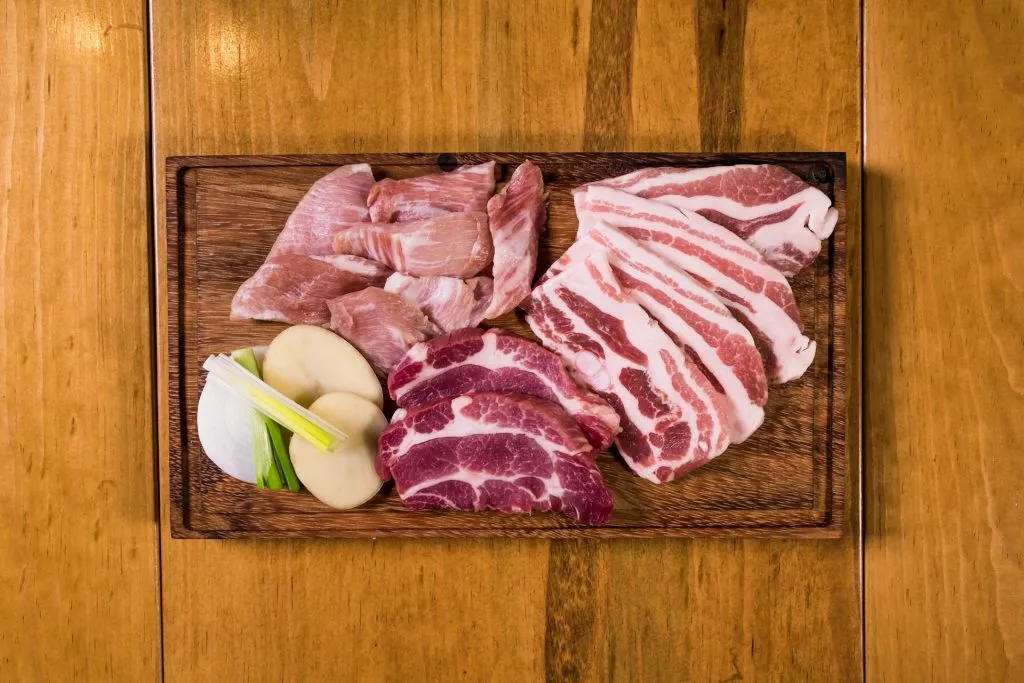
Exports are increasingly central to the industry’s recovery strategy. Following negotiations between Thailand’s Department of Livestock Development and Malaysian authorities, four Thai exporters have been approved to ship chilled and frozen pork to Malaysia, with shipments expected to begin in 2026 and potentially reach about THB4 billion (roughly US$128 million) in value.
Thai officials say Malaysian inspections of slaughterhouses and processing facilities helped demonstrate compliance with strict hygiene and veterinary standards. For Thailand, the additional demand could help absorb surplus output and support price stabilization.
For Malaysia, where pork is consumed primarily by non-Muslim communities, officials have emphasized that imports are tightly regulated and subject to rigorous food-safety controls. Authorities have framed the policy as a targeted step to ensure adequate supplies during festive periods while maintaining biosecurity and consumer protection.
Importers and industry groups in Malaysia have likewise noted that regulated imports can reduce the risks associated with smuggling and uncontrolled supply chains.
A balancing act for the future
The emerging trade link underscores how agricultural markets in Southeast Asia are increasingly interconnected even as both nations are approaching the arrangement with the utmost care and consideration.
Malaysian officials stress that imports are not intended to undermine domestic producers, while Thai industry leaders continue to call for closer coordination among large and small farms to prevent future oversupply cycles.
For Thailand’s swine sector, long-term stability will likely depend both on finding new markets and keeping production, demand, and regional sensitivities in careful balance.

 Teerin Julsawad