

For many travelers, the first thing they plan after booking a flight isn’t sightseeing. It’s food.
A new study by long-haul travel specialists Travelbag ranked the world’s best destinations for food lovers in 2026, analyzing cities based on several factors: the number of food-related activities available, average meal costs, social media buzz, and Google search demand.
The results place Bangkok firmly on the global culinary map, which shouldn’t be a surprise. The Thai capital ranks fifth among the world’s top foodie destinations, competing with major cities known for their dining scenes.
Dubai took the top spot in the ranking, followed by Melbourne and Toronto, with Singapore in fourth place. Bangkok rounds out the top five, standing out for something few global cities can match: the sheer scale and accessibility of its food culture.

A food city that never stops
According to the study, Bangkok offers 406 food and drink activities, the highest number recorded among the top ten cities analyzed (by far).
Those experiences can range widely. Travelers might start the day with a bowl of rice porridge from a neighborhood street stall, explore fresh markets and local food tours during the afternoon, and finish with dinner at a fine-dining restaurant recognized by the Michelin Guide.
This diversity has long been part of Bangkok’s identity. The city’s dining culture blends centuries-old cooking traditions with modern creativity, a combination that continues to attract visitors from around the world.
For those looking to understand the foundations of Thai cooking, dishes often draw from traditions and ingredients that have evolved over generations, as well as the wider cultural influences that shape Thai cuisine.
A global food destination that’s still affordable
Bangkok also stands out for another reason: price.
Among the cities included in the Travelbag ranking, Bangkok offers the lowest average cost for a three-course meal for two people at a mid-range restaurant, estimated at £24 or US$32 (excluding drinks).
By comparison, the same meal averages £62 in Dubai, £60 in Melbourne, and £65 in Toronto.
That affordability is part of what makes Bangkok so appealing to food-focused travelers. It allows visitors to explore more of the city’s dining scene, from casual street food stalls to high-end restaurants, without needing to choose just one experience.
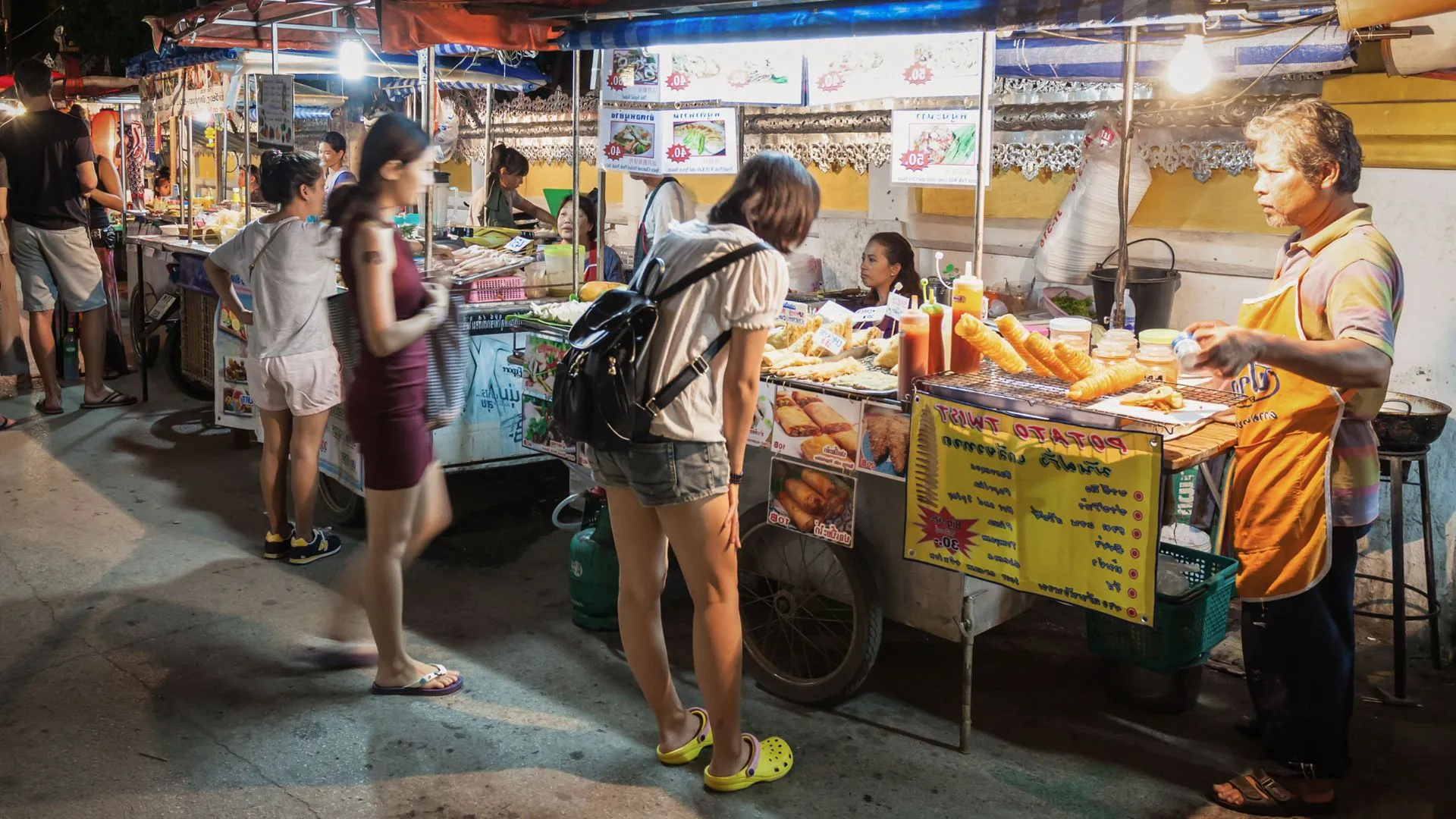
Street food in particular remains a defining part of the city’s culinary landscape. Whether it’s grilled skewers from a late-night vendor or a bowl of boat noodles served beside a canal, everyday meals continue to shape how people experience Bangkok.
A gateway to Thailand’s regional cuisine
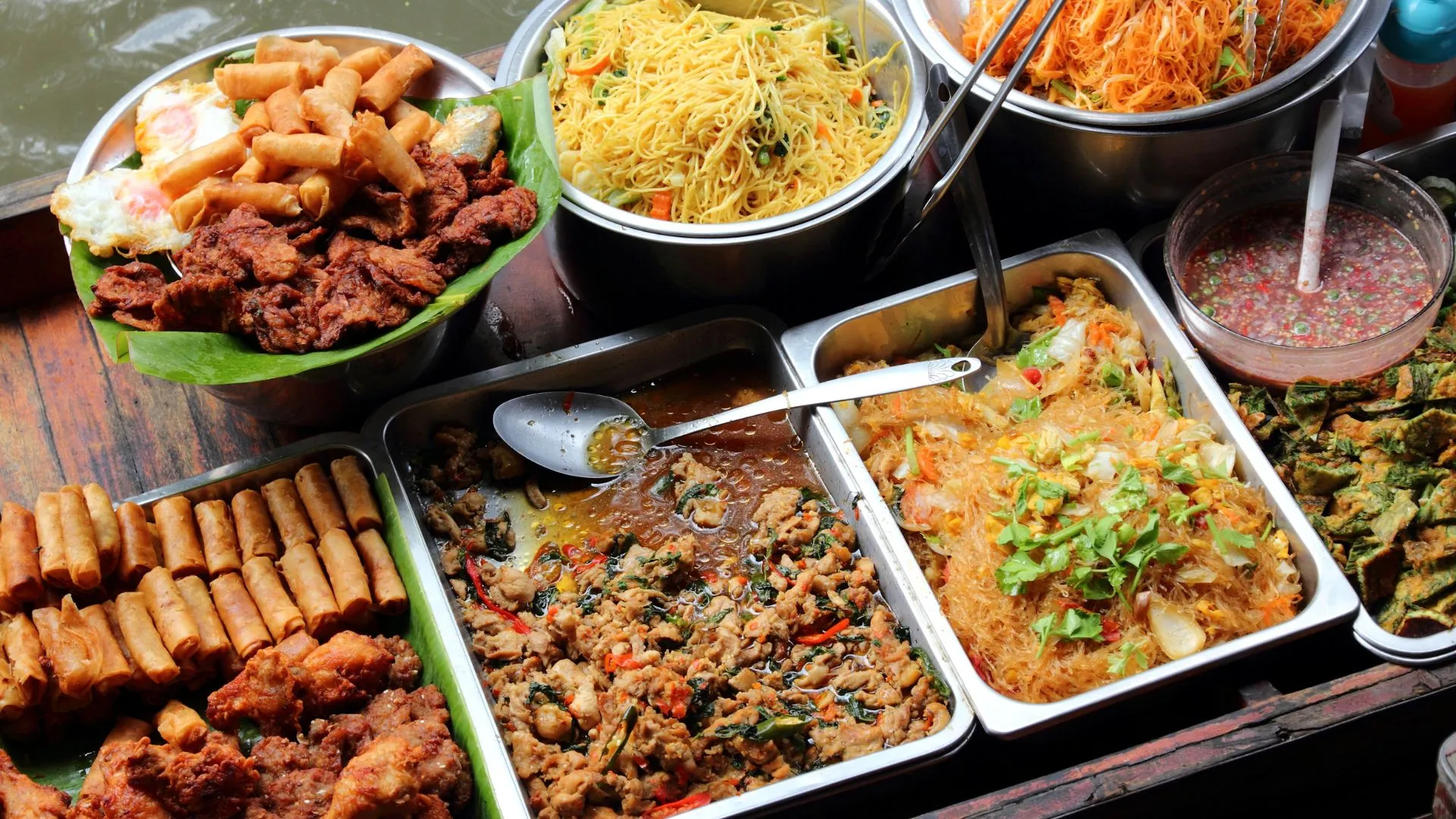
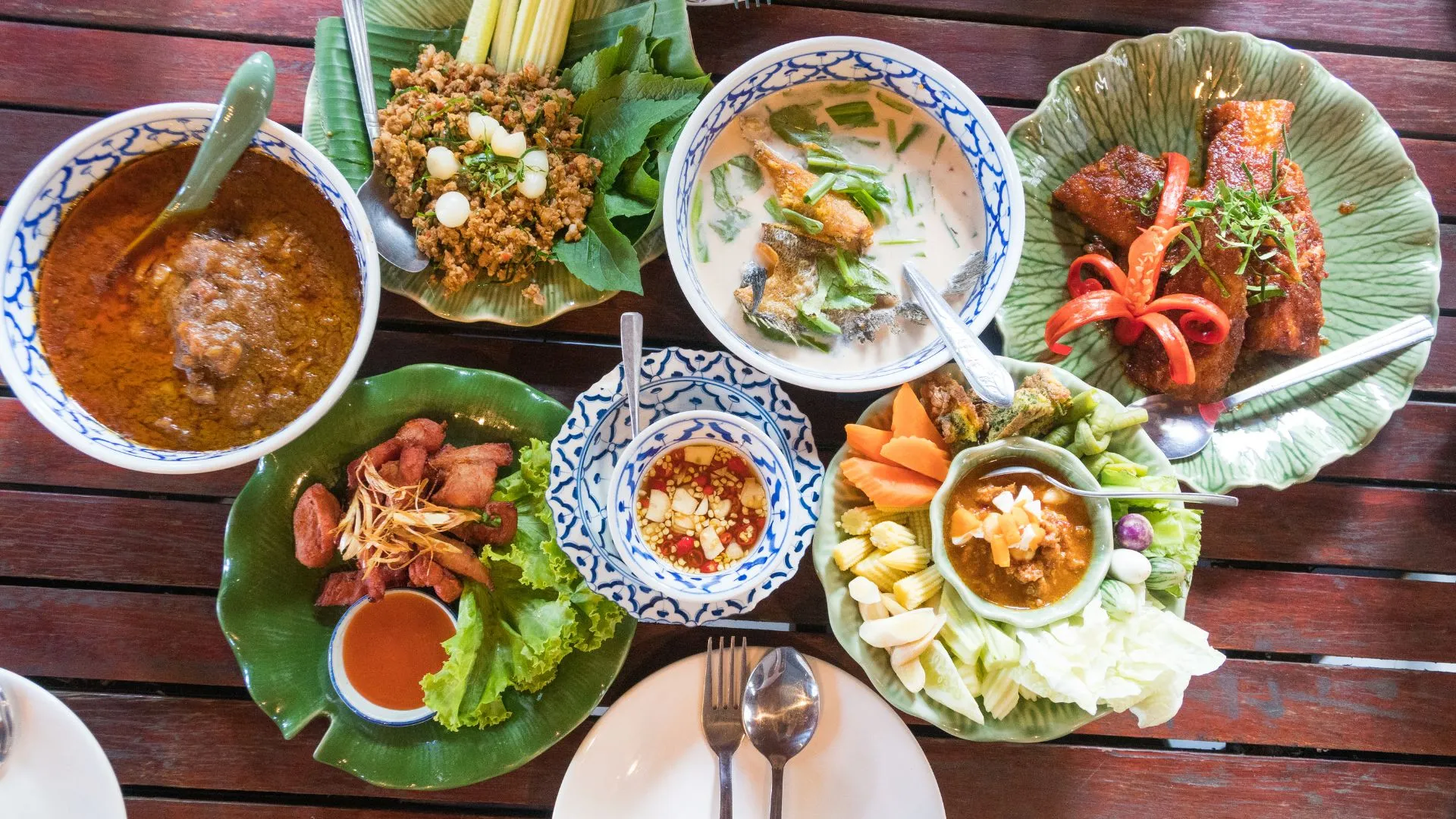
Bangkok’s dining scene also acts as a window into the wider diversity of Thai food. Restaurants across the city showcase flavors from all corners of the country, allowing visitors to sample dishes that originate far beyond the capital.
Northern Thailand’s cuisine, for example, is known for comforting dishes and aromatic herbs. In the northeast, Isan cooking delivers bold flavors built around grilled meats, fresh herbs, and fermented ingredients. Southern Thai cuisine, meanwhile, brings fiery spice and seafood-heavy dishes influenced by coastal traditions.
All of these regional influences converge in Bangkok, helping explain why the city offers such a large number of food experiences compared with other global destinations.
Food tourism in the content era
The Travelbag study also examined the role of social media in shaping food travel trends.
Cities like Toronto and Melbourne rank particularly high in social media buzz, with millions of Instagram posts and hundreds of thousands of TikTok videos dedicated to their dining scenes.
Bangkok’s presence online remains strong as well, with 685,000 Instagram posts and over 42,000 TikTok posts associated with the city’s food hashtags in the study. Platforms like TikTok have increasingly driven interest in food tourism, with travelers seeking out dishes and restaurants they discover through viral videos or travel influencers.
But in Bangkok, the appeal of the food scene goes beyond social media trends.
The city’s culinary culture is built on everyday accessibility. Markets open before sunrise. Street stalls serve meals throughout the day. Night markets and late-night eateries keep kitchens running long after midnight.
For visitors and locals alike, food isn’t simply a highlight of a trip to Bangkok. It’s just part of daily life.
A culinary capital that keeps evolving
Rankings change every year as cities expand their dining scenes and new food destinations emerge. Yet Bangkok’s position among the world’s top foodie cities reflects something deeper than a single study.
The city continues to offer an unusual combination of variety, cultural depth, and affordability. From historic recipes passed down through generations to modern chefs experimenting with Thai flavors, Bangkok’s food scene continues to evolve while staying rooted in tradition.
For travelers planning their next culinary adventure, that balance helps explain why Bangkok remains one of the world’s most compelling places to eat.

 Paul Rujopakarn