

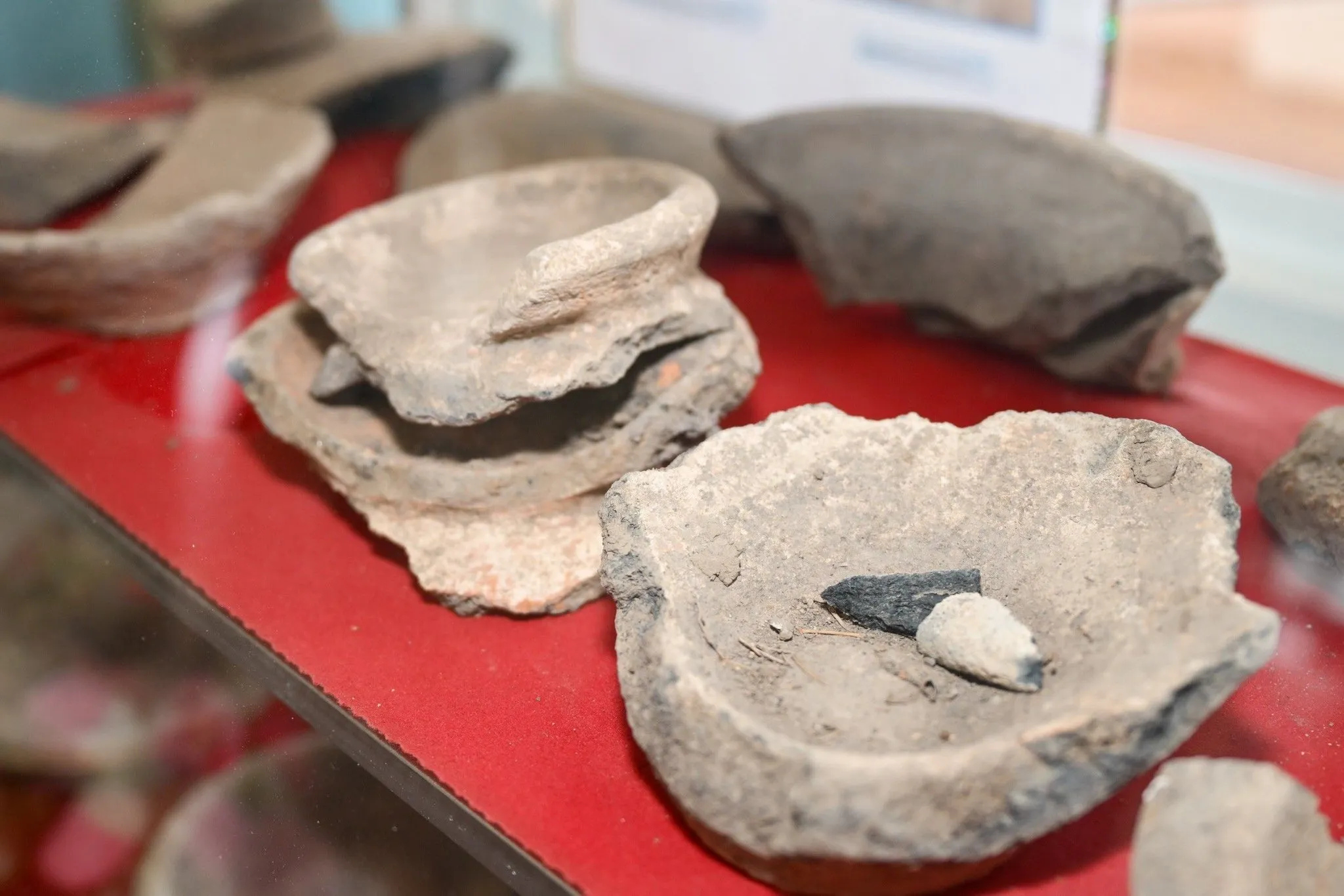
A collection of prehistoric artifacts dating back roughly 3,000 years has officially been returned to Nakhon Phanom, including bronze ornaments, ancient glass beads, terracotta seals, iron tools, and round-bottomed pottery linked to early communities along the Mekong River basin.
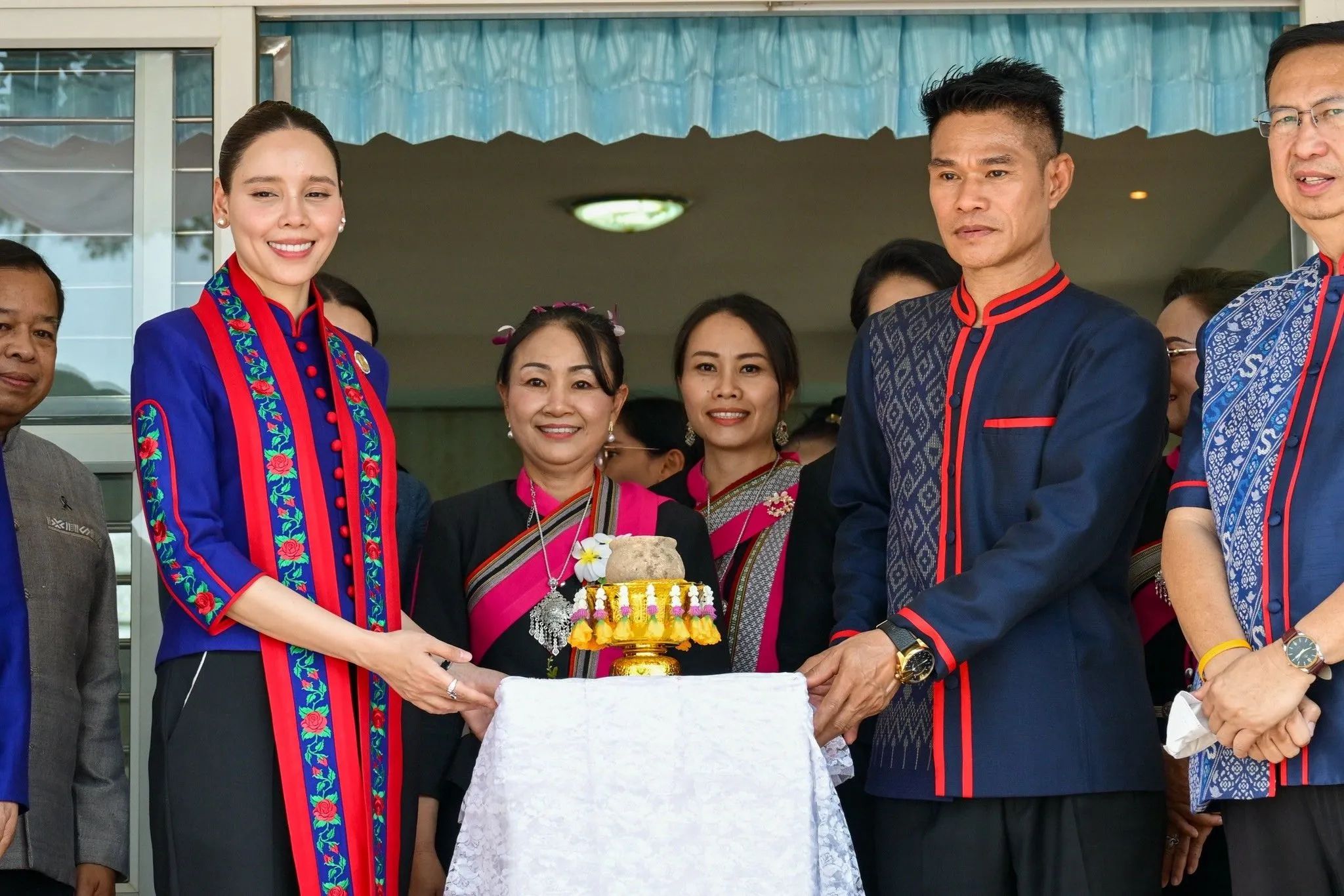
The handover took place in Kut Chim district earlier this month, where Culture Minister Sabeeda Thaised formally transferred the collection to local authorities for preservation at the Ban Kut Chim Museum.
The initiative aligns with broader efforts to connect cultural preservation with local communities and tourism development, placing greater emphasis on keeping historical objects connected to the communities and landscapes they came from, rather than treating them only as isolated museum pieces.
Bringing history back to where it was found
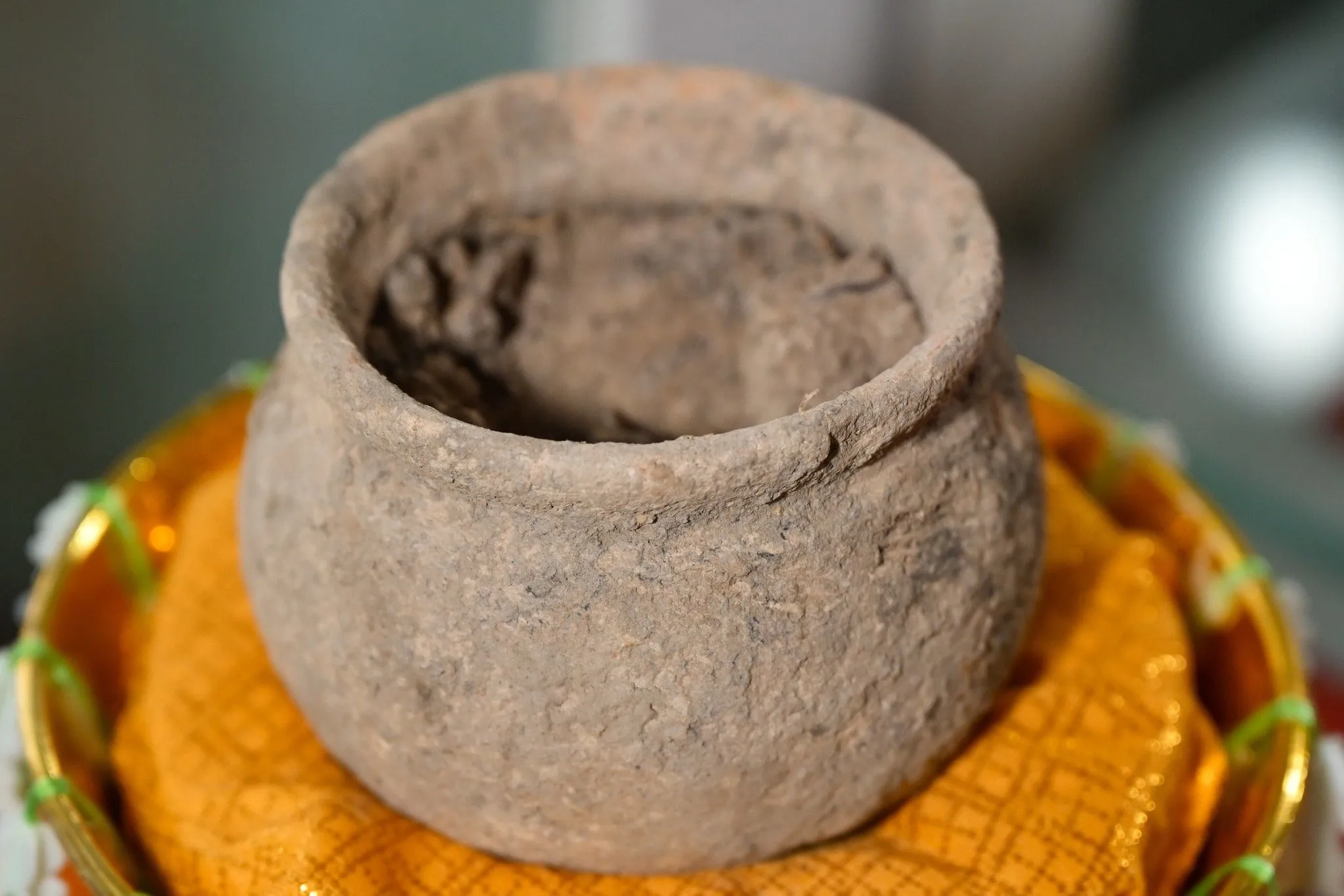
Many of the artifacts were originally unearthed during excavations in 2010 and date back between 2,300 and 3,000 years. Together, they provide insight into prehistoric communities that once lived along the Mekong basin, including early forms of craftsmanship and material culture reflected in the objects discovered at the site.
During the ceremony, 18 local residents were also recognized for voluntarily surrendering artifacts in their possession to the state, an act the Ministry of Culture described as important to preserving Thailand’s archaeological heritage.
The approach also places emphasis on local participation in preserving and studying regional history, particularly through museums and cultural institutions connected to the sites where artifacts were originally found.
It’s a direction that echoes other recent heritage efforts in Thailand, including the return of the Prakhon Chai bronze sculptures, where repatriation was framed not only as recovery, but as cultural restoration.
Heritage as part of everyday life
The government also sees cultural preservation as closely tied to tourism and local economic development.
According to the Ministry of Culture, the long-term plan for Nakhon Phanom includes upgrading archaeological sites to international museum standards, improving infrastructure around heritage areas, and linking historical landmarks into broader visitor routes.
That includes connections between prehistoric sites, temples such as Wat Phra That Renu, cultural streets, local museums, and performance spaces to create a more cohesive travel experience.
The broader strategy is being framed as “Creative Cultural Tourism,” where heritage sites become part of a wider ecosystem that supports local businesses, community products, and cultural activities.
Part of that also involves encouraging local entrepreneurs and artisans to draw inspiration from ancient motifs and regional identity in contemporary products, helping connect historical heritage with present-day creative industries.
Preservation, but not behind glass
There is also a growing emphasis on making archaeological heritage more visible and accessible to the public.
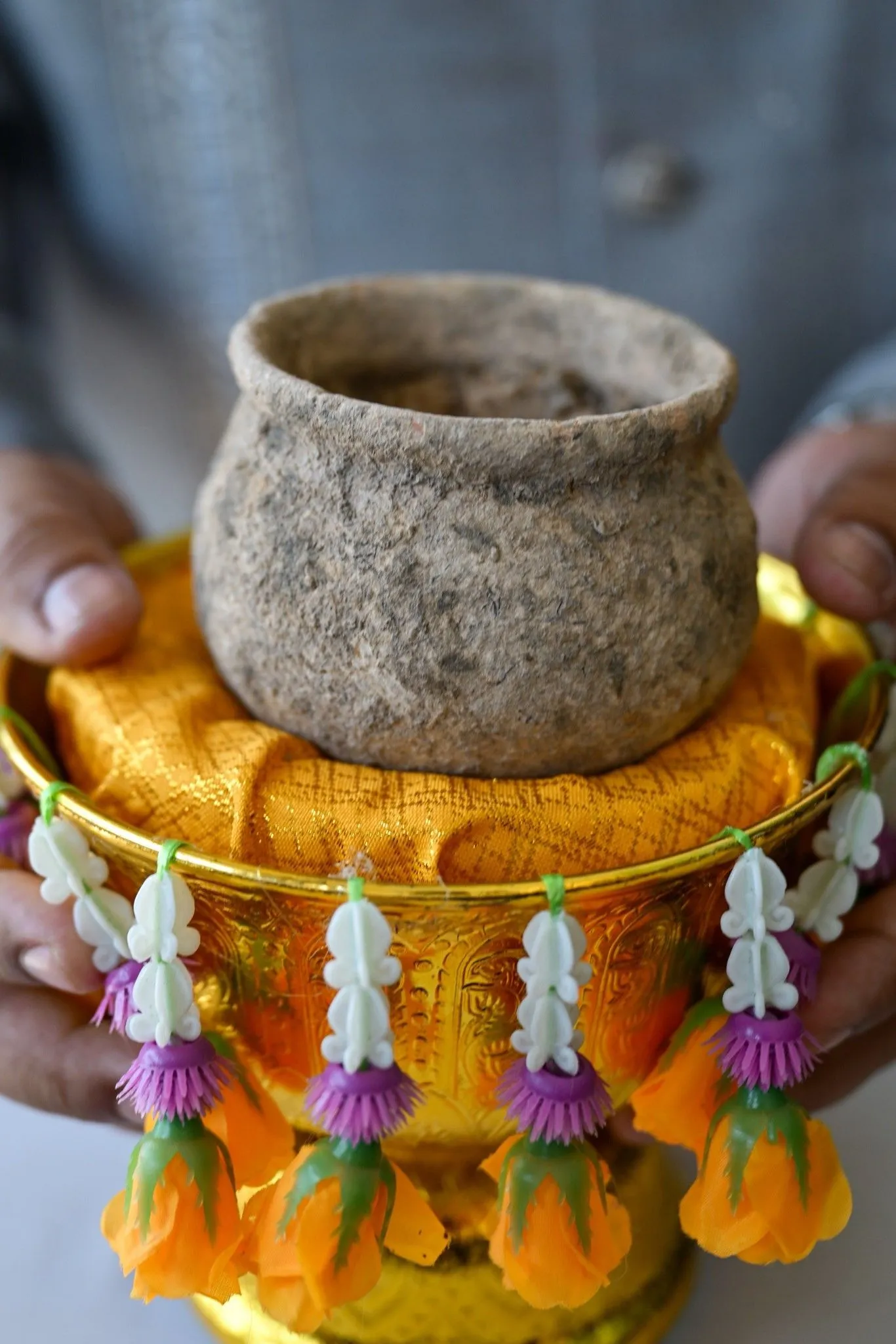
Returning artifacts to local museums changes how people encounter them. Instead of being viewed only in larger national institutions, they become more directly connected to local communities and regional history.
For provinces like Nakhon Phanom, that can also shape how visitors experience heritage sites. Archaeological locations become part of a broader cultural landscape tied to the province itself, rather than isolated historical stops.
Thailand continues to invest in preserving historical heritage, while also trying to make that heritage more visible, locally rooted, and economically sustainable.
In that sense, the significance of these artifacts is not only in their age, but also in what they continue to represent today: local identity, historical continuity, and an ongoing effort to keep cultural heritage connected to the places where it originated.

 Paul Rujopakarn