Thailand has officially broken into the world’s top 50 startup ecosystems for the first time in six years, reflecting the Kingdom’s growing ambitions to become Southeast Asia’s next innovation powerhouse.
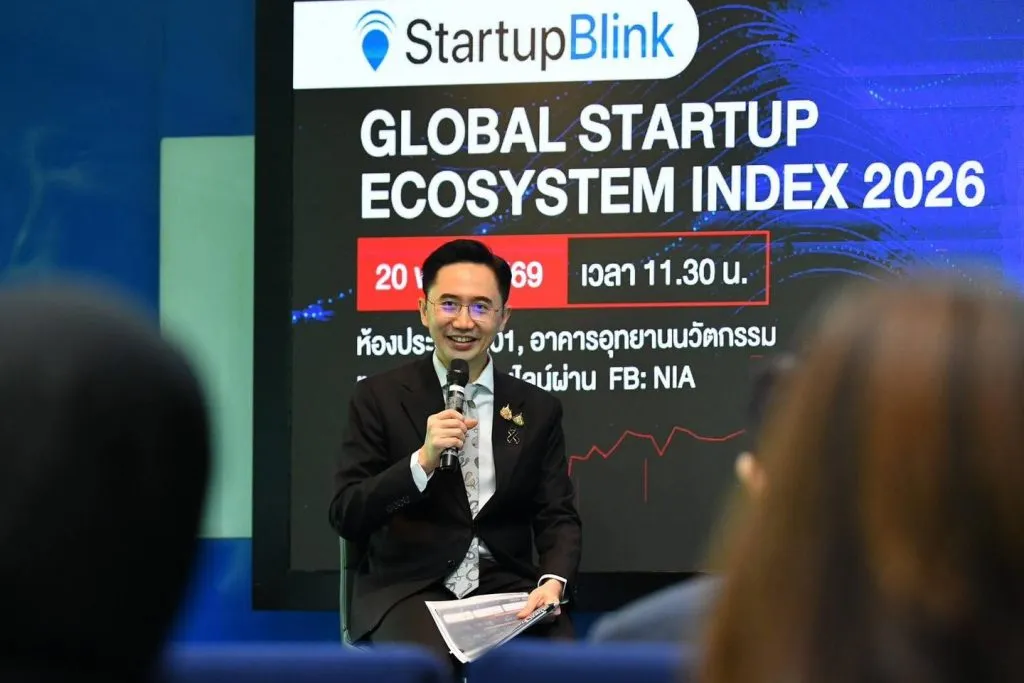
According to StartupBlink’s Global Startup Ecosystem Index 2026, Thailand climbed to 49th globally, ranking fourth in Southeast Asia behind Singapore, Indonesia, and Malaysia. The nation’s startup ecosystem expanded by 62.6% over the past year, one of the fastest growth rates among the world’s top 50 ecosystems.
For a country long associated internationally with tourism and manufacturing, the new rankings is evidence of a broader economic transformation.
“Thailand is no longer just a tourism destination,” said Dr. Krithpaka Boonfueng, Director of Thailand’s National Innovation Agency (NIA). “It is becoming an important hub for technology entrepreneurs, investors and digital nomads from around the world.”
Bangkok leads broader innovation push
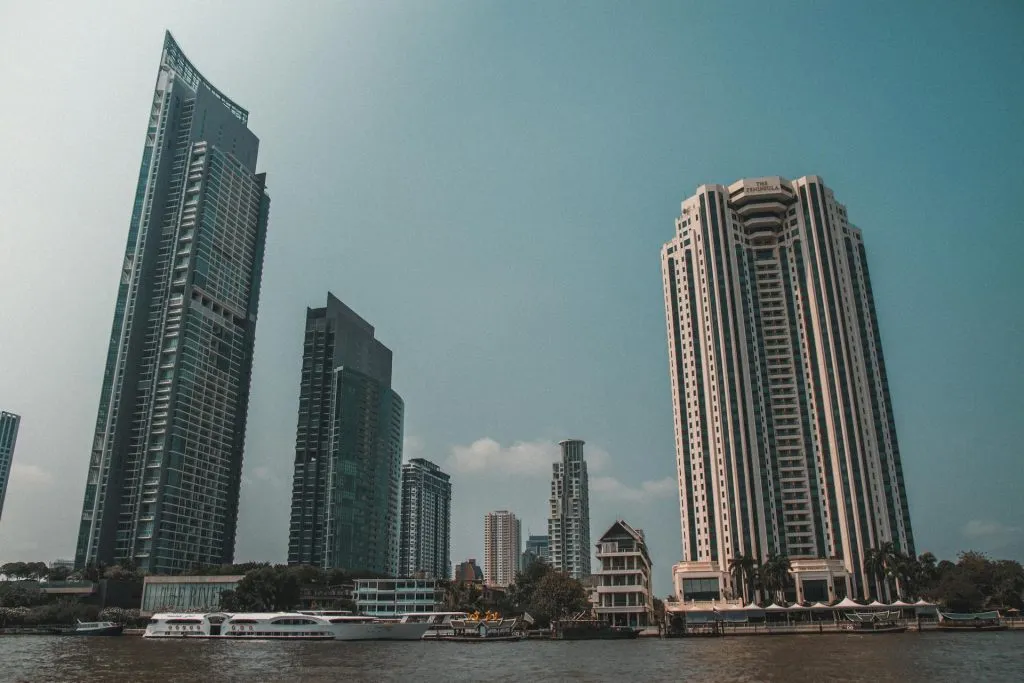
Bangkok meanwhile continues to emerge as the center of Thailand’s tech ambitions, rising to 76th globally among startup cities and claiming the title of Southeast Asia’s leading robotics hub, ranking 17th worldwide in that category.
Indeed, the story is no longer confined to Bangkok alone.
Secondary cities including Chiang Mai and Phuket posted explosive growth rates of 91.6% and 85.9%, respectively, while Pattaya, Samut Prakan, Pathum Thani, and Nakhon Pathom entered the global startup rankings for the first time.
The expansion beyond the capital reflects what policymakers describe as a deliberate effort to build “area-based innovation ecosystems” nationwide, supported by startup leagues, community makerspaces, and university-linked funding initiatives.
Thailand also ranked second in the Asia-Pacific region for startup community activity, underscoring the increasing density of networking events, accelerators and entrepreneurial support systems.
Betting big on MedTech and DeepTech
Thailand’s strongest international showing came in MedTech, where it ranked first in Southeast Asia and eighth globally.
Notably, the nation’s healthcare infrastructure, wellness industry, and medical tourism reputation give Thai startups a competitive edge as global demand for health and wellness technology accelerates.
The government is now prioritizing so-called DeepTech sectors, including artificial intelligence, robotics, climate technology, and food technology, as part of efforts to build a higher-value economy.
“We see startups not simply as newly established businesses,” said Higher Education, Science, Research and Innovation Minister Dr. Yodchanan Wongsawat. “They are a key mechanism for creating a new growth engine for the country across the digital economy, targeted industries, high-skilled employment, and global competitiveness.”
Thailand currently counts four unicorn startups, including logistics and fintech firms that have helped validate the country’s ability to scale tech companies regionally.
Turning momentum into effective policy

Despite the upbeat rankings, Thai officials acknowledge structural challenges remain, particularly around access to funding, talent retention, and commercialization pathways.
Much attention is now focused on a proposed Startup Promotion and Development Act moving through parliament. The legislation would introduce more flexible financing mechanisms, fast-track visas for foreign talent, stronger intellectual property protections, and incentives for DeepTech firms.
Analysts say the reforms could prove pivotal if Thailand hopes to compete with regional leaders like Singapore while carving out its own niche in manufacturing-linked innovation and the “wellness economy.”
For now, the rankings offer the Thai startup community enhanced global visibility, something it has been seeking for years. If the momentum continues, Thailand could increasingly find itself recognized not just for hospitality and travel, but also for startups, innovation, and emerging technology.