

Thailand has approved a labor cooperation agreement with Sri Lanka that will pave the way for an initial 10,000 Sri Lankan nationals to work in the country legally.
The move comes as businesses warn that persistent labor shortages are putting pressure on key sectors of the economy, with construction among the areas facing particularly persistent deficits.
Key Takeaways
- Thailand has approved a labor cooperation agreement with Sri Lanka covering an initial 10,000 Sri Lankan workers.
- Labor Minister Julapun Amorntivat says the deal fills positions employers cannot staff domestically rather than replacing Thai workers.
- Workers must sign employment contracts and obtain work permits before arrival, with two-year contracts renewable for two more years.
- Sri Lankan workers will receive equal treatment under Thai labor law, mandatory health checks, and employer-funded repatriation.
- The agreement creates a transparent, tracked recruitment pipeline designed to prevent illegal recruitment and human trafficking.
The jobs Thailand can’t fill at home
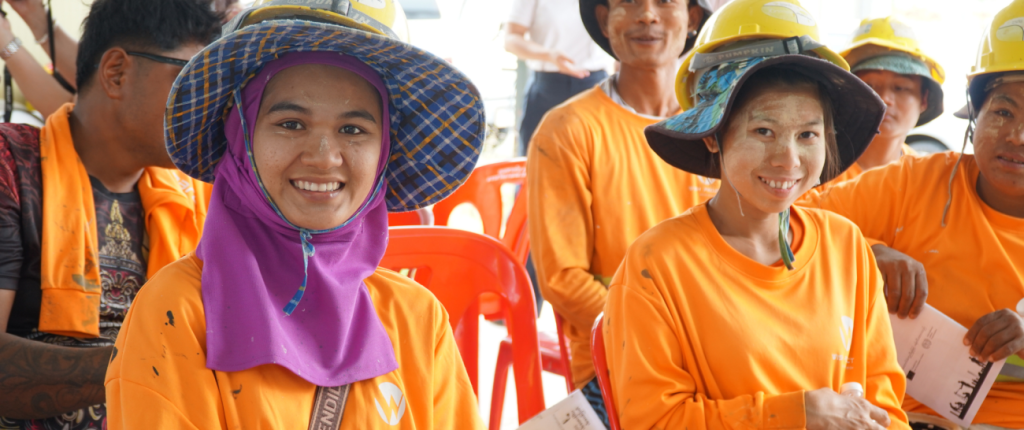
Migrant workers take part in a labor rights activity at a construction site in Bangkok.
Source: Pichit Phromkade/ILO – United Nations Thailand
Labor Minister Julapun Amornvivat noted that the plan is not about replacing Thai workers, but filling positions that employers are struggling to staff domestically, especially labor-intensive jobs.
“This collaboration will help keep Thailand’s economy moving forward while simultaneously bringing migrant workers into an efficient system that complies with the law,” Julapun said.
As many Thai workers are no longer applying for these positions, leaving the gaps unfilled could eventually have wider consequences, including disruptions to supply chains and the erosion of Thailand’s economic competitiveness.
The government has therefore been seeking to expand legal channels for foreign workers. Sri Lanka is among its initial target countries, with the two governments having spent several years discussing and coordinating the arrangement before finalizing an agreement.
Bringing recruitment into the system
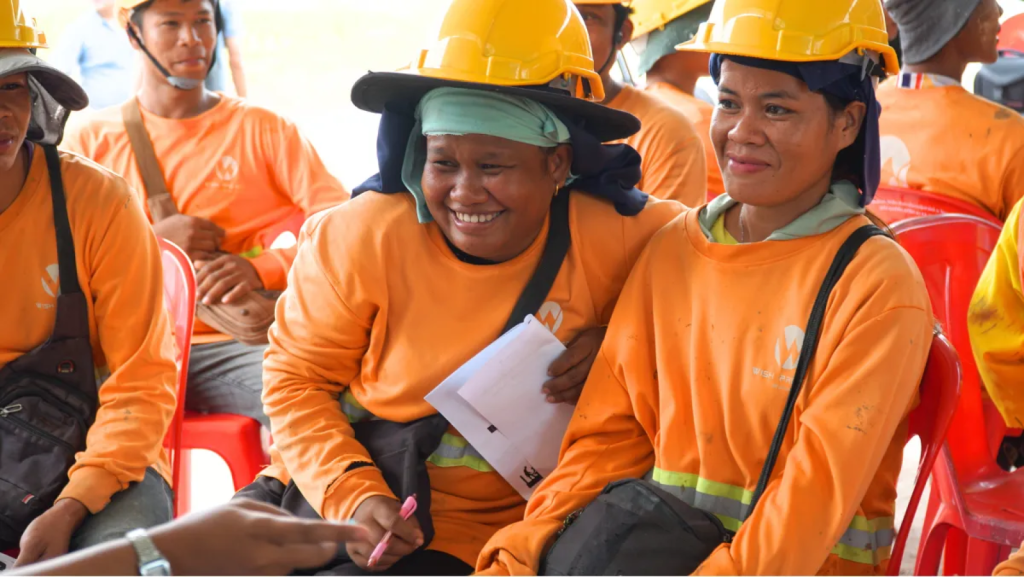
Source: Pichit Phromkade/ILO – United Nations Thailand
Sri Lankan workers who are selected will have to sign employment contracts directly with their Thai employers before arriving in Thailand. They will also need valid work permits and will only be allowed to work for the employer and in the occupation for which they are authorized.
Additionally, workers will be entitled to equal, nondiscriminatory treatment under Thai labor law, including access to the legal system in the event of an employment dispute. Health examinations and proof of health insurance will be required before they begin working.
Contracts will run for two years and can be renewed for another two. At the end of the contract, workers must return to Sri Lanka, with employers responsible for the cost of their repatriation.
Developing a safer labor pipeline
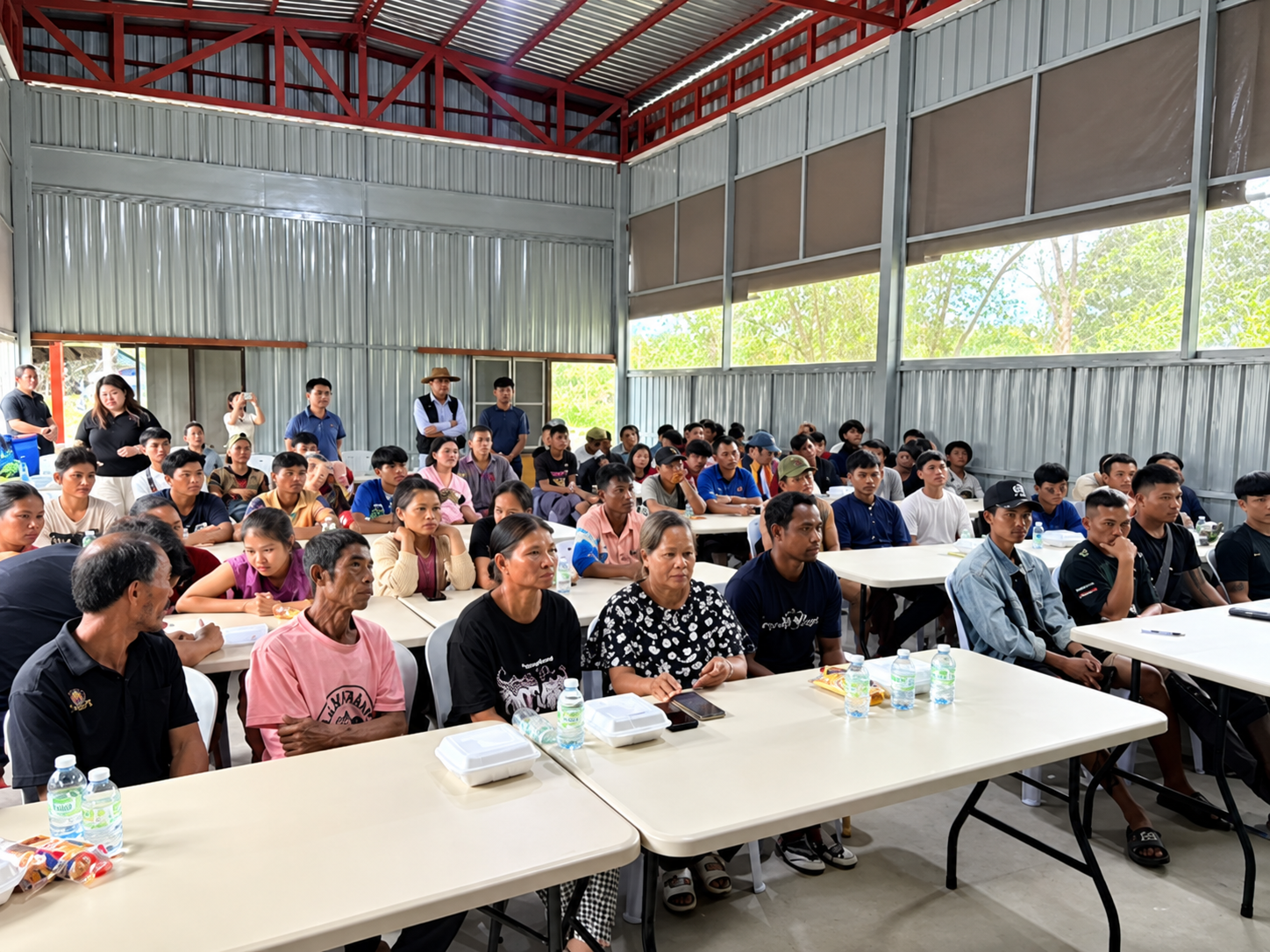
Migrant workers attend a labor rights and social protection training session in Rayong. Source: SERC Foundation – International Labour Organization
As per the MOU, Thailand and Sri Lanka will also exchange information on labor markets, laws, and policies, while cooperating on skills development and ways to improve productivity. This includes information aimed at preventing illegal recruitment and human trafficking.
The idea is to advance a recruitment process that is more streamlined and transparent, one that can be tracked from the worker selection stage in Sri Lanka to the arrival and employment of workers in Thailand.
This provides Thai industries another way to fill jobs that have been difficult to staff, while giving Sri Lankan workers a clearer path to Thailand’s labor market, with employment contracts and legal protections in place before they even leave home.

 Teerin Julsawad