

There is now a train that leaves Bangkok at night and wakes up in another country.
Train No. 133 departs Krung Thep Aphiwat Central Terminal at 9:25 p.m., heads northeast through Thailand, crosses the Mekong at the First Thai-Lao Friendship Bridge, and arrives at Khamsavath Station in Vientiane at 9:05 the next morning.
The scheduled trip takes about 11 hours and 40 minutes. No airport, no flight, and no need to change trains at the border.
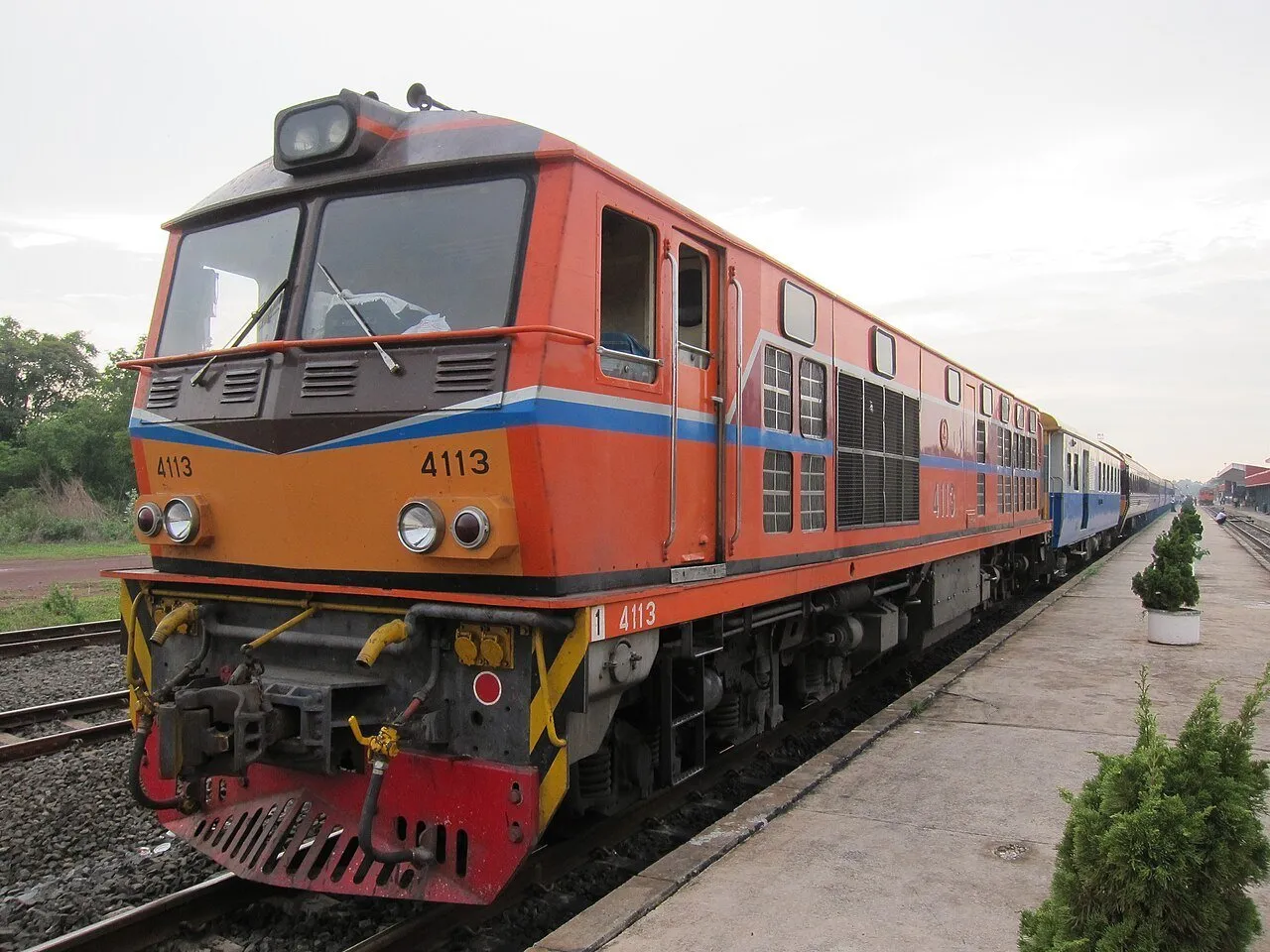
The direct Bangkok–Vientiane service began on July 19, 2024, extending the State Railway of Thailand’s existing Bangkok-Nong Khai route across the border into Laos. Its arrival filled in a surprisingly small but important missing piece of mainland Southeast Asia’s expanding rail network.
Bangkok to Laos overnight
The journey follows Thailand’s Northeastern Line through Nakhon Ratchasima, Khon Kaen, Udon Thani, and Nong Khai before reaching the border.
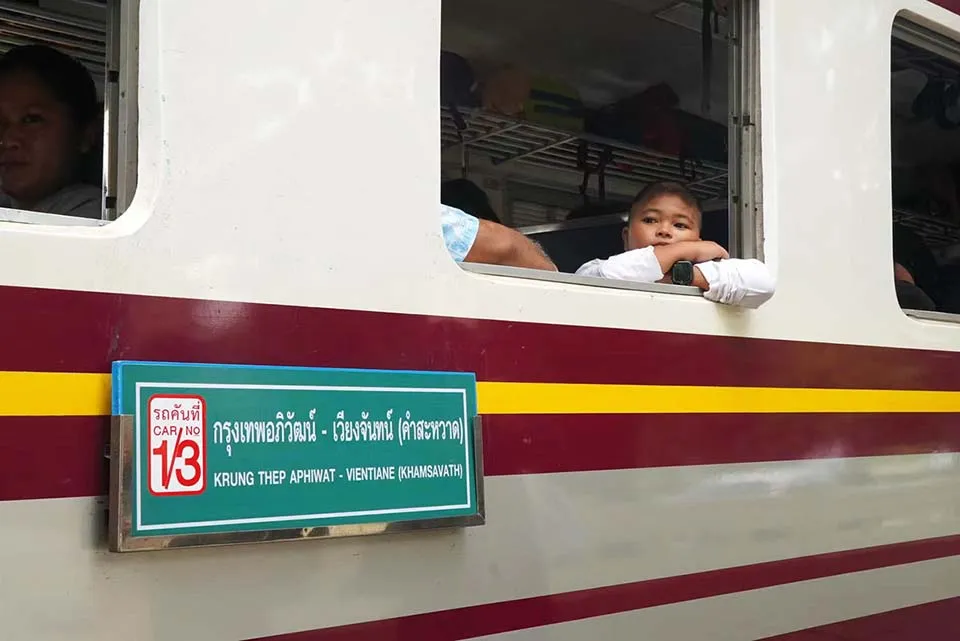
Source: China Daily Official Website
Nong Khai is where the international part of the trip slows down. Passengers complete immigration and customs procedures there before reboarding for the short ride across the Friendship Bridge and into Laos.
When the inaugural service ran in July 2024, roughly 400 passengers left Bangkok on Train No. 133. Border procedures at Nong Khai took around 30 to 40 minutes, according to reports from the first journey, before the train continued for the final stretch to Vientiane.
Khamsavath Station is the end of the line. It sits outside central Vientiane, so travelers continuing into the city need a taxi, van, or other local transport.
For travelers who simply want a weekend in Vientiane, that is where the rail journey ends. For anyone with more ambitious plans, it can be the beginning of a much longer one.
And then, perhaps, China
The Bangkok train does not connect directly onto the China–Laos Railway.
Khamsavath and Vientiane Railway Station are separate stations, so passengers need to make their way across Vientiane before boarding the newer railway north. From Vientiane Railway Station, trains run to destinations including Luang Prabang and onward into China’s Yunnan province.
That makes Bangkok–Vientiane part of a much bigger overland route, even if it is not yet one continuous train ride.
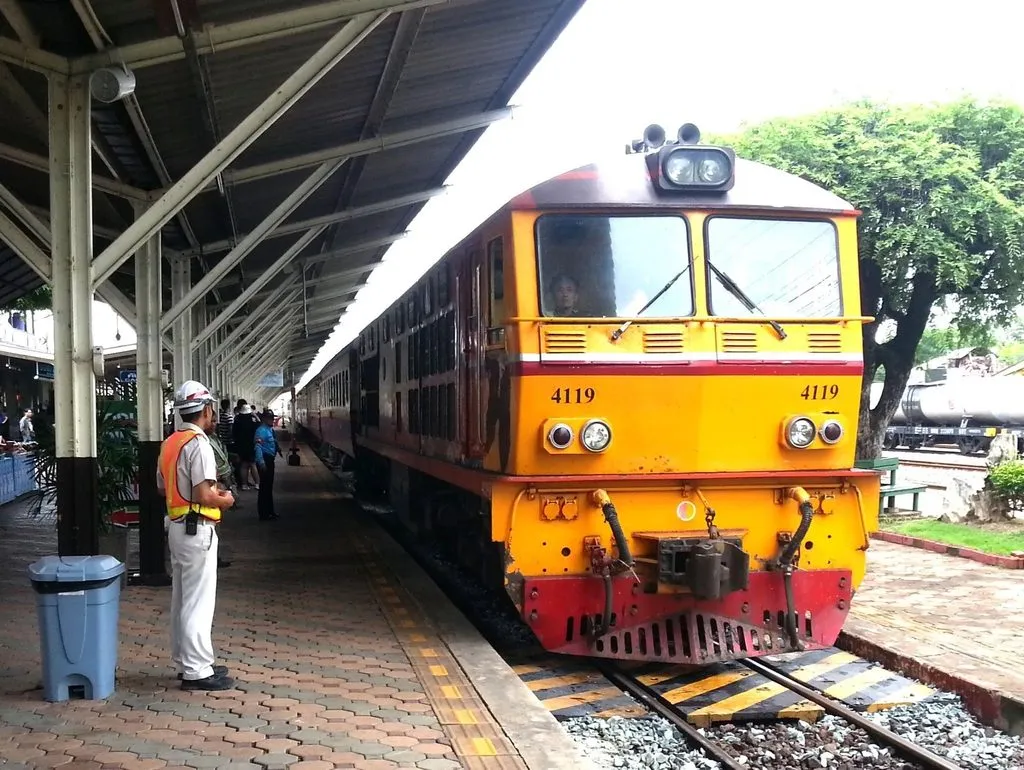
Source: Laos Train Website
The direct service was launched partly to improve tourism between Thailand and Laos, but officials have also talked about it as another piece of better rail connectivity across mainland Southeast Asia. At its launch, Thailand’s Ministry of Transport estimated that the route could carry around 200,000 passengers a year.
For travelers, the appeal is more immediate. Bangkok to Vientiane has gone from a journey that usually involved a flight, bus, or a train followed by another border connection to a single overnight train.
And it is still a very Thai railway experience.
The return journey is Train No. 134, running from Khamsavath Station back to Krung Thep Aphiwat Central Terminal.
It may not yet be the single-ticket Bangkok-to-China railway that maps of Southeast Asia make tempting to imagine. But you can now board a train in Bangkok after dinner, cross the Mekong by rail the next morning, spend the day in Vientiane, and, if you want, keep heading north from there.

 Paul Rujopakarn