

Thailand has officially launched “Thailand FastPass,” a new government mechanism designed to accelerate approvals and permits for major investment projects, as the country seeks to convert a surge in investment pledges into real economic activity.
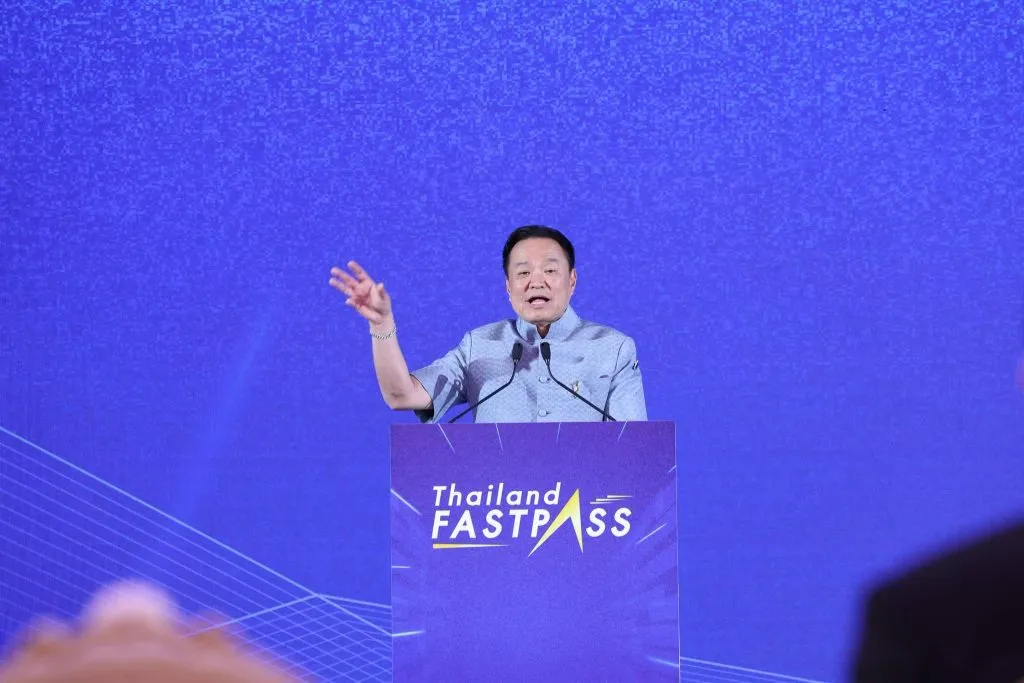
Prime Minister Anutin Charnvirakul presided over the launch ceremony at Government House on June 23rd, 2026, alongside Deputy Prime Minister and Finance Minister Ekniti Nitithanprapas, senior ministers, foreign diplomats, and business leaders.
Broad government backing
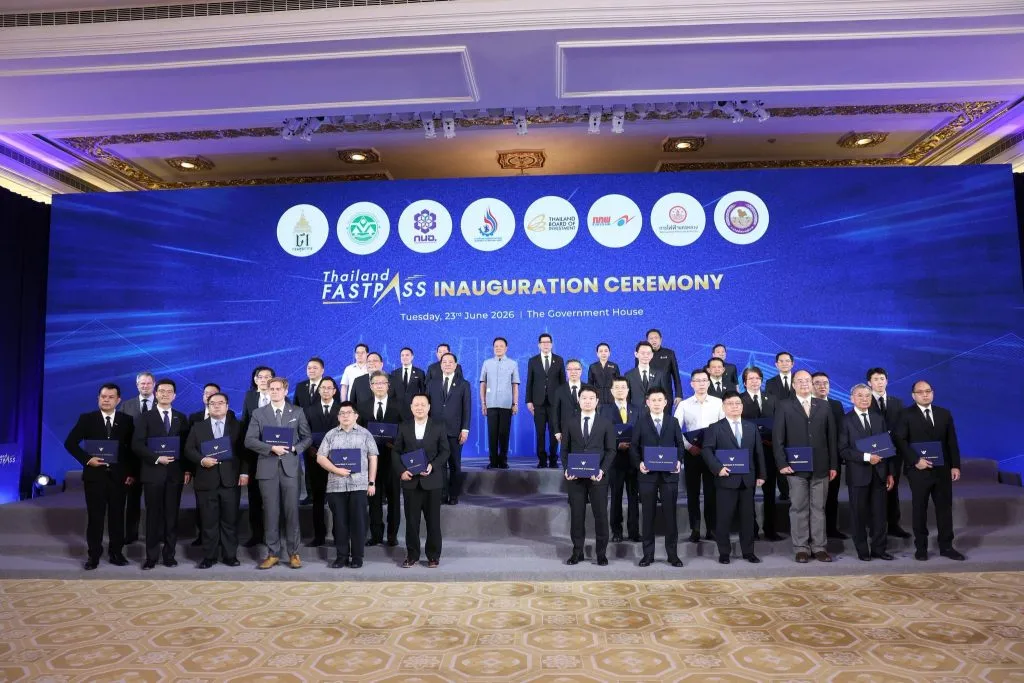
The initiative brings together eight government agencies under a single coordinated framework intended to shorten approval and permitting processes by 20 to 50 percent, helping unlock investments worth more than THB700 billion (approx. US$19 billion).
The eight agencies include the Board of Investment (BOI), the Department of Industrial Works (DIW), the Customs Department, the Office of Natural Resources and Environmental Policy and Planning (ONEP), the Energy Regulatory Commission (ERC), the Industrial Estate Authority of Thailand (IEAT), and the nation’s two main electricity authorities.
Natural Resources and Environment Minister Suchart Chomklin said the mechanism marks a broader shift in the role of government from regulator to facilitator, with authorities pledging faster and more transparent decision-making while maintaining oversight and governance standards.
Speed as a decisive factor
The FastPass initiative emerged from the government’s “Quick Big Win” agenda after officials identified dozens of approved projects that had stalled because of licensing delays, electricity shortages, land constraints, and visa-related issues.
According to the BOI, 76 previously approved projects worth more than THB474 billion have already received assistance in overcoming bottlenecks. An additional 25 strategic projects from 23 companies, representing investments exceeding THB223 billion, have been selected for the first phase of Thailand FastPass and are expected to create more than 13,000 high-quality jobs.
Anutin stated that “speed has become a decisive factor” in attracting investment, as multinational companies diversify supply chains and relocate production bases.
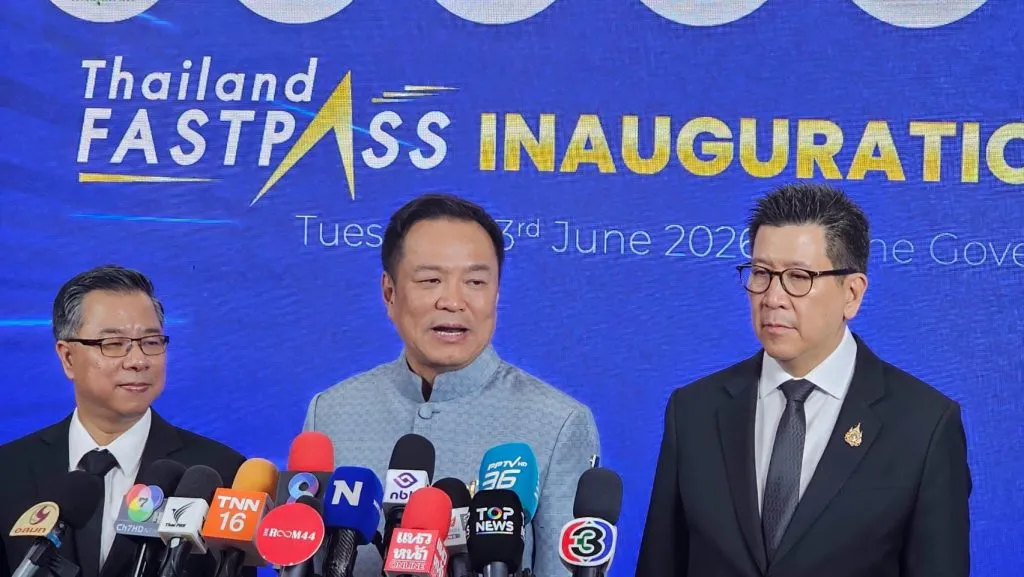
Ekniti, meanwhile, said Thailand received a record THB1.8 trillion in BOI investment applications, with submissions during the first quarter alone surpassing THB1 trillion.
Growth ambitions for future industries

Accelerating investments, the government argues, will generate jobs, strengthen domestic supply chains, and support Thailand’s ambition of becoming a regional production base for future industries ranging from semiconductors and aerospace components to advanced recycling and space technologies.
At the same time, environmental groups have cautioned that faster approvals, particularly for energy-intensive industries such as data centers, could strain water and electricity resources if not accompanied by rigorous environmental and social assessments.
Suchart assured environmental safeguards will remain in place, noting that the new framework aims to improve coordination and efficiency rather than weaken regulatory standards.
The BOI also affirmed the FastPass scheme will continue to prioritize resolving long-standing constraints involving electricity supply, clean energy access, and industrial land availability, issues officials consider critical to sustaining Thailand’s long-term competitiveness.
Competing for the next investment wave
The success of FastPass ultimately hinges on how quickly investment commitments translate into factories, research centers, and high-skilled jobs.
At a time when countries around the world are competing for investment and production relocations, faster, more coordinated approvals will be crucial if Thailand is to secure its place in the next wave of high-tech manufacturing.

 Teerin Julsawad
  Thailand NOW