

What’s in an icon? As part of Thailand NOW’s mission to share authentic insights into all things Thai, we’re spotlighting iconic individuals who have not only excelled in their respective areas, but influenced the complex tapestry of Thailand as it exists today and, in doing so, inspire us to be a part of the fabric of Thai society.
In this Icon NOW interview, Thailand NOW sits down with Pom Bunsermvicha, Director of The Nature of Dogs, a Thai short film that world premiered at the Locarno Film Festival 2024. Pom, along with their Co-writer Nicha Ratana- Apiromyakij, brought the film to life.Pom takes us on their personal journey in the making of this film, the Locarno experience, and this pivotal moment in their filmmaking career.
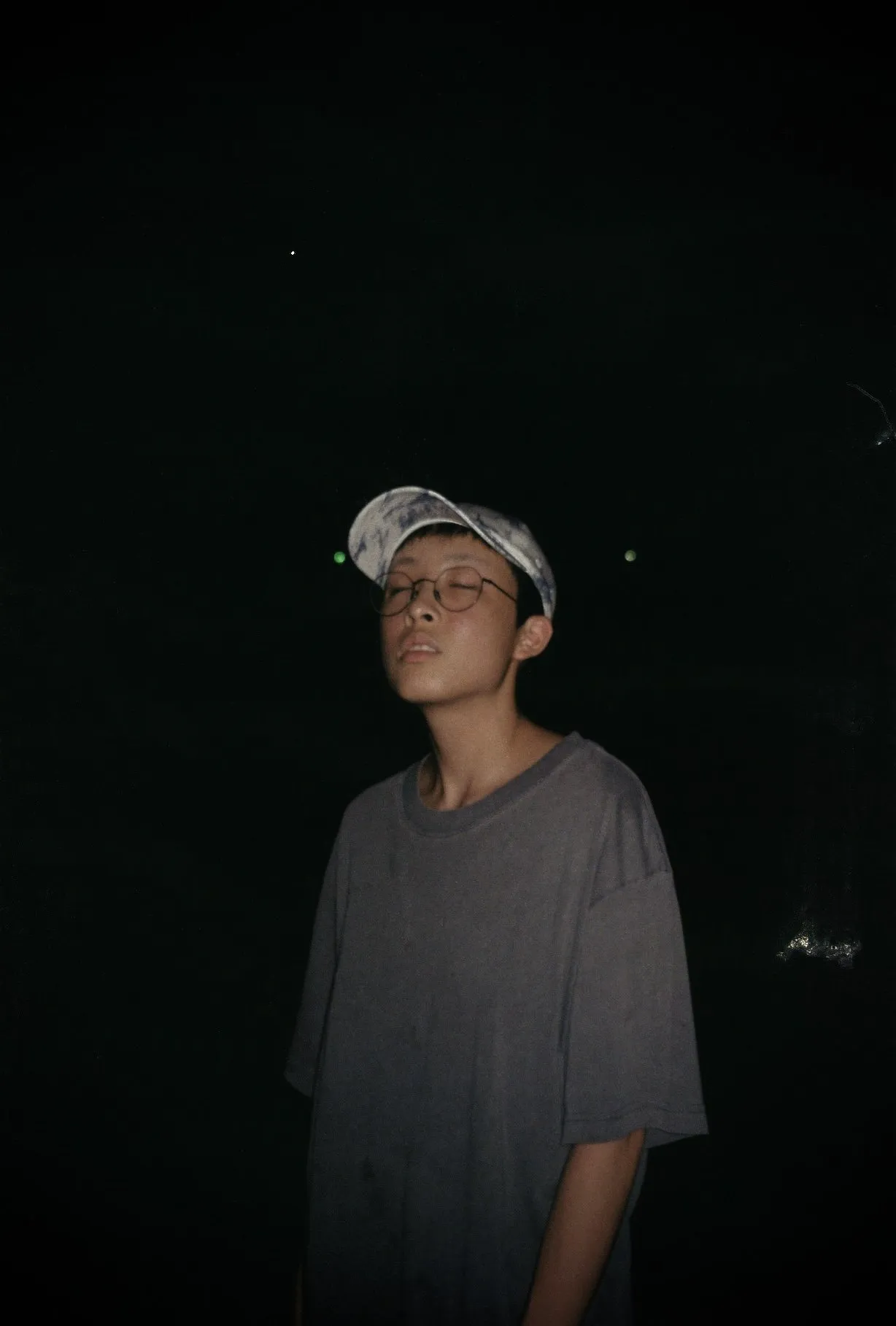
The Locarno Film Festival, founded in 1946, is one of the oldest of its kind that champions independent, auteur, experimental, and avant-garde cinema. Locarno has been joined by Thai independent filmmakers including Apichatpong Weerasethakul, who served as the Jury President for the Festival in 2012, and our icon’s mentor, Anocha Suwichakornpong, whose second feature By The Time It Gets Dark world premiered at Locarno in 2016.
At the 77th Locarno Film Festival which took place this year, a new Thai short film was nominated for the Pardi di Domani – International Competition: The Nature of Dogs (2024) by Pom Bunsermvicha. Pom is the non-binary Thai independent filmmaker known for the critically acclaimed Lemongrass Girl (2021), which was selected for the Ammodo Tiger Short Competition at International Film Festival Rotterdam in 2021. The short film examines power relations and sexism on a film set where a young production manager is tasked with carrying out the lemongrass girl tradition to ward off rain before filming.
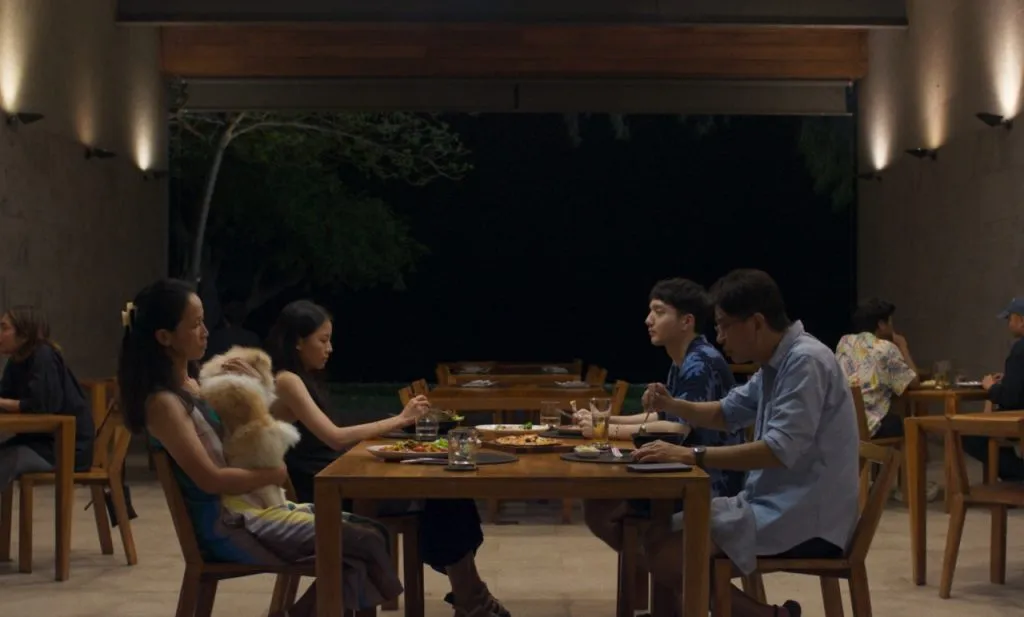
The Nature of Dogs (2024), co-written and directed by Pom, follows a family and their dog on vacation that slowly unravels due to their unspoken tensions. Sleep, prayers, waves, and caves — Pom brilliantly weaves these stylistic elements into their film to convey the complexity of human emotions, the subconscious, and high-context communication. In the film, a family of four vacations at a beachside resort, and their personal baggage shrinks and expands according to how much weight each person carries.
“…there is no way of avoiding pain because that’s how we start to heal.”
When The Nature of Dogs made the Locarno Official Selection, Pom shared the experience with their family and their team.
“When we finished Lemongrass Girl (2021), it was during the pandemic. We could not attend film festivals in person. So being able to attend the world premiere of The Nature of Dogs in Locarno was very special, especially because our families and friends were there as well,” Pom shares.
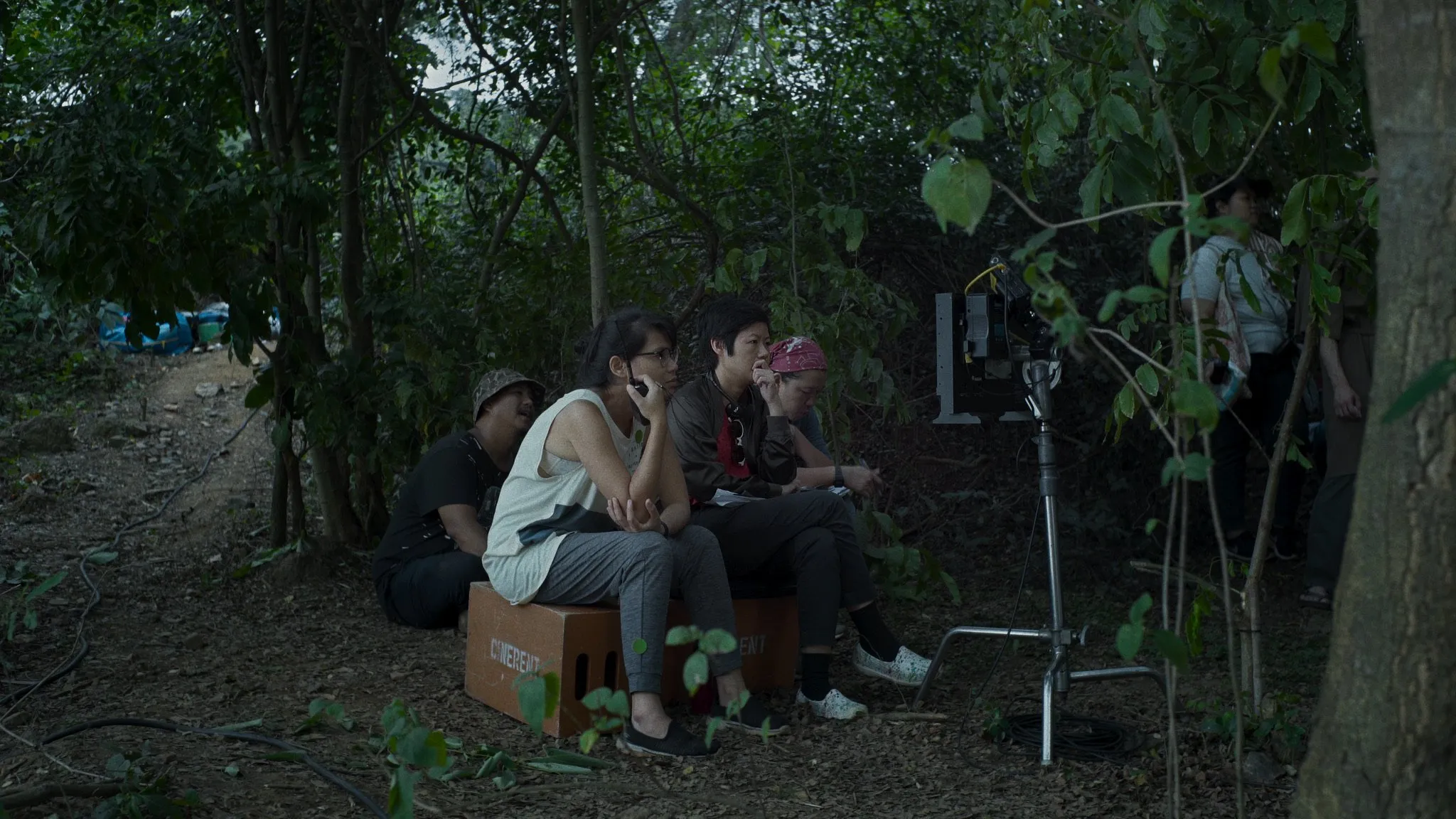
Apart from the beauty of the picturesque town that Locarno offered, another perk was to connect with the network of international filmmakers.
“I had a timely encounter with Iva Radivojević. The day before my premiere, I saw Iva’s film When the Phone Rang, and spent a memorable evening with Iva’s family and friends. It was a night full of love and warmth. Iva was also working on something very personal for her film, and she gave me invaluable advice and wisdom for how to approach mine.”
“Iva told me that there is no way of avoiding pain because that’s how we start to heal, and how we begin to have a dialogue,” the director relates.
Regardless of what one’s relationship is with one’s family, The Nature of Dogs is an introspective short dedicated to the people who made us who we are.
“In many moments, making this film was painful to me.”
Caves, stairways, and door frames — all of which are regarded as thresholds in Thai cultural and spiritual beliefs — are seamlessly explored in The Nature of Dogs. As with Lemongrass Girl, Pom exhibits a distinctive Thai dimension to storytelling that shines through in everyday observations. The cave, for example, acts as a proxy for the womb and the subconscious. Beneath the intellectual veil of the film, however, lies the actual emotions stirring within the filmmaker.
During an acting workshop where actress Chayanit “Pat” Chansangavej took on the role as the daughter “Pim,” Pat confided in Pom that she had reached an emotional height where being Pim felt incredibly lonely. That was when Pom realized something about their film and themself.
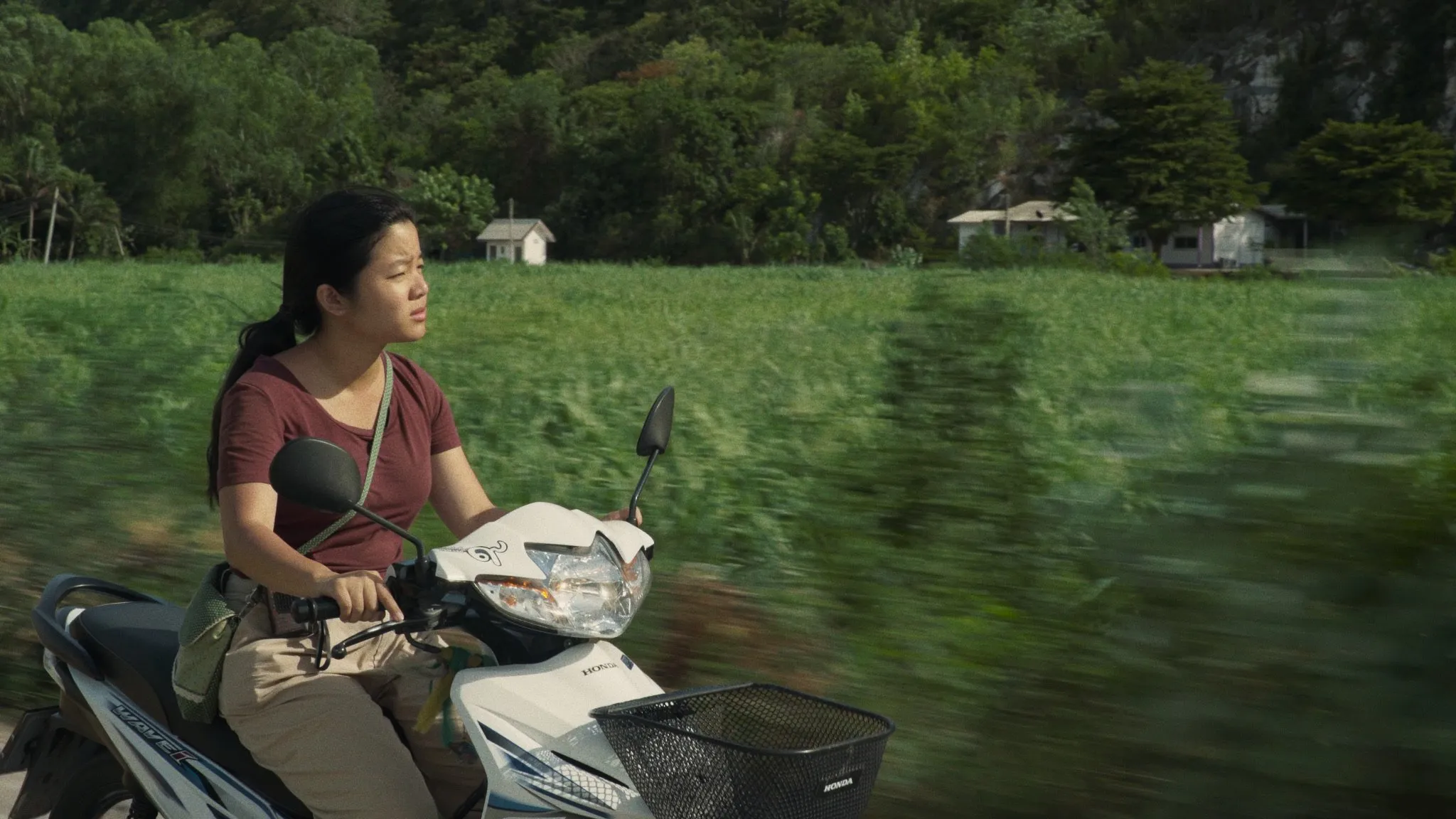
“Pat has this instinctive ability to connect to and work with her body. I learned from working with Pat that somehow she and I shared a common language. Pat acts with her body, and I direct mine. ” says Pom. This language is reflected in Pom’s directorial decisions.
“I also didn’t know, until I worked on this film, that even though there is an intellectual side to me, the entire process of making this film I felt everything so deeply. In many moments, making this film was painful for me. Many times I felt numb. And eventually, the film started to feel neutral, where I felt [something], but not so much of the pain anymore. So that’s when I realized I’ve healed in the process,” Pom states.
“By the time we finished shooting, I’m already someone else.”
With Lemongrass Girl, Pom explored lemongrass as food, as a superstitious offering, and as a cultivated crop; and women as the rain bearer and warder, as gardeners, as an agent, and as a subject. In The Nature of Dogs, Pom uses a remarkably articulate visual language of thresholds, blockages, barriers, leakages, and layers to parallel the characters’ dialogue.
While the director has mostly retained their stylistic storytelling across the two short films, the scale of The Nature of Dogs was much larger, and the three-year gap between the short films meant that they had also changed as a person.
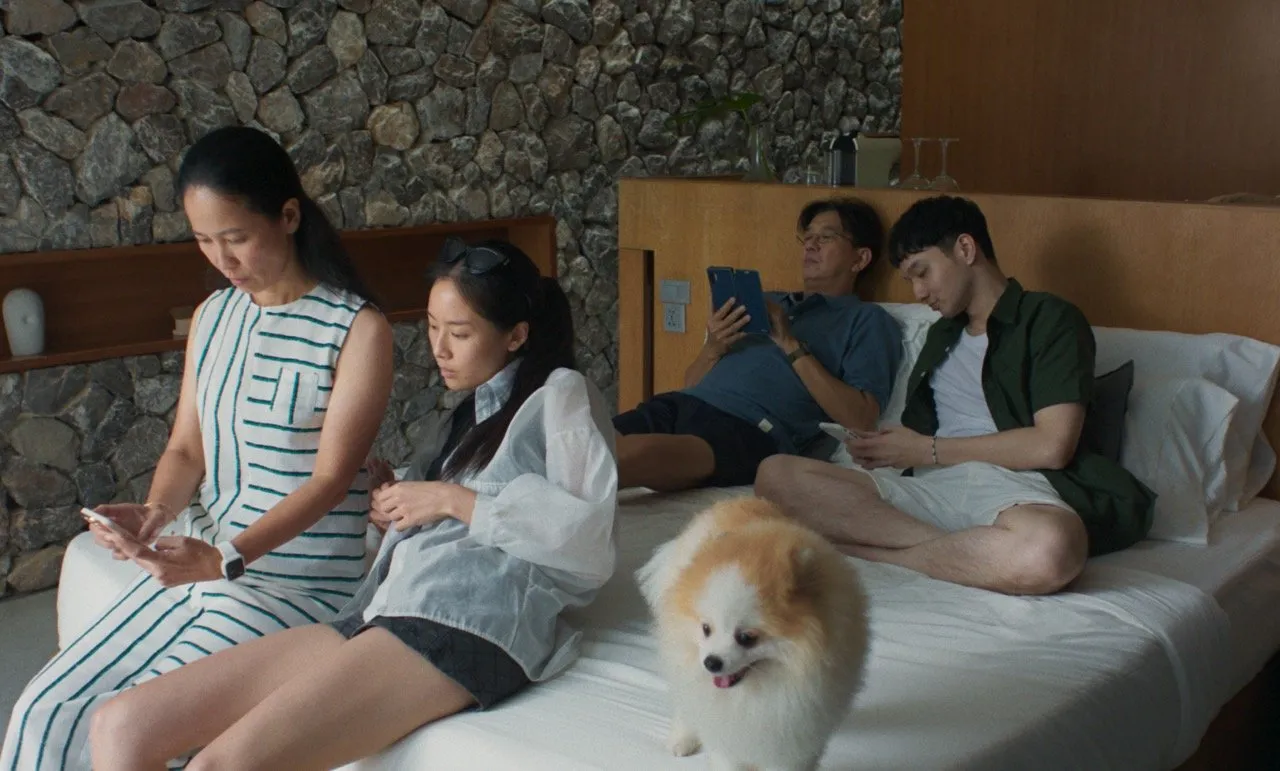
“I didn’t realize that change was happening so quickly. We wrote the film, and fundraised for it. We began pre-production with acting workshops, production logistics and planning. At the same time, I went through many transformations during those three, four months. By the time we finished shooting, I’d already transformed. So I discovered later that the hardest part was the editing process. We had to find a way to work with old material, and re-edit the film from a very different perspective. My editor Dina Karaman is credited with this impressive feat,” says Pom.
Was it all worth it? The short became a journey from the world that Pom readily left behind, in a good way.
“I was really coming to terms with my non-binary identity.”
Beyond the sheer talent the filmmaker possesses, Pom has something else that filmmakers and creatives vie for: the guts to do it. Their ability to construct a world that was true to them during a period of time, and in so doing, cleared a path they knew they were on all along, was special.
“I was coming to terms with my non-binary identity; all these questions that I’m thinking about now. I’ve also been contemplating lately how in many ways this film was heavily conceptualized in a binary framework. Nature versus order, for example. And so many elements in this film are forces of opposites,” explains Pom.
“The way we treat nature, such as stones on the hotel walls and the rocks on the caves. The structure of the film itself, even. Coming out of this binary framework happens through creating work that completely expresses all that is binary,” Pom asserts.
Referring to the calm ocean with waves drifting ashore in the film, the director says, smiling, “I think from now on, the opening of the cave, the shadow of the leaves on the wall, and the open landscape is where I am going. I am leaving that [binary] world behind.”
The Nature of Dogs is expected to have its Thai premiere next year in 2025.

 Paul Rujopakarn
  Teerin Julsawad