

Cultural exchanges between Thailand and the Republic of Korea date back to the late 14th century when an envoy from the Kingdom of Siam was sent to the Goryeo Dynasty. The two nations, now artistic powerhouses of East and Southeast Asia, have continued to foster cultural ties with the ACCESS BANGKOK Art Fair held from December 5th–7th, 2024 at ICONSIAM.
Bo Young Song and Mirim Lee, co-founders of the fair, recognize Bangkok as the heart of Asia. Where else in the world could you view a Louise Bourgeois piece in a 16th-century Buddhist temple?
Authentic cross-cultural dialogue
The ACCESS BANGKOK Art Fair was the first for Thailand to house artists and galleries of this magnitude, representing Thailand, South Korea, as well as many other East and Southeast Asian nations. The scale of Thailand’s premiere international art fair underscores that cultural exchange remains a driving force in contemporary dialogues.
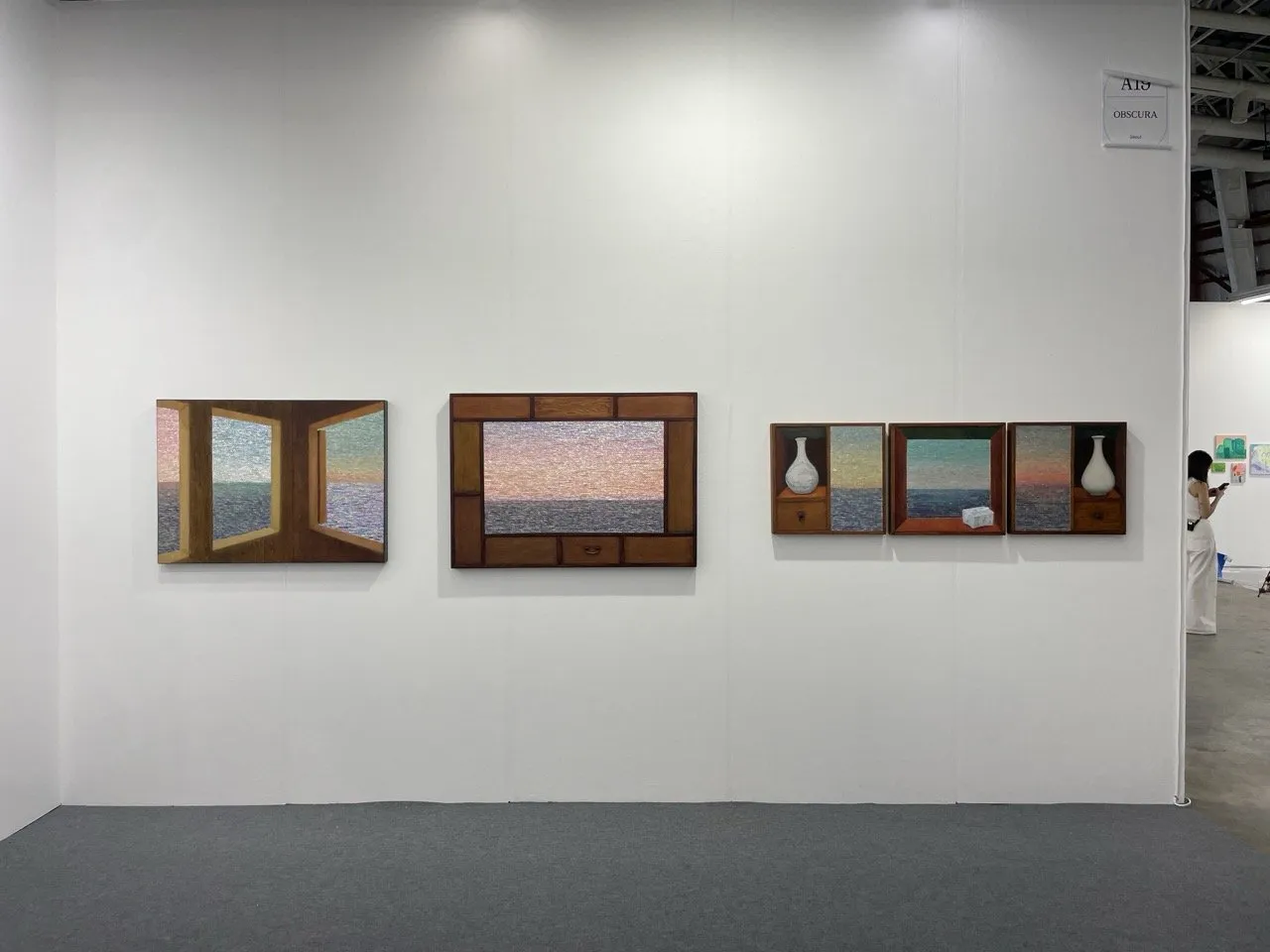
ACCESS was able to organically foster conversations between renowned and emerging artists regardless of whichever corner of Asia they come from. Here, national pioneers such as Rirkrit Tiravanija and Udomsak Krisanamis (presented by Gallery VER) and contemporary veterans like Korakrit Arunanondchai (presented by Bangkok CityCity) had their works appear alongside Duck Yong Kim (OBSCURA Gallery) and Jiun Koo (Gallery SoSo). Korakrit himself referenced Korean shamanism in Songs for Dying (2021) for the 13th Gwangju Biennale.
As a Thai viewer, Duck Yong Kim’s Korean mother-of-pearl techniques resonated with me due to the similar craftsmanship employed in Thai palaces. In viewing Koo’s Prayer, red to orange (2022), I was reminded of the joss sticks and candles that would light the silhouette of a Thai worshipper during evening prayers.
Bangkok’s appeal to contemporary arts
Historically, Asian art is viewed as being contingent or reflexive to its Western counterpart. However, with the rise of Asian art hubs in recent years such as Frieze Seoul established in 2022, Art SG in 2023, and Sotheby’s and Christie’s headquartering in Hong Kong, the Asian arts and culture scene is rising.
Bangkok, undeniably, has a unique appeal to the scene. The hub is economically viable, as a plan to promote art exhibitions in Thailand nationwide with potential waivers and tax reductions under review was recently approved by the cabinet.
The cosmopolitan metropolis is also home to a rich diverse cultural tapestry that breathes life into its art scene. Shrines, cultural heritage sites, flower garlands, skyscrapers, canals, gold lacquerware, and enamels — walking around Bangkok, you could be forgiven for wondering if you’re seeing an art piece or installation. ACCESS BANGKOK, set along the city’s skyline and riverview, created a successful dialogue with the city.
Thailand’s dialogue with East Asian contemporary art
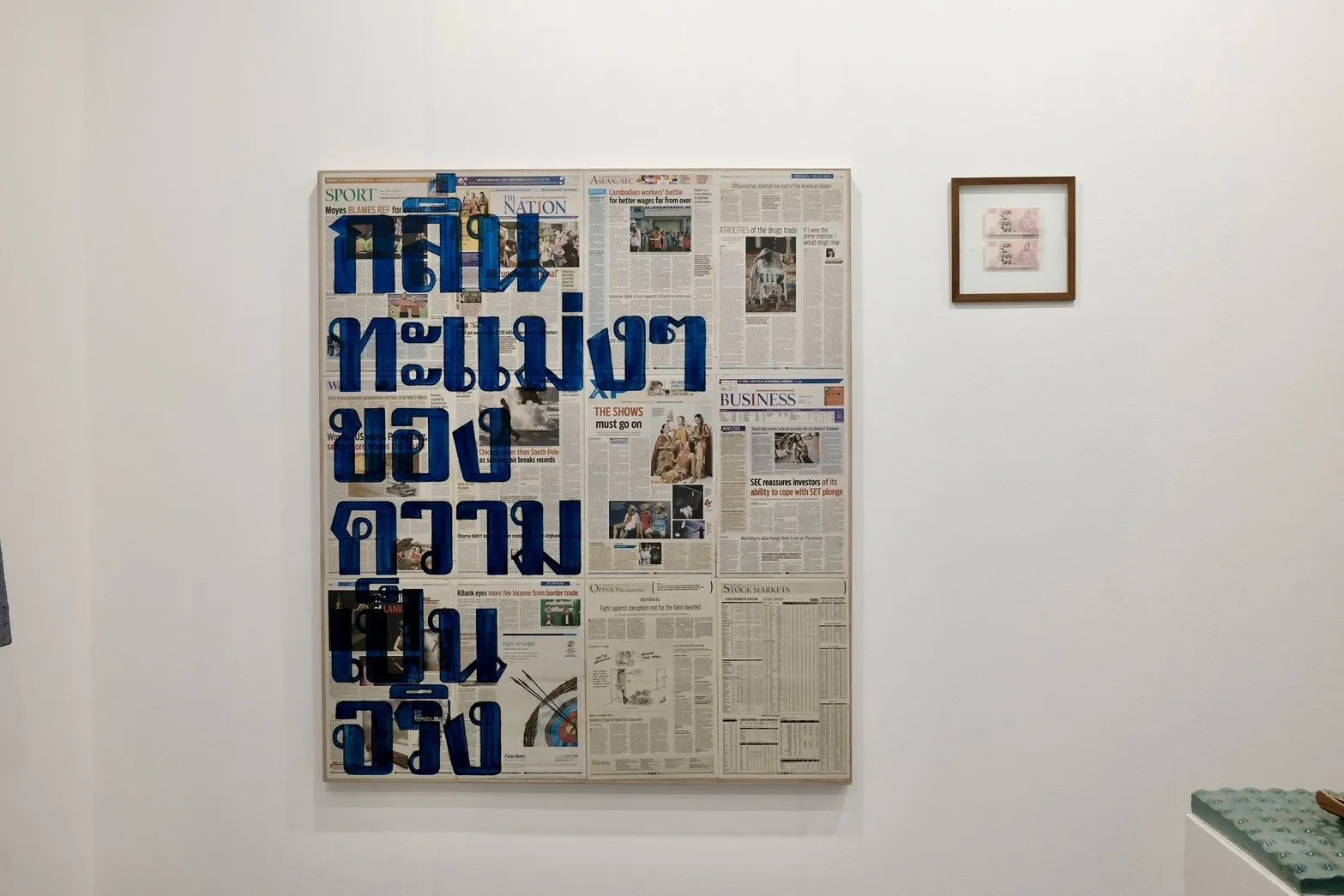
Sung Neung Kyung’s renowned Venue series (1979 – Present), for example, lends itself to the backdrop of the Chao Phraya River, where the Neo-Palladian 1888 Old Customs House by Joachim Grassi stands proud as the newly renovated Langham Bangkok. Its restituted glory, set against Sung’s assemblage of black and white press photographs detailing the Korea that once was, creates an unnerving nostalgia, a clear memento mori of historical undoings, and the hope of time.
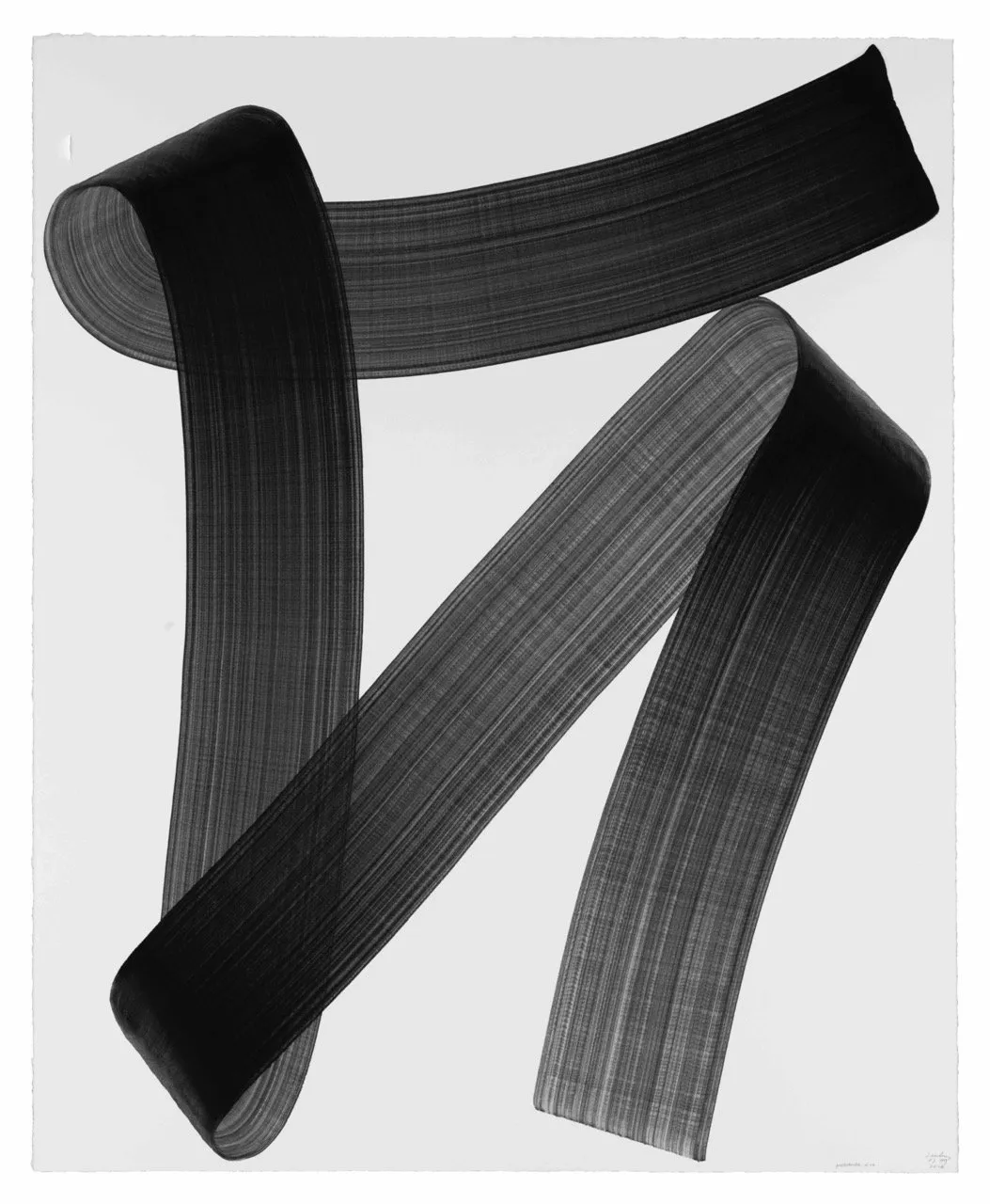
Lee Bae, who recently presented ‘Moonhouse Burning’ (La Maison de la Lune Brûlée) at the Venice Biennale, allowed the references to Korean folk traditions of harvest and warding off evil spirits to find its place in the ritualistic Bangkok. Lee’s hallmark use of charcoal, the East Asian symbol of spirituality, guardianship, and purification, neatly fitted a city where talismans and yantras are common. The artist’s harmonious, tranquil equilibrium of Brushstroke-N10 (2024) may remind one of the Urna, a spiral or circular dot generally found among Thai auspicious items.
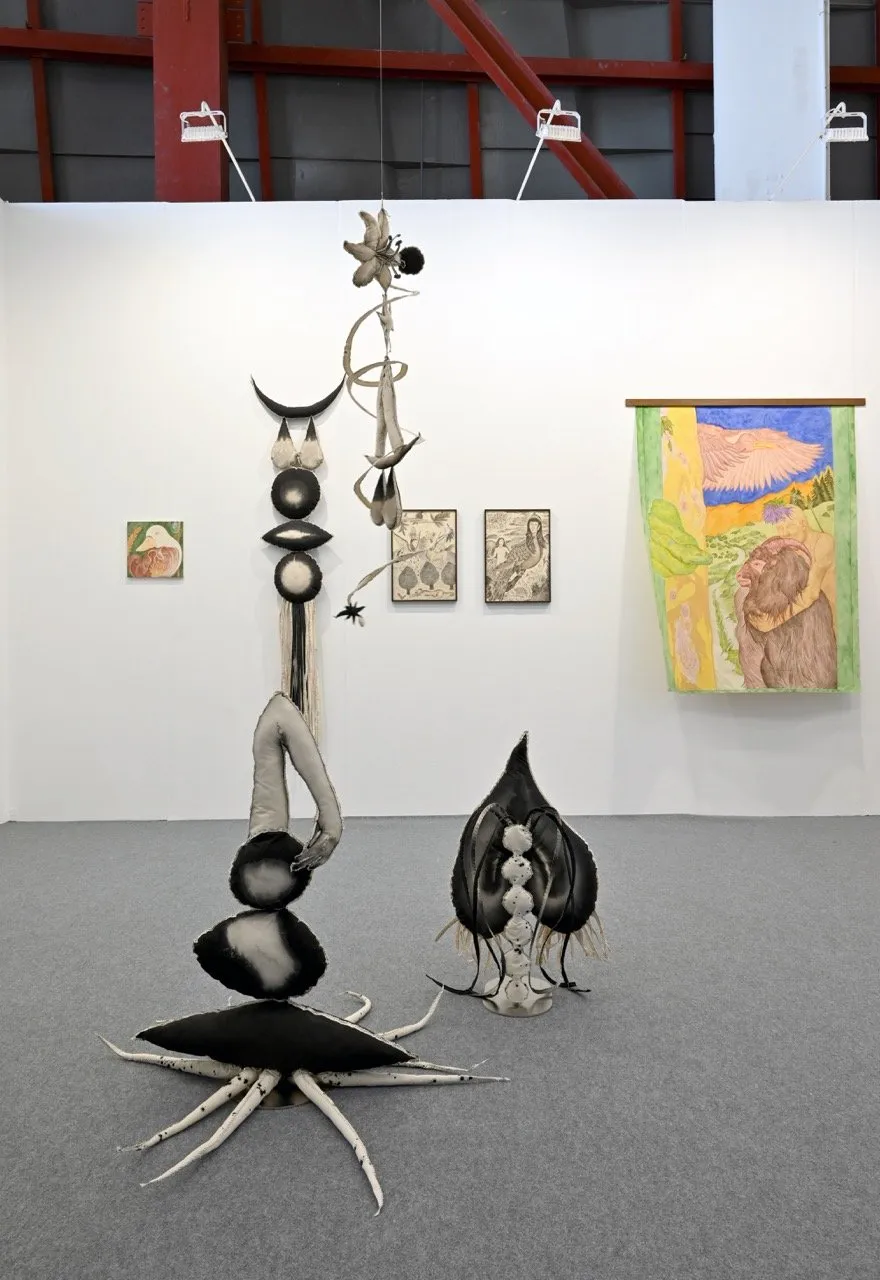
Han Sang-a’s Small Void Pagoda 2 (2023) is a granular take on finite experiences. The soft sculpture depicts hands in a prayer aligned within the linear pagoda-like shape, with a star atop and teardrops on the bottom as if wishing on a star; revealing sacred spaces within.
The first of more to come
When asked about their experience of the Fair, A-lounge Contemporary Associate Director Dahye said, “ACCESS BANGKOK was a truly special experience for us. It was meaningful to see works from some of Thailand’s leading galleries — offering a unique chance to experience them in person — and to have the opportunity to directly engage with gallerists, including directors. I was able to exchange diverse perspectives on the various artworks and explore possibilities for collaboration through networking with art professionals on-site. It was also an invaluable chance to closely observe the flow of the Thai contemporary art scene.”
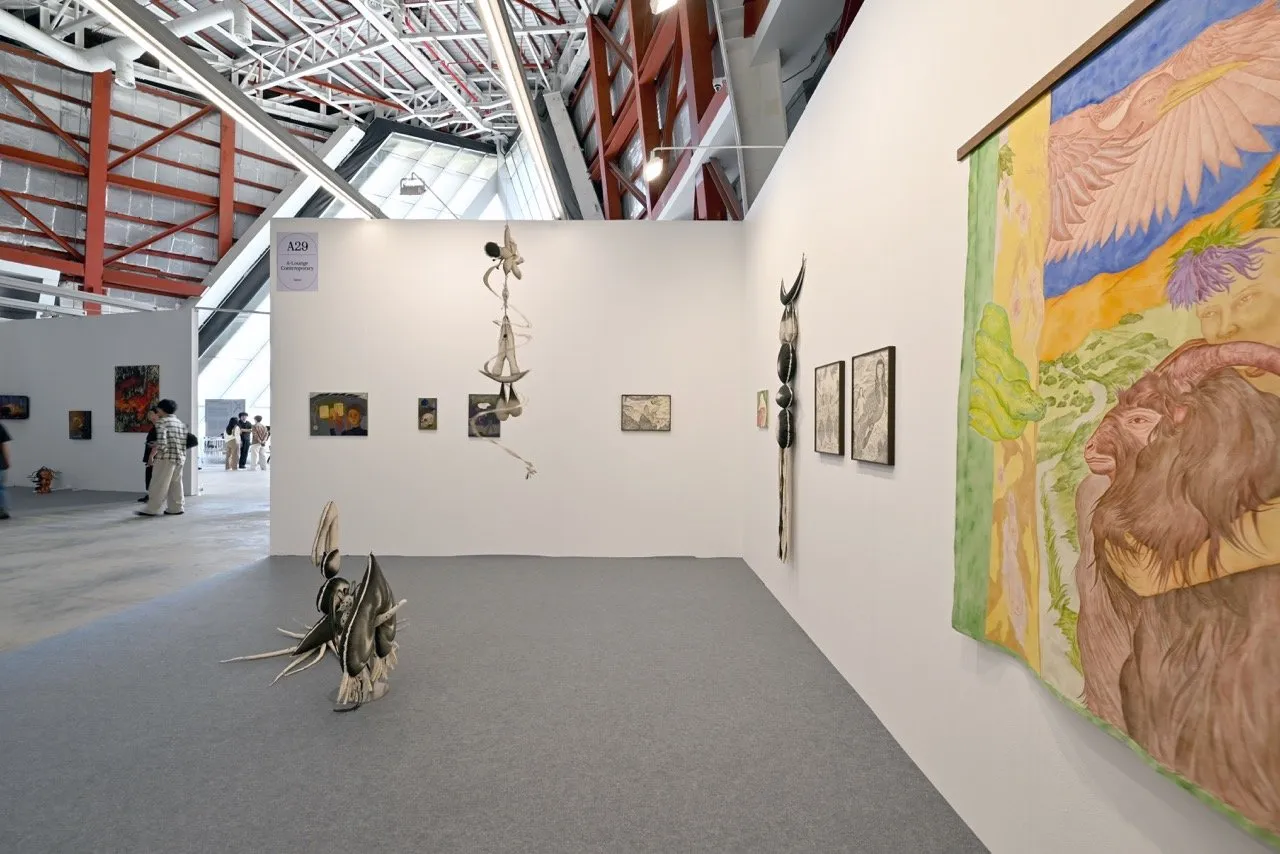
For Dahye, the Thai-South Korean collaboration extends beyond the Fair’s first edition. “Even before participating in ACCESS BANGKOK, several of our represented artists had shown interest in Thai contemporary art and expressed a desire to take part in residency programs in Thailand. This opportunity has strengthened our hopes of collaborating with Thai galleries through exchange exhibitions and similar initiatives,” Dahye revealed.
According to Bo Young Song, Founder and CEO of Artue and co-founder of ACCESS BANGKOK, the Thailand-South Korean synergy for contemporary art is unmatched.
“The collaboration between Thailand and South Korea is a perfect synergy, combining the unique and complementary strengths of both nations. South Korea has already established itself as a major player in the global art market through successful platforms such as KIAF and Frieze Seoul. Its sophisticated contemporary art ecosystem and pioneering approach to digital innovation align seamlessly with Thailand’s rich cultural heritage and its art market, which is now on the verge of explosive growth,” Bo said.
When asked about any future initiatives, Bo Young Song reassures that there are a lot in store. “ACCESS BANGKOK is just the beginning of a broader vision. Building on its success, we plan to go forward with a more evolved version of the Art Bangkok International Fair, integrating lessons learned from the inaugural event. Additionally, we are exploring new markets in regions like East Asia, Middle East, and Scandinavia to create global opportunities for regional artists and local galleries. Our goal is to further innovate through digital transformation, such as immersive exhibitions and blockchain-based art transactions, ensuring that art becomes more accessible and engaging for everyone.”

 Paul Rujopakarn
  Teerin Julsawad