

From sea turtles to tigers and elephants, Thailand is blessed by a wealth of diverse wildlife that have served the country through history and remain an essential part of its identity. Today, genuine and professional efforts are being carried out throughout the nation to ensure its wildlife continues to thrive.
Let’s dig into how animal sanctuaries, conservation centers, and preservation programs are helping to ensure the future of Thai wildlife and how they are also proving immensely important to the country’s tourism and economy.
Animal conservation is a national effort
It could be said Thailand was destined to care for wildlife, considering it has been so endowed with them. According to the UNDP’s Biodiversity Finance Initiative Thailand “is one of the most biodiverse countries in Southeast Asia” as “9% of all species currently known are found in the country.”
The quantity and variety of animals in Thailand has been a boon to it throughout history, from those that served beasts of burden in the olden days to the colorful creatures that make it a must-visit global destination in modern times.
Unfortunately, the Convention on Biological Diversity pointed out that “threats to biodiversity in Thailand include illegal hunting, crop and forest burning, livestock overgrazing, forest clearance/illegal logging, destructive fishing practices […] coral bleaching, and the loss of wetlands.”
The Department of National Parks, Wildlife, and Plant Conservation (DNP) was established in 2002 to hone the nation’s natural conservation effort. The creation of the agency signaled the government’s acknowledgement that conservation of natural areas and the animals that lived within them deserves clear attention, elevating the matter to a national agenda.
Thai elephants: Protecting the national symbol
Serving on farms and even acting as royal mounts during times of war, elephants have been essential to Thailand in myriad dimensions. It is only fitting then that the nation would excel in providing protection and support to its symbol.
The Thai Elephant Conservation Center in Lampang was founded under Royal Patronage of Her Royal Highness Princess Maha Chakri Sirindhorn in 1993. Notably, the center evolved from a world-renowned training center for elephant calves set up in 1978 to prepare young elephants employed in forestry work. When a decree ended logging and the use of pachyderms, the facility’s purpose turned to rescuing and caring for the animals.
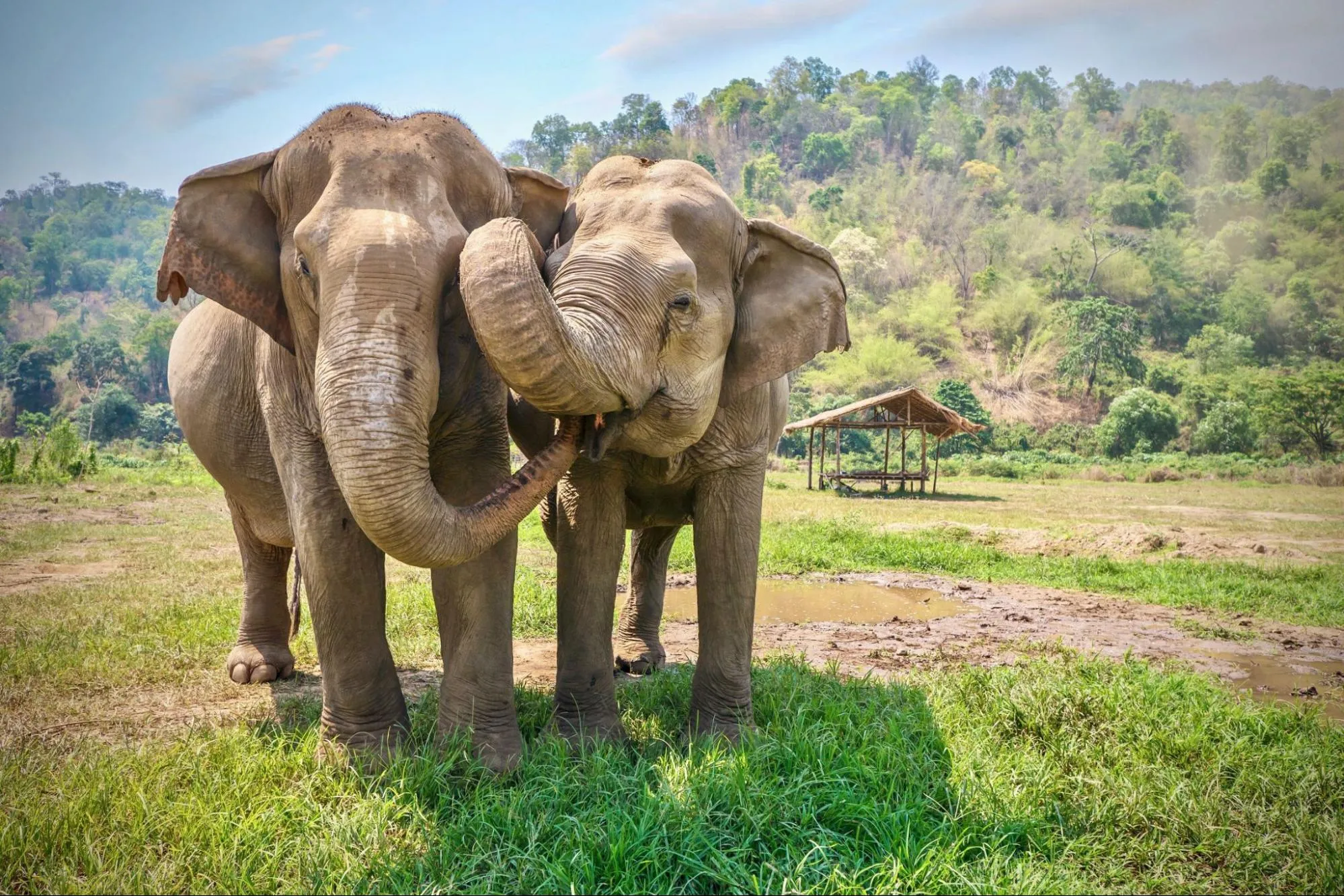
Once capacity was reached at the original location, the Ministry of Agriculture and Cooperatives granted 777 acres to establish the Thai Elephant Conservation Center, which today houses over 50 elephants, including 10 royal white elephants. The center’s work has expanded over the years to include research, the preservation of cultures involving elephants, and educational tourism.
Privately founded in 2019, the Pattaya Elephant Sanctuary’s mission is “to provide a caring home for elephants where they can live as naturally as possible and are respected by guests.” The sanctuary has become a major attraction for visitors to the popular vacation town of Pattaya, showing that there is a way to harmonize commercial tourism and animal conservation.
Tourism-led conservation in Thailand
Beyond elephants, tourism has come to be crucial for the entire animal conservation effort in Thailand, funding the establishment of wildlife sanctuaries.
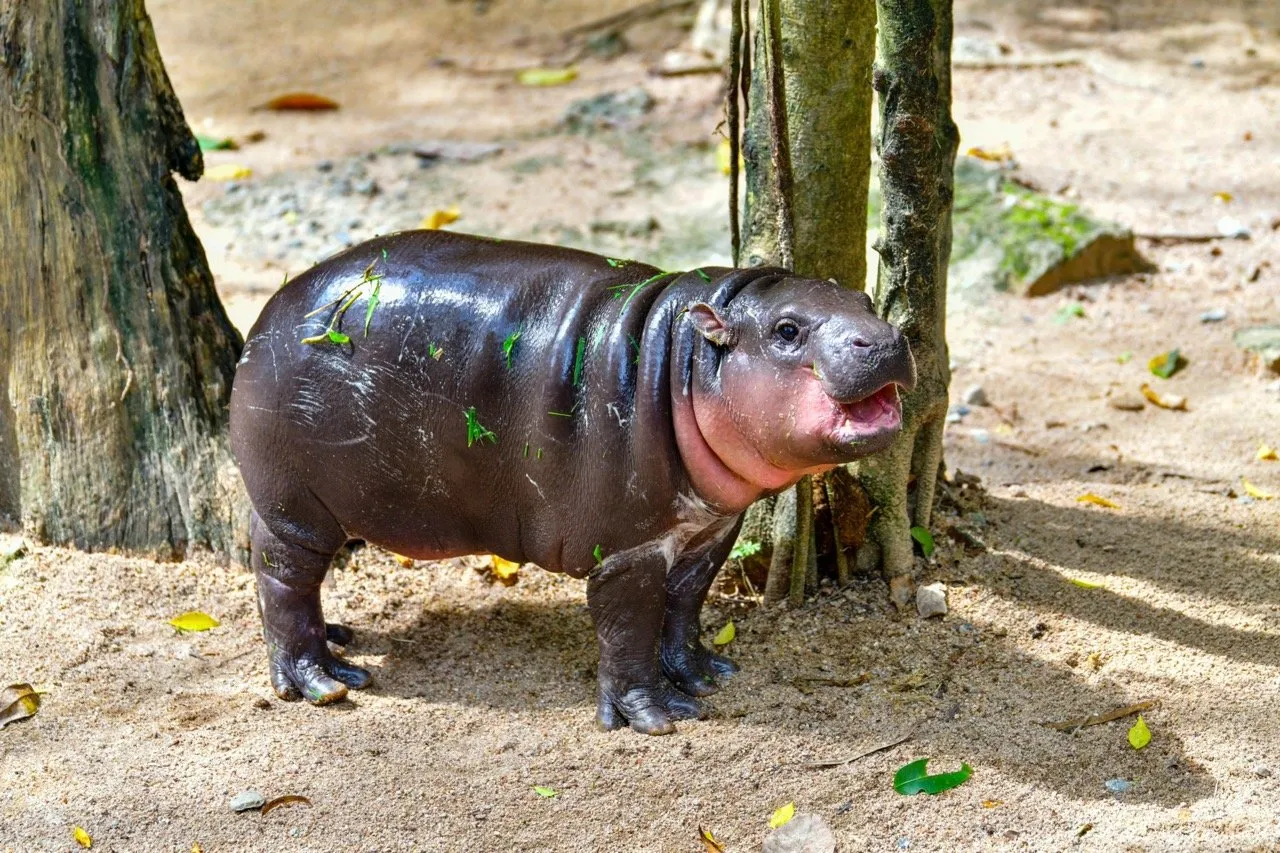
One of the clearest examples is Moo Deng, the feisty pygmy hippopotamus that has taken the world by storm.
She and her family are at the Khao Kheow Open Zoo, which has seen visitor numbers skyrocket from 600-700 people to over 10,000. Aside from having her own cryptocurrency, Moo Deng has been trademarked so that any profits made of her image go towards funding animal welfare in Thailand.
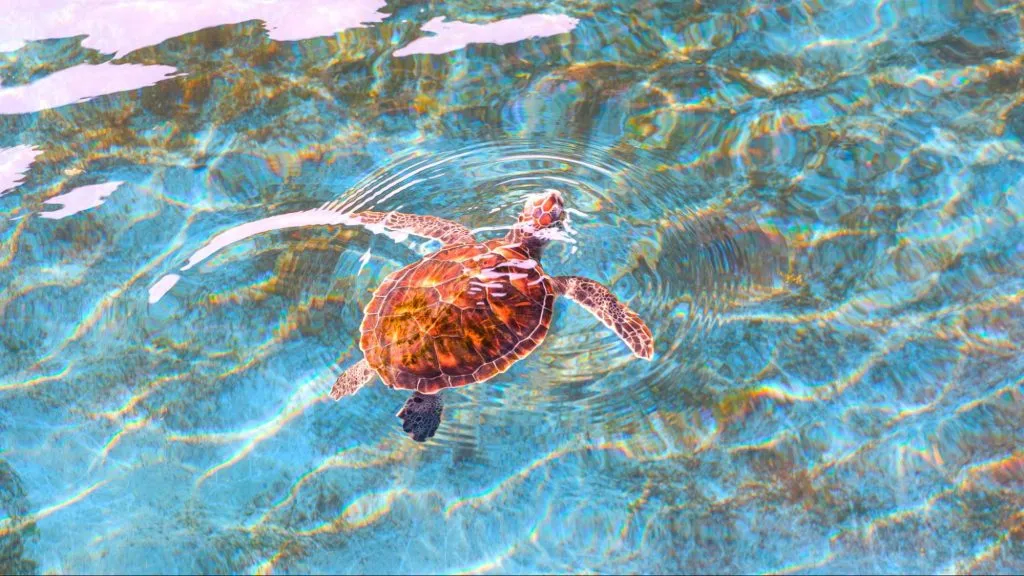
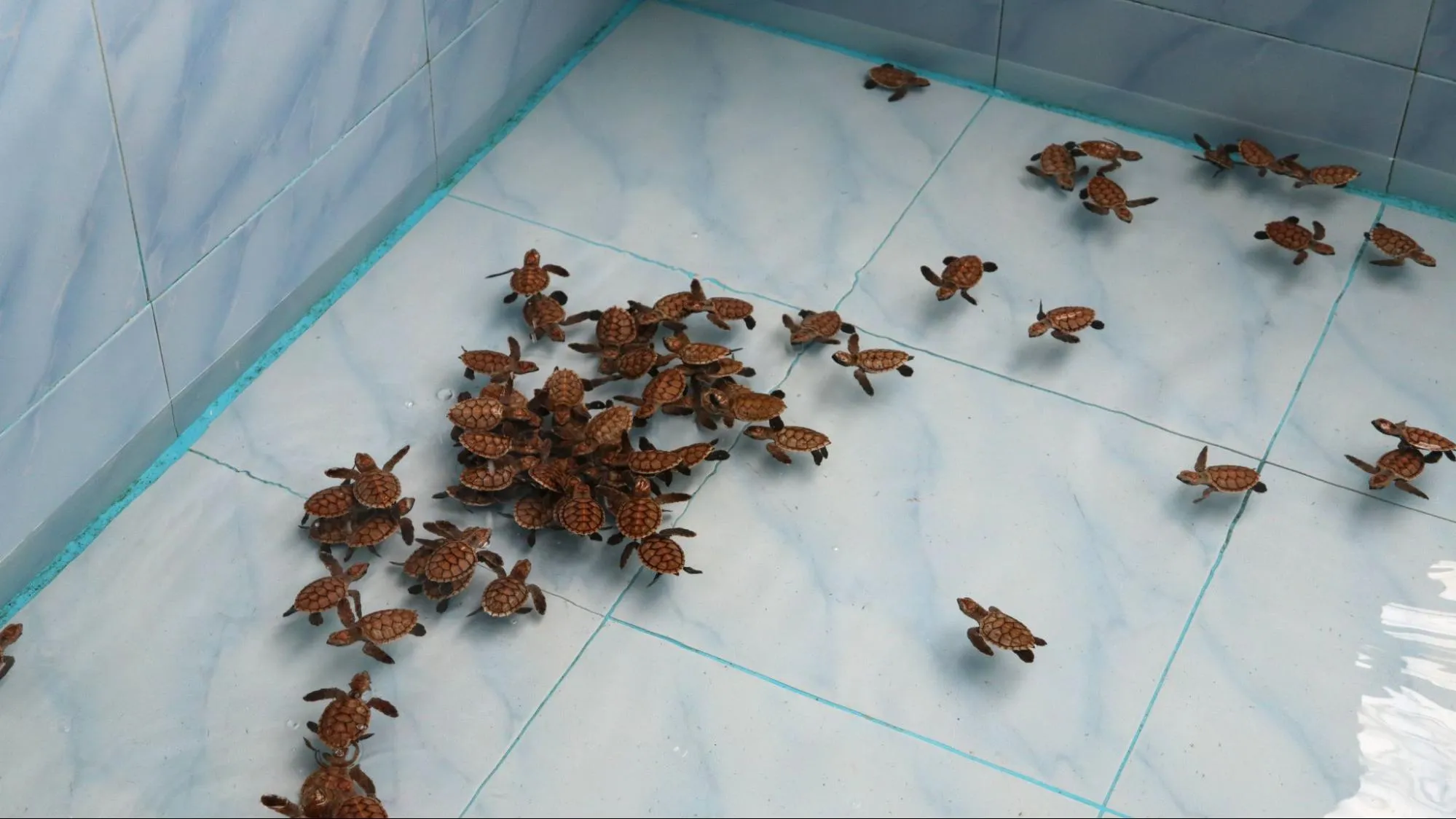
On the marine side, there’s the Royal Thai Navy Sea Turtle Conservation Center. Since the 1950s, the hatchery has nursed sea turtle eggs to support their populations, steadily becoming a fixture of the tourism scene in Chonburi. Widespread interest has helped the center grow over the years into a major base tending to the needs of sea turtles.
Private sector interest has even led to independent efforts being started, such as the New Heaven Reef Conservation Program located on Koh Tao, Surat Thani. For over a decade, the Conservation Diver Foundation-backed program has nurtured coral reefs off the land, an essential ecosystem for aquatic wildlife such as giant clams and sea horses.
Even for-profit entities have been moved to contribute to conservation. JW Marriott Khao Lak Resort Suites initiated its Bamboo Shark Nursery & Conservation Center in 2023. Collaborating with Oceans for All Foundation, the project is a dedicated marine sanctuary for the Andaman Sea’s threatened bamboo sharks that also offers experiences to the resort’s guests.
Similarly, Pattaya pool villa resort MASON, has been conducting annual animal conservation activities since 2019. Part of its “MASON BETTER TOGETHER” campaign, the accommodation contributes manpower to the Royal Thai Navy Sea Turtle Conservation Center and joins in its release of hatchlings into the sea.Working directly with the DNP, major conglomerate B.Grimm Power has been supporting the Save the Tigers project, expanding the wild tiger population in Kamphaengphet and Tak provinces to reinforce Thailand’s environment as a whole.
Ensuring a home for Thai wildlife
Tasked by the Thai government with safeguarding native animals in the country, the DNP operates three Wildlife Rescue Centers to fulfil its mission.
Located in Nakhon Nayok, Krabok Ku in Chachoengsao, and Pratap Chang in Ratchaburi, the centers rescue injured or ill wildlife and rehabilitate them. It also coordinates related efforts for animals in need while compiling a database of fauna in Thailand to inform policymaking that would benefit creatures in the wild. Their work often involves taking on animals that were abandoned, illegally obtained, or even those left without a home due to deforestation.
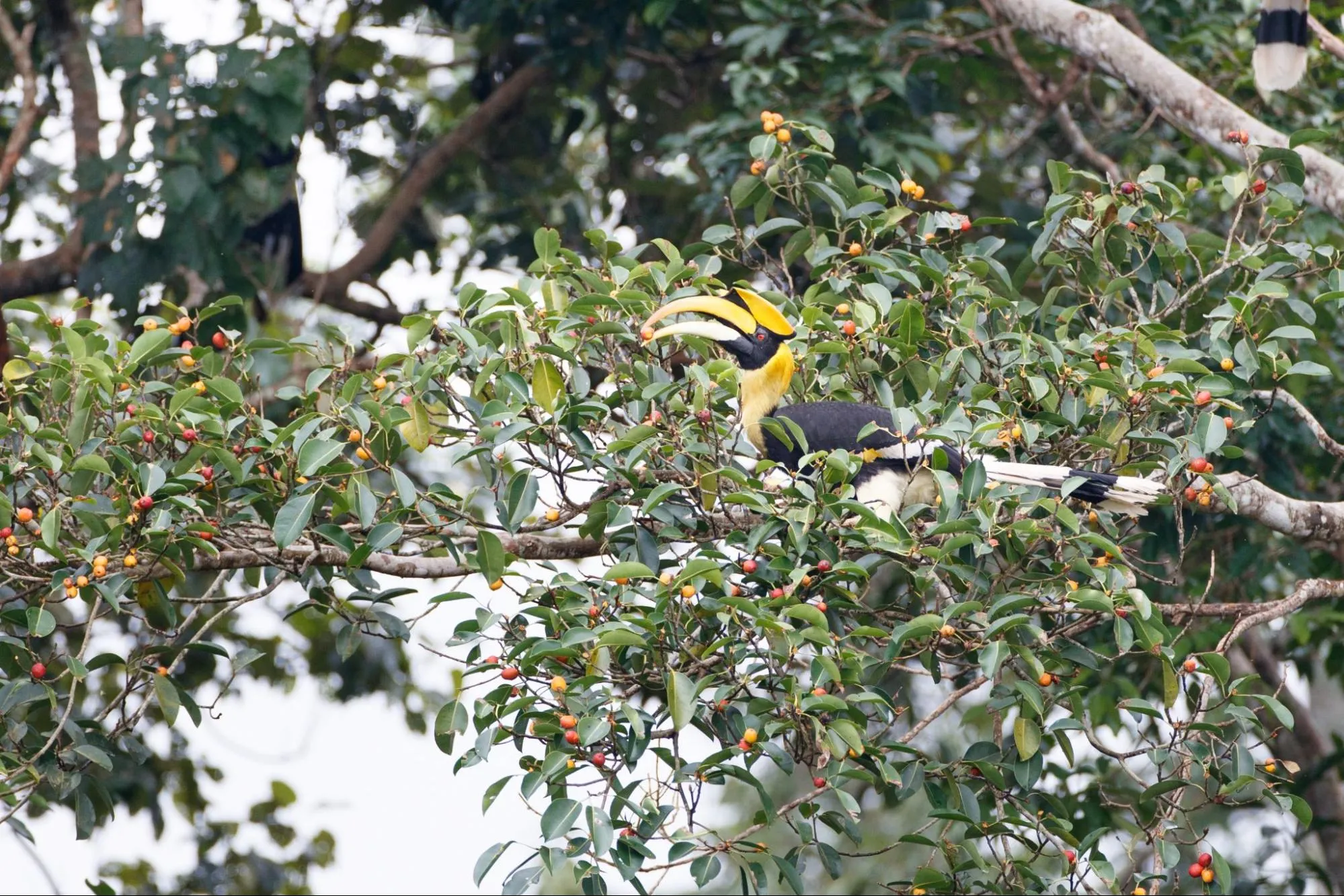
On a grander scale, national parks and conservation areas where development and hunting are not allowed act as massive sanctuaries for Thai wildlife. Like individual centers, these extensive plots have proven to provide the dual benefit of animal protection and tourist attraction.
One of the best known national parks, Khao Yai, attracts millions of domestic and international visitors annually as part of the Dong Phayayen-Khao Yai Forest UNESCO World Heritage Site with its range of activities and exciting environment. The park is a testament to how a well-balanced approach to natural conservation and animal protection can directly benefit society at large.
Kaeng Krachan in Phetchaburi boasts the highest rate of biodiversity among national parks in Thailand, providing ample opportunities for wildlife sightings. Declared a World Heritage site in 2021, the park contains an array of ecosystems, from rivers to mountains, each supporting a variety of different species.
Phuket’s Khao Sok National Park is a rich location for conservational tourism. The rainforest covers 12 protected sites, including islands in the Andaman Sea, placing both land and marine animals within its shelter.
A worthy cause
Whether through the DNP, private organizations, or even grassroots facilities, wildlife sanctuaries and conservation centers are doing important work to preserve one of Thailand’s most invaluable assets. Providing rich experiences, strengthening the environment, and serving as a viable economic driver, maintaining Thailand’s wildlife benefits the nation and the world.

 Paul Rujopakarn
  Teerin Julsawad