

As the 6th BIMSTEC Summit brought together leaders from across South and Southeast Asia, Thailand used the occasion to advance a range of bilateral partnerships — each shaped to reflect shared goals, mutual strengths, and regional priorities.
Through a combination of trade agreements, education initiatives, and cultural exchanges, the kingdom’s discussions on the sidelines of the summit reflected a clear emphasis on long-term cooperation and practical outcomes, with diplomacy rooted in understanding and flexibility.
Free Trade Agreement with Bhutan
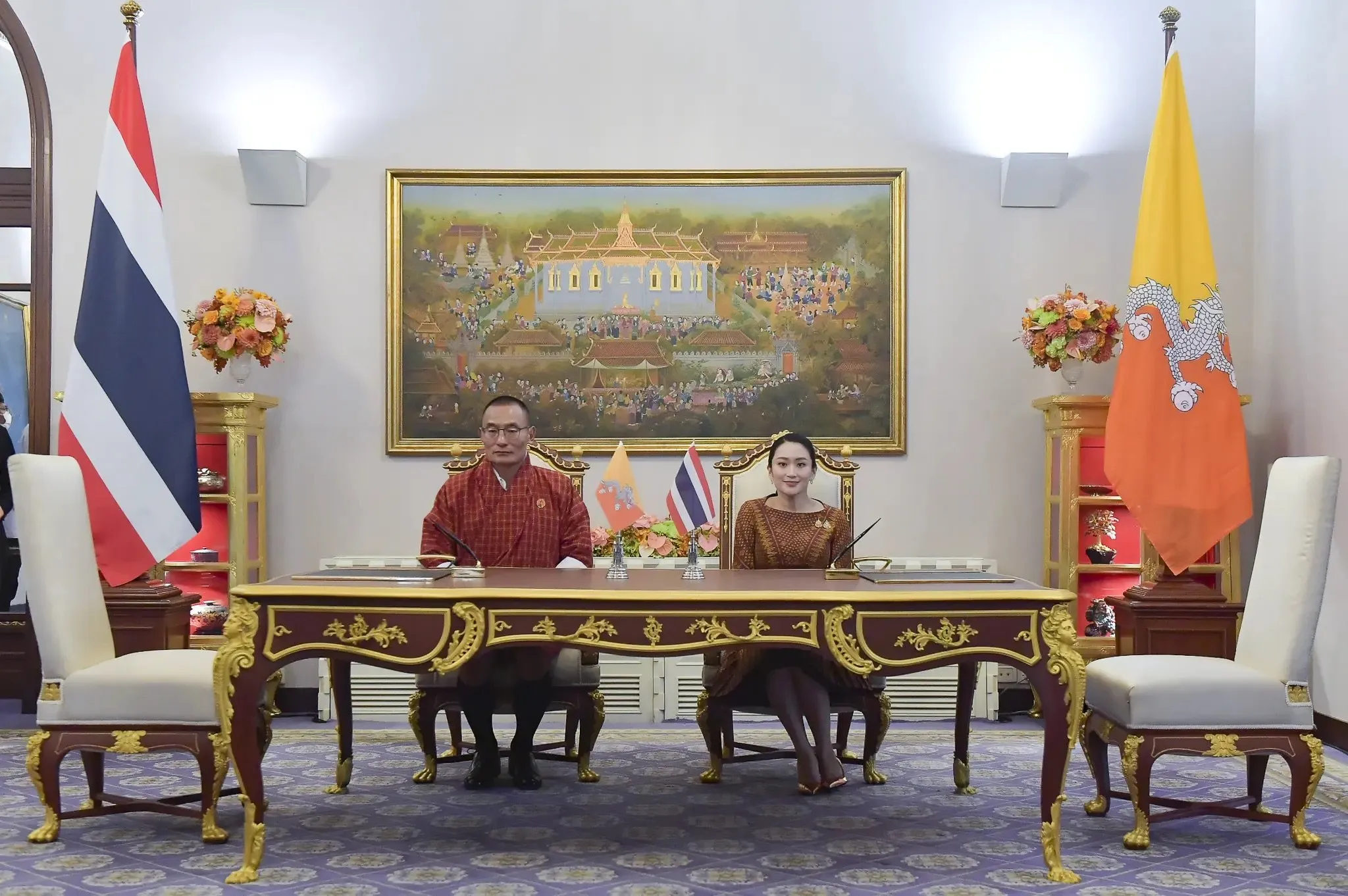
Among the most notable outcomes was the signing of a Free Trade Agreement (FTA) between Thailand and Bhutan, concluded in under a year. Thai Prime Minister Paetongtarn Shinawatra and Bhutanese Prime Minister Tshering Tobgay emphasized the agreement’s potential to enhance trade and investment, particularly in tourism, smart cities, and digital infrastructure.
Additionally, the two sides reinforced their commitment to cultural and educational exchanges. Thailand pledged support for scholarship and workforce development, while Bhutan welcomed Thai collaboration on adapting the “One Tambon, One Product (OTOP)” initiative to Bhutan’s own grassroots economy project, “One Gewog, One Product (OGOP).” The relationship was also marked by both warmth and vision amid tourism cooperation and ahead of year-round events celebrating bilateral ties.
Strategic Partnership with India
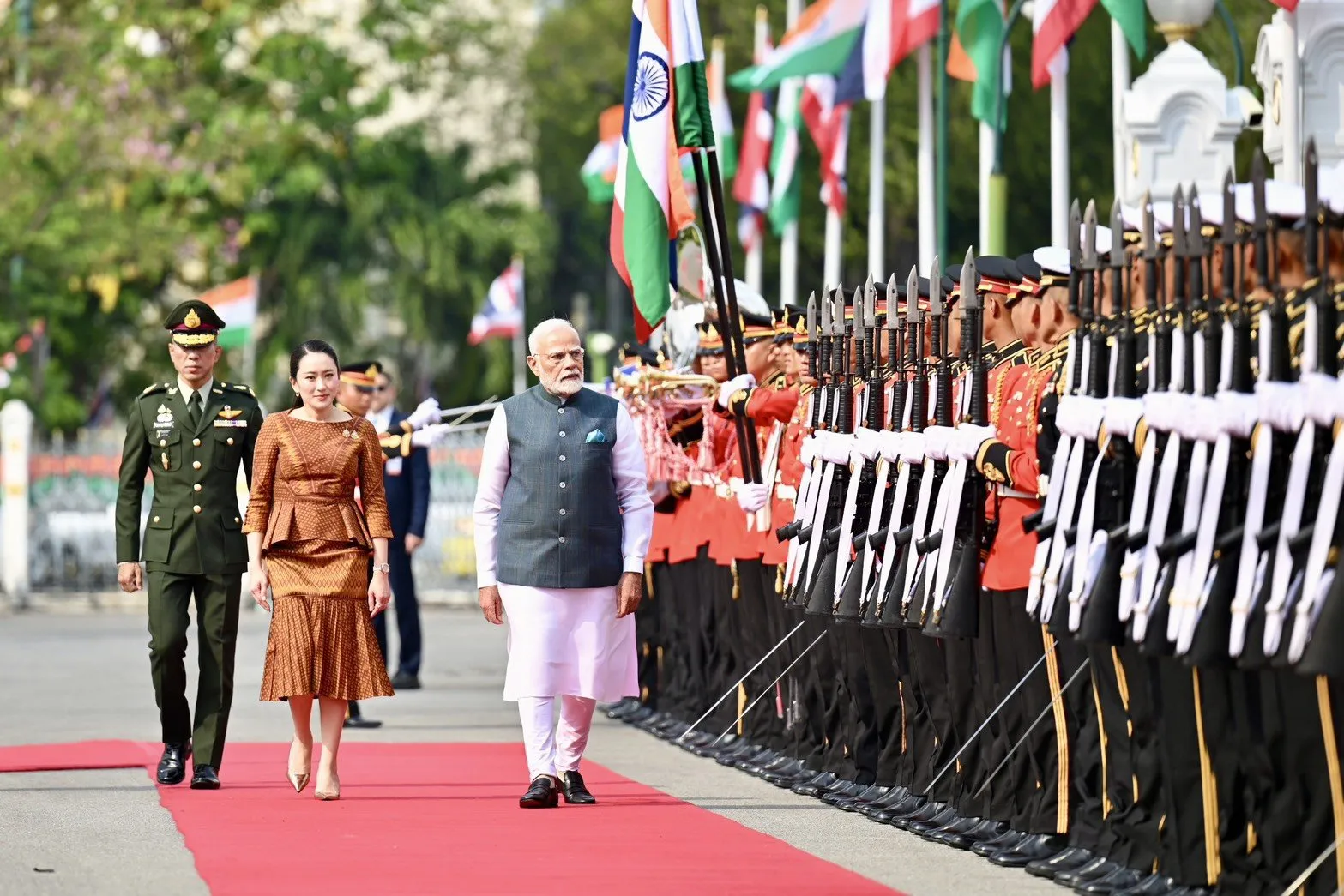
Thailand’s talks with India, Asia’s second-largest economy with a projected 2025 GDP of US$4.3 trillion, led to a significant milestone as the two nations elevated their relationship to a Strategic Partnership. Indian Prime Minister Narendra Modi, visiting Thailand officially for the first time, joined Prime Minister Paetongtarn in witnessing the signing of eight agreements covering areas from defense industry cooperation to startup development and education.
While longstanding cultural and spiritual ties were acknowledged — highlighted by a performance of the Ramakien, Thailand’s adaptation of India’s Ramayana epic, and the presentation of a special Tipitaka edition — both leaders also stressed their shared support for an inclusive, rules-based order in the Indo-Pacific region. The upgraded partnership reflects a mutual intent to broaden collaboration across multiple sectors while remaining rooted in historical understanding.
Eight MOUs with Nepal
Thailand also welcomed Nepalese Prime Minister K. P. Sharma Oli for the first official visit of its kind in 66 years. The two leaders presided over the signing of eight memoranda of understanding (MoUs) between public and private institutions, touching on tourism, education, agriculture, and industry.
Discussions extended to infrastructure, hydropower, and transportation links, including potential increases in direct flights between Bangkok and Nepalese cities. Both governments highlighted their shared interest in supporting people-to-people ties and facilitating trade, with Thailand expressing confidence in Nepal’s development trajectory and economic potential.
Building on existing cooperation with Sri Lanka and Bangladesh
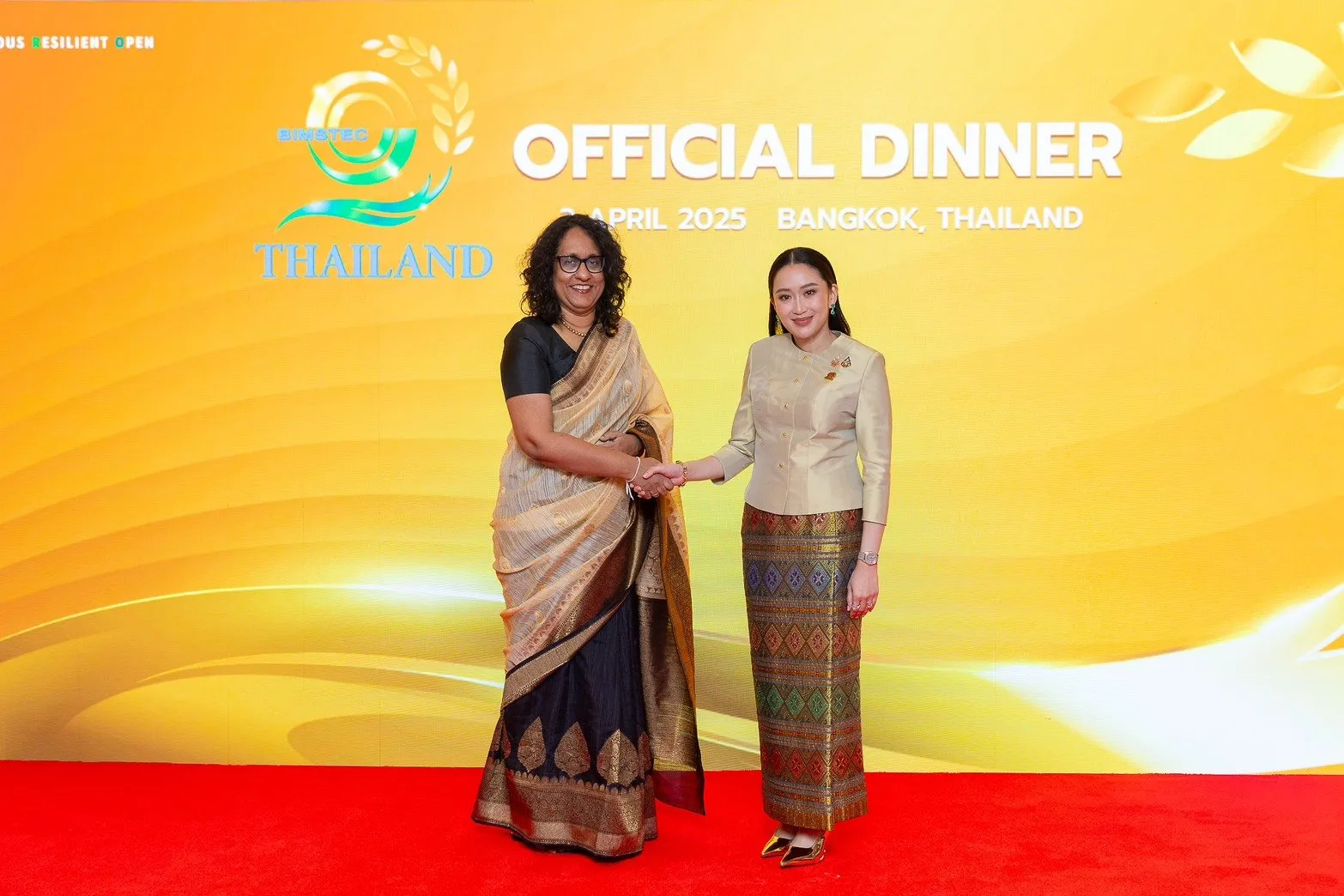
With Sri Lanka, Thailand focused on accelerating the implementation of a 2024 Free Trade Agreement. Talks emphasized expanded trade, SME development, and sectoral investment, with both sides reiterating their commitment to lowering barriers and encouraging private sector collaboration.
Meanwhile, Thailand and Bangladesh signed an MoU on anti-corruption cooperation, pledging to share best practices and facilitate law enforcement dialogue. Discussions also touched on trade, tourism, and connectivity, with Bangladesh’s officials expressing interest in launching feasibility studies for a future FTA. While still in exploratory stages, these efforts reflect shared interest in strengthening institutional links.
Steady, consistent dialogue bears fruit
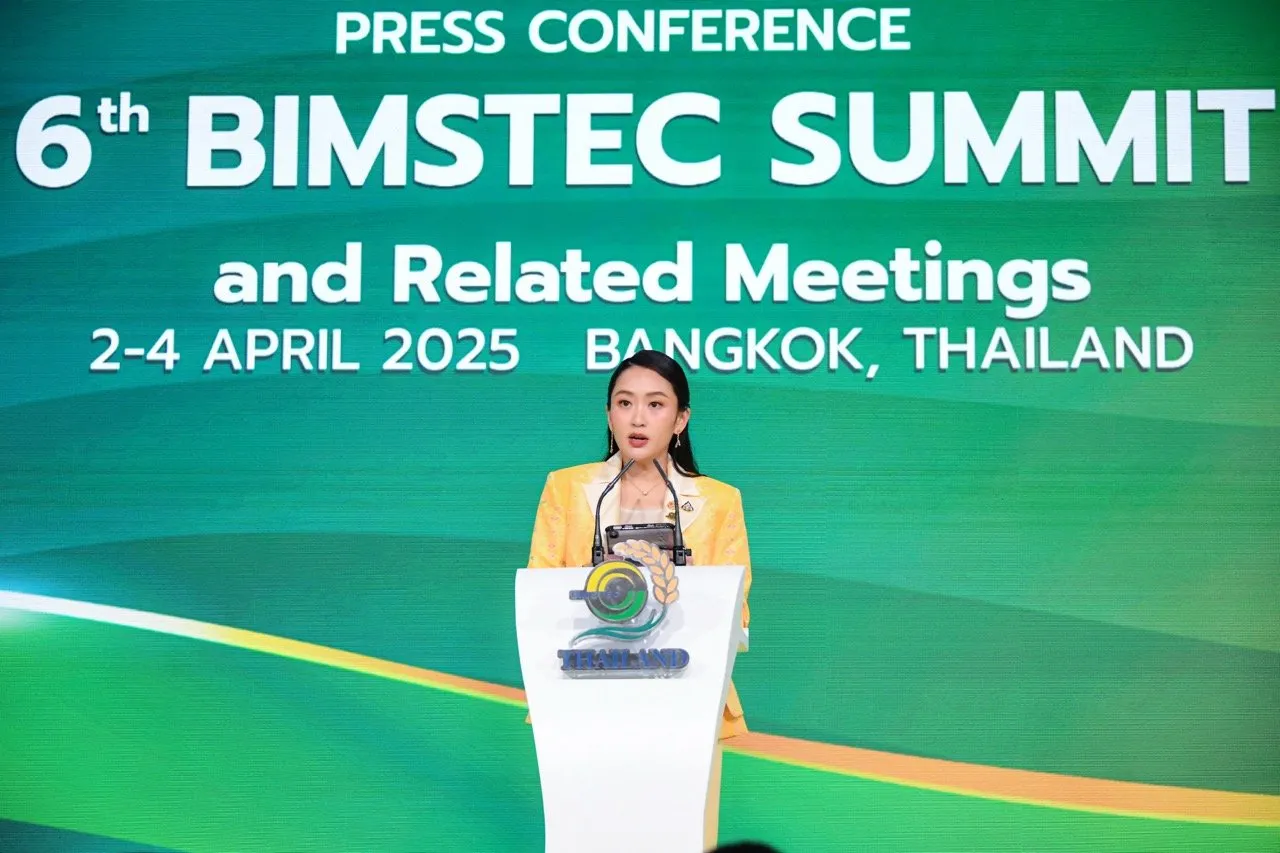
Taken together, these bilateral outcomes highlight a timely strategy of engaging constructively with regional partners based on shared needs, complementary strengths, and mutual respect. From education to infrastructure and from trade to tradition, Thailand’s engagements during the BIMSTEC Summit illustrated the diverse ways in which cooperation can be reaffirmed and enhanced.
As BIMSTEC continues to evolve as a regional platform, the outcomes of these bilateral meetings offer a foundation for sustained collaboration guided by mutual respect, common priorities, and a clear recognition of the value of regional partnership.

 Teerin Julsawad