

Thailand has long been recognized as one of the most welcoming destinations for LGBTQ+ travelers. But in 2025, that reputation became more than just perception. In January, Thailand became the first Southeast Asian country to legalize same-sex marriage with the Marriage Equality Act — a landmark move that cemented its leadership in inclusive tourism.
The international response has been swift. Bangkok was named one of the world’s top six LGBTQ destinations by the BBC, and Thailand took home the title of Best LGBTQ+ Destination at the Spartacus Travel Awards 2025.
Love wins in Thailand
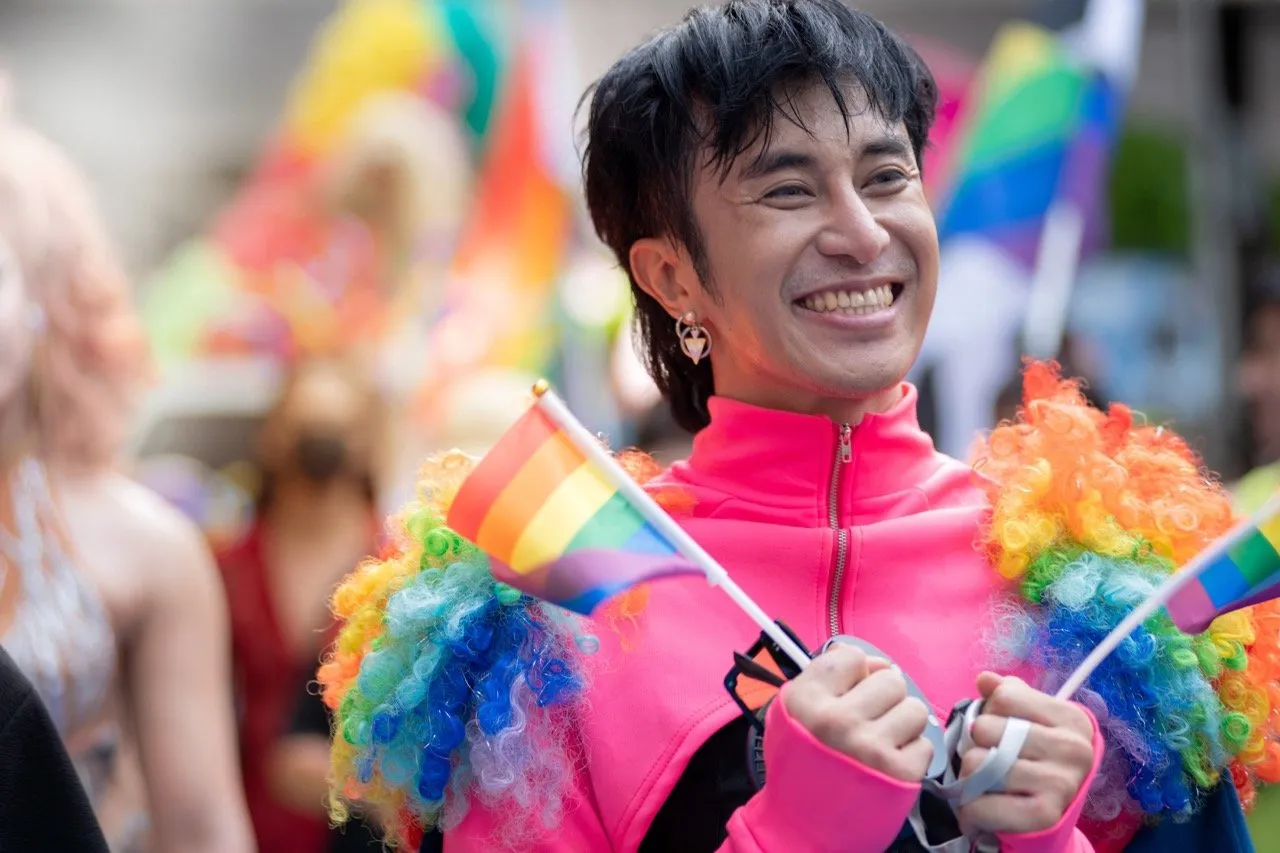
The legalization of same-sex marriage has opened up new opportunities for the tourism industry. With the global LGBTQ+ travel market expected to generate US$1.5 billion this year, Thailand is leaning into the momentum. The Tourism Authority of Thailand (TAT), for instance, has launched campaigns like “Amazing Thailand Out There,” spotlighting the country’s inclusive ethos and courting LGBTQ+ travelers with tailored experiences and messaging.
A major anchor of that outreach? Pride Month. The upcoming Bangkok Pride Festival 2025 — running from May 30 to June 30 — is set to be the country’s biggest yet. Under the theme “The Celebration: Right to Love 2025,” the month-long event will feature a massive parade, cultural performances, and community-led programming. It’s a statement that boosts local economies while affirming LGBTQ+ visibility.
Thai film & TV embraces same-sex couples
Part of Thailand’s soft power strategy also lies in its entertainment exports, particularly the global success of Thai Boys Love (BL) series. While Japan, South Korea, and Taiwan have strong BL industries, where both emerging and some established actors participate to gain traction in the mainstream, Thailand stands out for making BL fully mainstream. These series have propelled actors to A-list status (like K-pop idol levels of fame), with international fans traveling to Thailand to visit filming locations, attend fan meetings, and immerse themselves in the BL culture up close. Some activities may include:
- Visiting filming locations: Cafes, schools, and universities featured in hit series have become pilgrimage sites.
- Attending fan meetings: These events are media spectacles, with merch, Q&As, and carefully choreographed moments for fans to meet their favorite actors.
- Cultural immersion: Some fans go as far as donning Thai student uniforms to channel their favorite characters in a kind of coming-of-age cosplay experience.
This fandom tourism, while niche, feeds directly into the larger LGBTQ+ travel ecosystem. And the hospitality sector is catching on.
Thai hospitality says “yes” to LGBTQ+ travelers
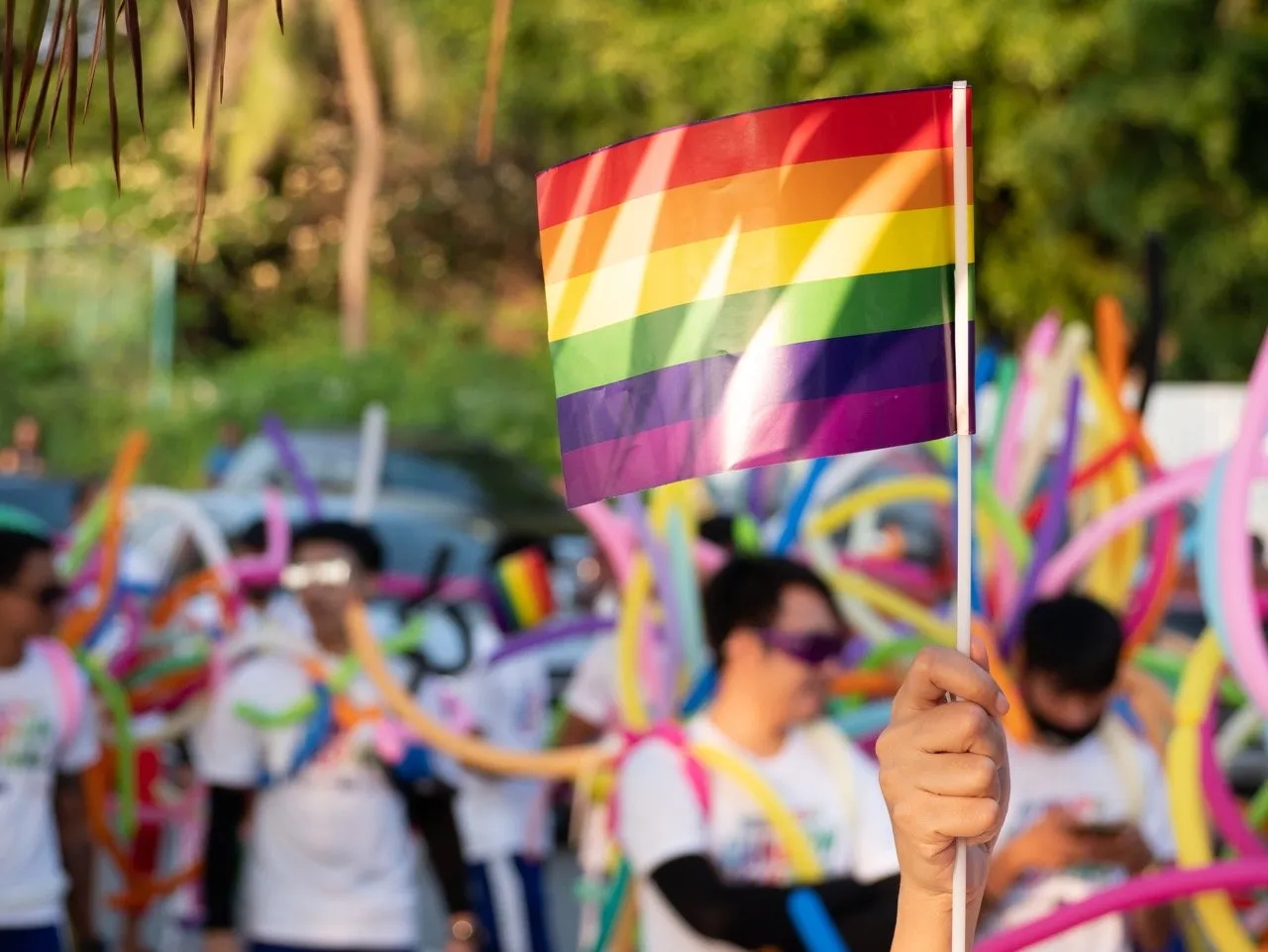
A Mahidol University study recently found that 56% of LGBTQ+ individuals want a wedding ceremony, with 49% preferring hotels, especially among Gen Z, where that number jumps to 65%. LGBTQ+ tourists also tend to be DINKs (Dual Income, No Kids), meaning they generally have more disposable income and time to travel. Hotels across Thailand are responding with bespoke wedding packages, inclusive services, and picture-perfect venues designed for same-sex couples.
As global interest in LGBTQ+ travel continues to grow, Thailand’s proactive approach to inclusivity, combined with its rich cultural offerings, hospitality, and entertainment industry’s output, positions it as a premier destination for LGBTQ+ tourists seeking both celebration and acceptance — not just in Asia, but worldwide.

 Paul Rujopakarn