

Thai Dogs: Fierce Hearts, Fluffy Coats
Around the world, the age-old adage of “man’s best friend” holds true. Thailand is home to some truly remarkable native dog breeds that have closely adapted to the country’s climate and evolved alongside the Siamese kingdoms.
Take the Thai Ridgeback (ไทยหลังอาน), for example. This striking, muscular breed has roots in the eastern provinces of Chanthaburi and Trat. Belonging to the hunting group of canines, its most distinctive feature is the ridge of hair running against the grain along its back — a natural mohawk that gives the breed its name.
With the right balance of patience, structure, and space to roam, the Thai Ridgeback thrives as both a guardian and a companion.


Meanwhile, the Thai Bangkaew (ไทยบางแก้ว) brings a different but equally endearing energy to the table. Hailing from a monastery in Bangkaew village, Phitsanulok Province, this medium-sized breed has long been cherished as a loyal companion. The Bangkaew is a handsome breed with a signature ruff of fur around its neck, a fluffy coat marked by patches of black, gray, tan, or red against a white base, and a plush, pluming tail.
Thai Cats: More Precious Than Diamonds



According to Preecha Vadhana, founder of the Siamese Cat Bang Rak cattery, certain breeds of cats were considered auspicious — good for bringing their owners different kinds of fortunes.
“The division between auspicious and inauspicious cats was based on the belief held among ancient people that certain characteristics would bring fortune. The Supalak cat was a good choice for civil servants, while merchants would be better with the Wichien Maat… The characteristics of each of these types support different careers,” he said.
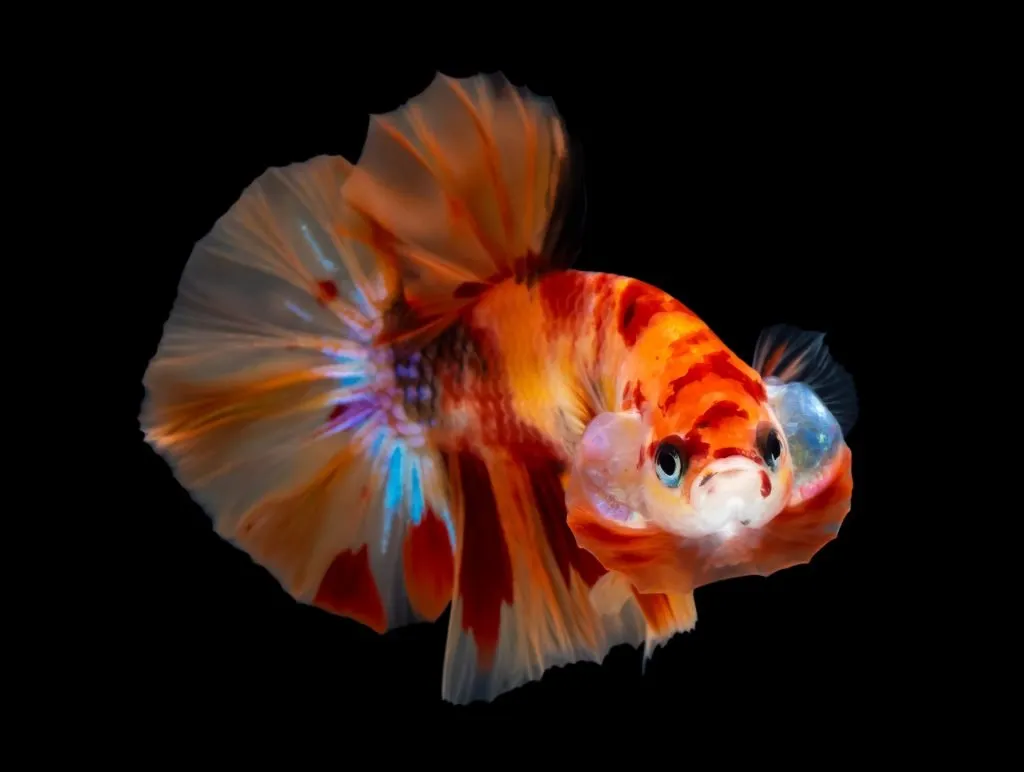
Plakat: Where Arts Meets Animal
Water Buffalo: An Agricultural Icon
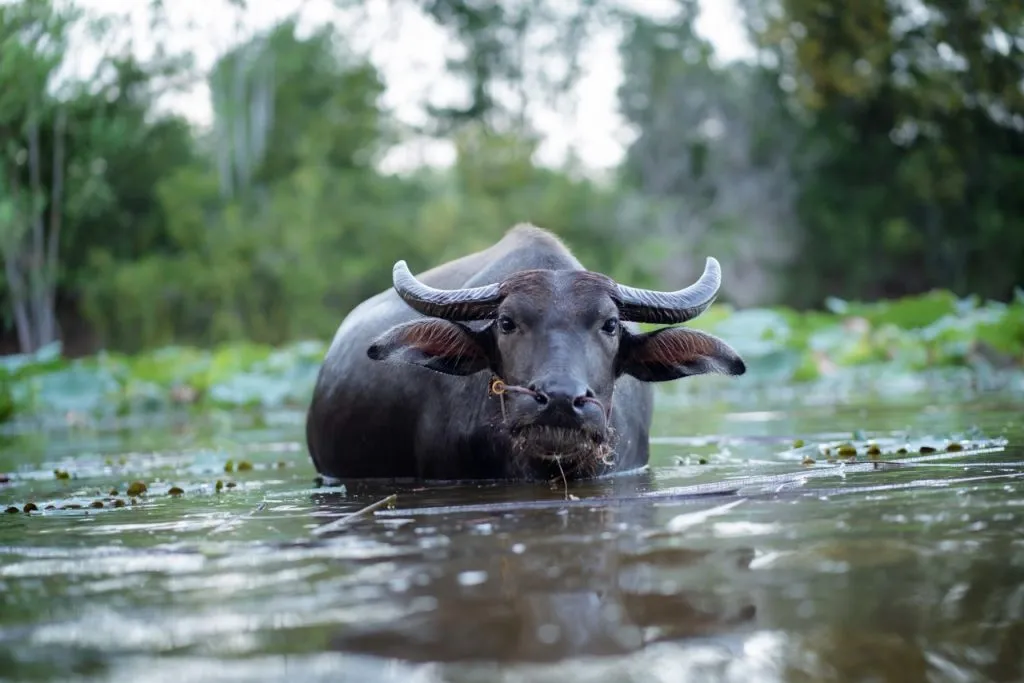
Once the backbone of Thai agriculture, the water buffalo, or kwai (ควาย), has long symbolized strength, endurance, and prosperity in rural communities. These gentle giants helped plow fields, transport goods, and served as a living measure of household wealth.
However, with the rise of modern agricultural machinery, the water buffalo’s role diminished and their populations sharply declined. In response, Thai Buffalo Conservation Day, observed annually on May 14th, was established in 2017 to honor their legacy and promote conservation. The date commemorates the founding of the Royal Cattle-Buffalo Bank for Farmers, a visionary initiative by His Majesty King Bhumibol Adulyadej the Great to support farmers through livestock leasing programs.
Today, buffalo conservation efforts focus on sustainable farming practices and supporting local breeders. Visitors can explore this work firsthand at centers like the Thai Buffalo Conservation Village in Suphan Buri Province or the Buffalo Training Camp in Chiang Mai Province, where traditional knowledge and animal care are passed down to new generations.
One of the most vibrant tributes to the water buffalo is the Buffalo Racing Festival or Wing Kwai (วิ่งควาย) in Chonburi Province. Held annually for over 150 years, this exhilarating event marks the end of Vassa with thrilling races, local cuisine, and community festivities.
Elephants: Gentle Guardians of Thai Heritage
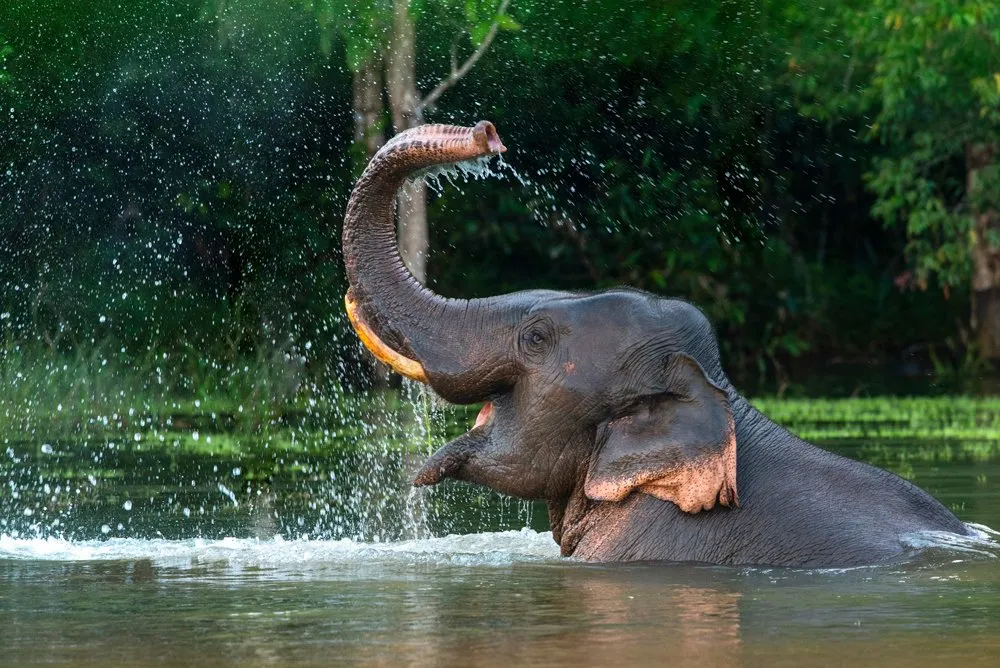
Known as chang (ช้าง), elephants have stood beside the Thai people for centuries. Honored as Thailand’s national animal, they symbolize strength and prestige.
Historically, elephants were vital to transportation, labor, royal ceremonies, and even war. The legendary elephant duel of King Naresuan the Great remains a key moment in Thai history, later adapted into the 2006 animated film The Blue Elephant or Khan Kluay (ก้านกล้วย).
To celebrate their vital role in Thailand, the country holds Thai National Elephant Day or Wan Chang Thai (วันช้างไทย) held every March 13th. The date marks the white elephant’s designation as a national symbol and reflects their longstanding bond with the monarchy, famously appearing on old Thai flags and the seal of Bangkok.Today, celebrations of Wan Chang Thai include blessing rituals and fruit buffets for elephants, but also emphasize the urgent need for elephant conservation. While revered, these majestic animals now face threats from habitat loss and exploitation, underscoring the importance of preserving their place in Thai culture and the wild.
Conserving Thailand’s Legacy in Nature
Thailand is one of Southeast Asia’s most biodiverse countries, home to nearly 9% of the world’s known species. This natural abundance has shaped the Kingdom’s history and continues to fuel its future, economically, culturally, and ecologically.
Thailand’s wildlife conservation efforts are vast and multifaceted. The Thai Elephant Conservation Center under Royal Patronage in Lampang Province shifted from forestry training to rehabilitation following the end of logging practices. Marine life is protected through programs like the Royal Thai Navy’s Sea Turtle Conservation Center in Chonburi Province and the New Heaven Reef Conservation Program on Koh Tao island.
On land, the Department of National Parks (DNP) operates wildlife rescue centers across the country, while iconic destinations like Khao Yai, Kaeng Krachan, and Khao Sok National Parks prove that protecting wildlife can go hand-in-hand with sustainable tourism.
Then, of course, there are charismatic animal ambassadors like Moo Deng, a pygmy hippo at Khao Kheow Open Zoo, which have boosted public interest in animal welfare, with proceeds from merchandise and digital assets supporting conservation.
These efforts reflect a national commitment to ensuring that Thailand’s natural wonders continue to inspire, educate, and thrive for generations to come.

Curled up in temple courtyards, grazing in rice paddies, or swimming iridescently behind glass, there’s a world of iconic Thai animals to discover. Each animal in this guide carries a story shaped by centuries of cultural memory and ecological interdependence.
Thai dogs and cats are more than pets; they are companions shaped by place and belief. Plakat fish shimmer with the creativity of breeders who see art in biology. Buffalo and elephants, once engines of empire and agriculture, now symbolize the shifting balance between tradition and modernity. And across Thailand’s forests, oceans, and zoos, conservation efforts remind us that the story is still being written.
Thailand NOW’s Culture Compass guides readers through the cultural landscape of Thailand with a curated list of interconnected stories that, together, present a holistic map of how identity, tradition, economy, and policy intersect in the modern Thai society.
Download Culture Compass: Iconic Animals Explained


 Paul Rujopakarn
  Teerin Julsawad