

Across Thailand, traditional crafts continue to anchor daily life in ways that are easy to overlook. Woodcarvers still shape altars and architectural details by hand. Weavers still produce fabric on looms that haven’t changed much in generations. Textile conservators, embroiderers, papermakers, and metalworkers keep methods alive that once moved only through family lines.
Much of this continuity exists because Her Majesty Queen Sirikit, The Queen Mother spent years supporting the people behind these practices. She met artisans in villages across the country, recognized the fragility of their livelihoods, and backed systems that allowed these crafts to survive without having to choose between heritage and income.
The country’s craft landscape today — more organized, more visible, and easier for the public to access — is shaped by that long period of attention.
How Royal Support Strengthened Thailand’s Craft Traditions
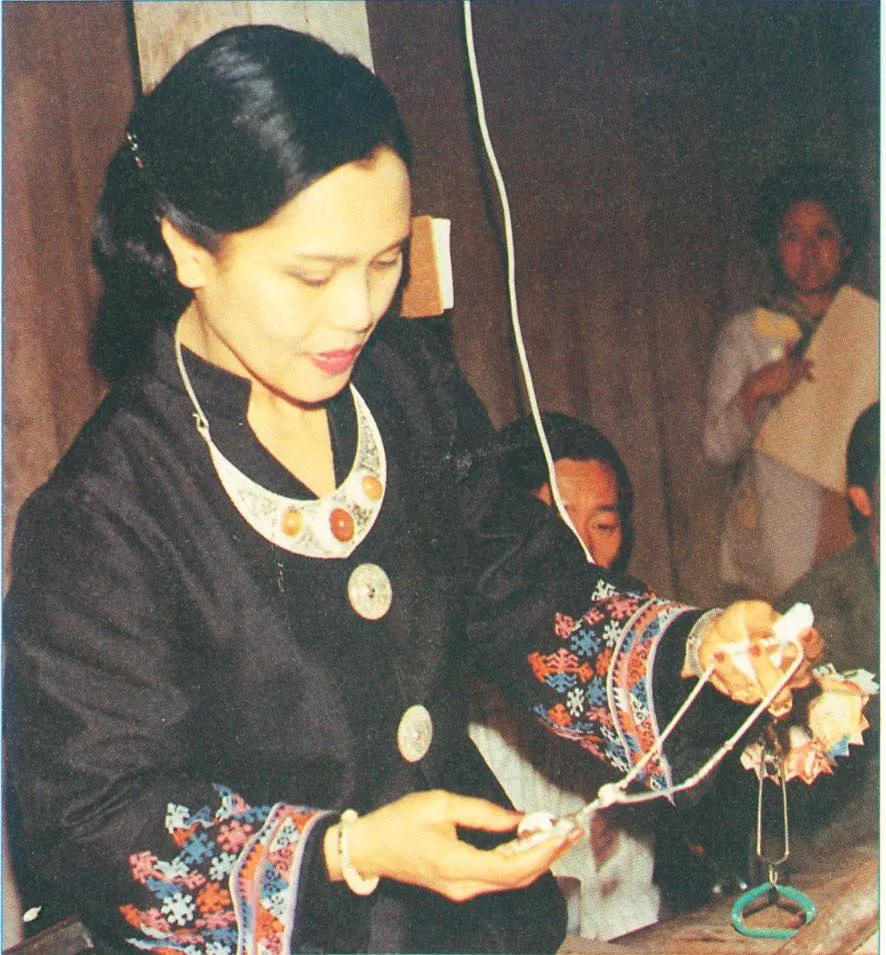
When the Queen Mother visited rural communities, she encountered skills that were structurally vulnerable. Many artisans relied on seasonal work. Some crafts had only a few remaining practitioners. Others had techniques that were passed orally and risked disappearing when a single master retired.
Her response was straightforward: create stability. Through the SUPPORT Foundation, artisans began receiving training, steady work, and institutional backing. Later, organizations such as SACIT (Sustainable Arts and Crafts Institute of Thailand (Public Organization)) documented master craftsmen, opened workshops to the public, and created pathways for new apprentices.
The effect was cumulative. Crafts that once depended on informal networks now have clearer systems: places to learn, places to work, and places where the public can see the techniques up close. What used to be a scattered set of traditions now functions more like a national ecosystem, one that preserves regional identity while allowing the crafts to evolve.
Master Artisans & the Lineage of Craft Knowledge
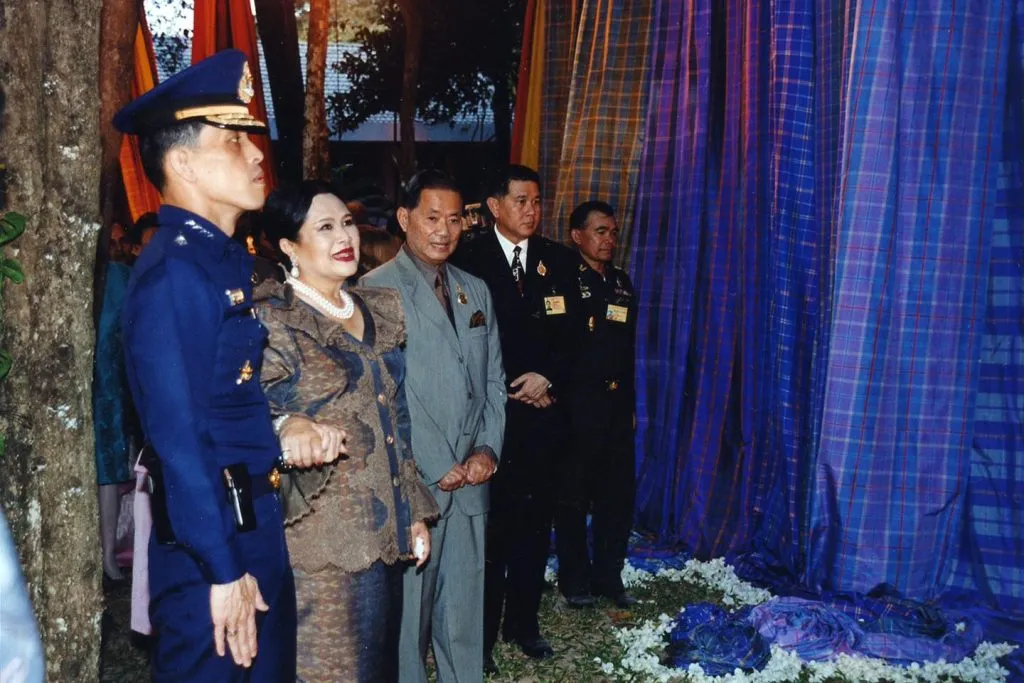
In Thailand, certain artisans are formally recognized as masters, or people who carry techniques that aren’t easily replaced if lost. The designation matters because most traditional crafts were never built on classrooms or manuals. They lived inside families, workshops, and routines where skills passed quietly from one generation to the next.
This kind of knowledge has a texture to it: the way a weaver adjusts tension without looking, or how a woodcarver hears when the grain is about to give. It’s tacit rather than verbal, and it rarely survives without a system that protects both the person and the craft.
Institutions such as SACIT created clearer pathways for preserving that lineage. They document master artisans, support apprenticeships, and introduce younger makers to crafts they may never have seen up close. What emerges is like a living archive, a network of people who understand that technique is only one part of the inheritance. The rest is judgment, repetition, and the sensibility that comes from watching a material change in one’s hands.
Craft as the Living Memory of a Nation
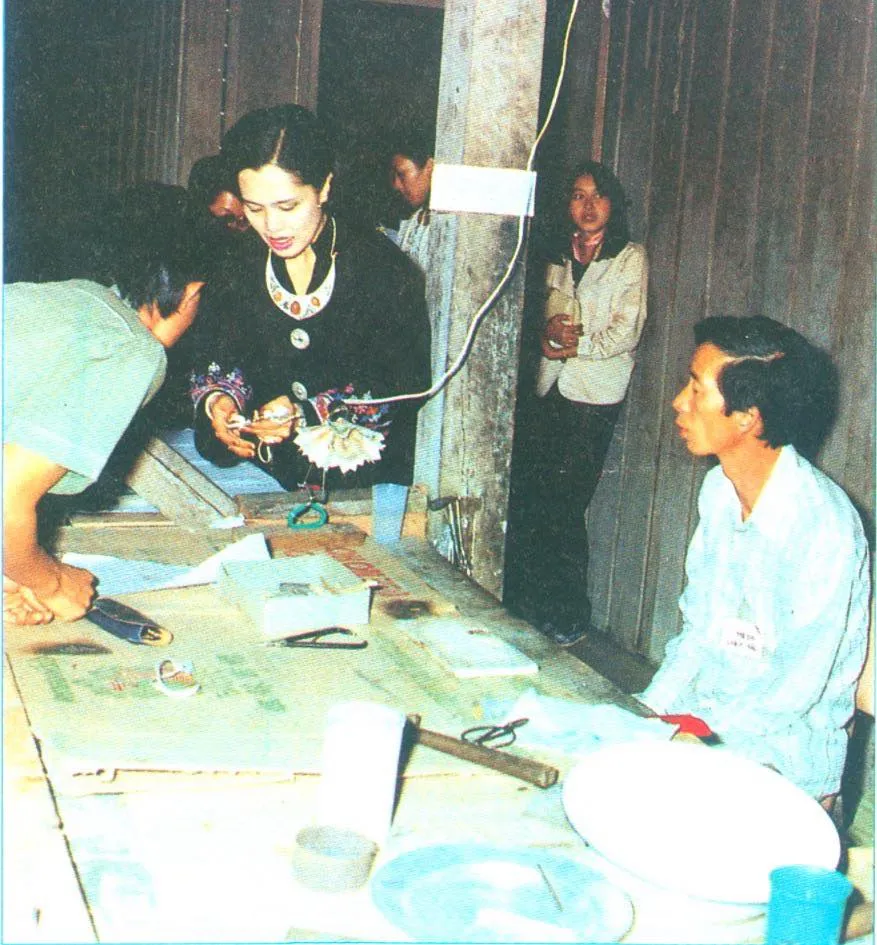
Traditional crafts rarely announce themselves. They sit in the background of daily life. The fabric someone ties around their waist, the lacquered box on a shelf, the carved doorway that frames a temple courtyard. Yet these objects carry the memory of how Thailand learned to work with its own materials, and how entire communities shaped their identities through skill.
The preservation efforts led by Her Majesty Queen Sirikit, The Queen Mother, helped make that memory visible again. By rebuilding the networks that supported weaving, carving, metalwork, lacquer, and the rest of the craft traditions, she kept forms of knowledge alive that would not have survived on sentiment alone. The institutions that grew from that work — including SUPPORT and SACIT — continue to provide structure for crafts that rely on apprenticeship, patience, and long practice.
For travelers, expats, and locals, engaging with these crafts is a way of understanding the country beyond its landmarks. It’s a reminder that cultural heritage often exists not in grand monuments but in the hands of the people who keep working, quietly, in workshops and villages across the country. Supporting them helps ensure that these traditions remain part of Thailand’s living culture rather than a record of what once was.

 Paul Rujopakarn