

Thailand has launched an ambitious conservation initiative aimed at safeguarding one of its most iconic coastal ecosystems, while also redefining how tourism interacts with fragile marine environments. The “Save Maya, Save Pakarang” project, spearheaded by Hat Noppharat Thara-Mu Ko Phi Phi National Park and the Andaman Natural Resources Conservation Foundation, seeks to promote sustainable tourism and protect marine biodiversity across the Andaman Sea.
The initiative was formally launched in Krabi province and focuses on conserving Maya Bay, an internationally renowned destination, while restoring coral reefs and coastal ecosystems that have experienced pressure from years of heavy tourism.
Authorities note that the project represents a coordinated effort between government agencies, the private sector, academic institutions, and local communities to ensure the long-term sustainability of Thailand’s marine resources. It comes as global momentum builds around marine conservation, including the recently enacted UN High Seas Treaty aimed at protecting ocean ecosystems beyond national jurisdiction.
Education at the heart of conservation
A key pillar of the campaign is raising awareness among residents, tourism operators, and younger generations about the importance of marine stewardship.
During the launch event, park directors and environmental specialists led a conservation forum examining strategies to preserve natural resources and balance tourism with environmental protection. Learning stations were also set up to engage local residents, children, and youths, encouraging them to understand the delicate ecosystems of the Andaman Sea.
Organizers say the goal is to transform visitors and communities into “partners” in conservation. By encouraging responsible behavior, such as avoiding contact with marine wildlife, following park regulations, and minimizing waste, authorities hope to reduce the everyday human impact on coral reefs and coastal habitats.
Hands-on restoration in Maya Bay
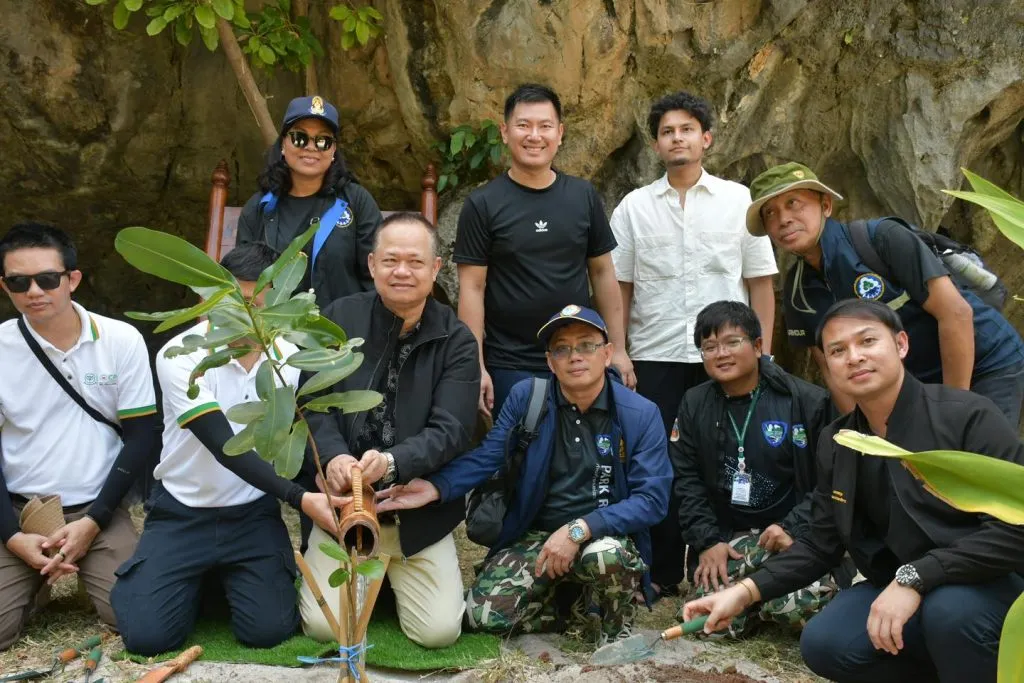
Following the official launch, participants traveled to Maya Bay to begin direct restoration work.
Volunteers and officials planted coastal trees to rehabilitate the shoreline ecosystem and strengthen natural defenses against erosion. These efforts aim to restore vegetation that stabilizes the coastline while improving habitat conditions for local wildlife.
The project also includes activities such as beach and underwater cleanups, as well as broader ecosystem restoration initiatives designed to improve the health of coral reefs and surrounding marine habitats.
Protecting coral reefs with smart infrastructure
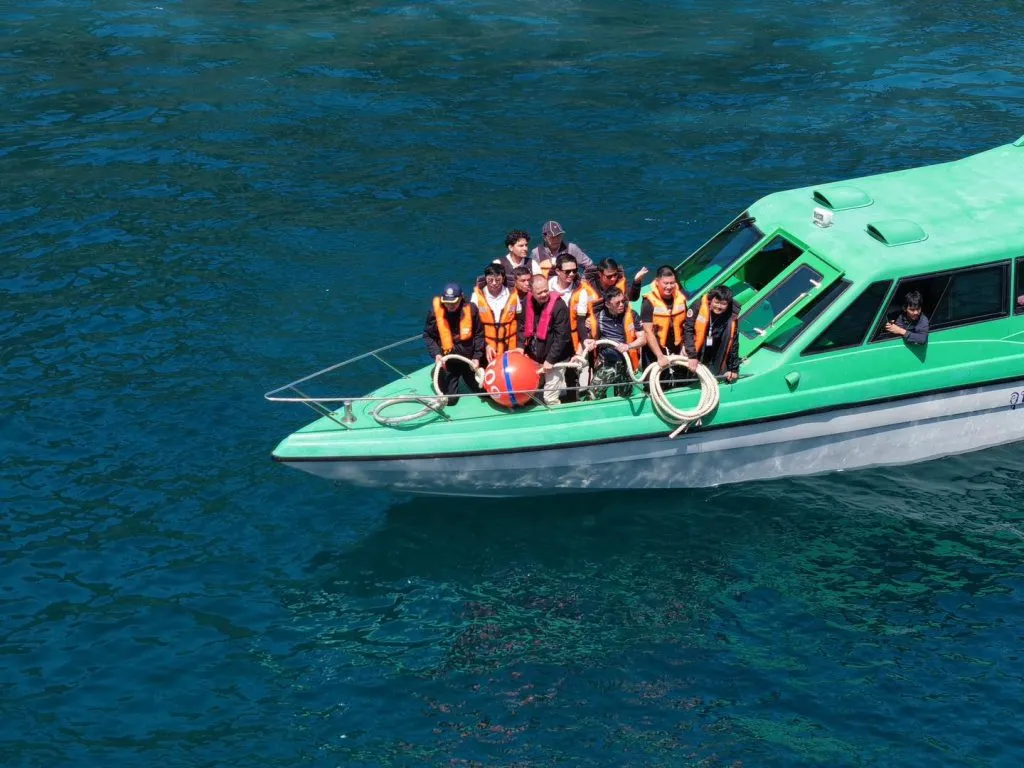
One of the project’s most important technical measures is the installation and repair of environmentally friendly mooring buoys.
Boat anchors have historically caused significant damage to coral reefs when dropped directly onto delicate coral structures. The mooring buoys provide designated attachment points for vessels, allowing boats to dock without harming the seabed.
By organizing maritime tourism in this way, authorities aim to protect coral reefs, known locally as pakarang, while still allowing controlled access for visitors.
A model for sustainable tourism
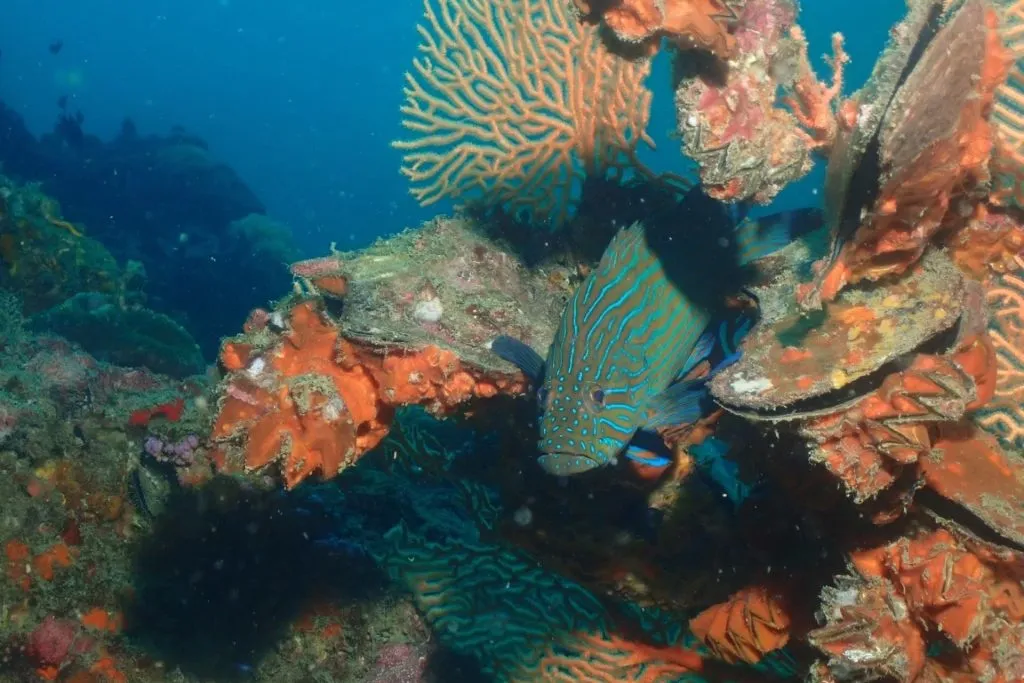
The Andaman Sea’s turquoise waters and limestone karsts have long made it a key part of Thailand’s tourism economy. Therefore, officials say preserving this natural wealth is essential for the region’s long-term prosperity.
Through projects like “Save Maya, Save Pakarang,” Krabi is working to shift from high-volume tourism toward a more sustainable model that protects biodiversity while maintaining economic stability.
With collaboration from government bodies, private companies, educational institutions, and community groups, the initiative is being positioned as a blueprint for participatory marine conservation that balances environmental protection with the continued appeal of Thailand’s world-class coastal destinations.

 Teerin Julsawad