

Thailand is doubling down on rooftop solar as a key sector of its clean energy transition, with new tax incentives and urban initiatives helping to accelerate adoption across households and businesses.
A March 2026 announcement in the Royal Gazette introduced generous tax deductions of up to 200,000 baht for residential solar installations, signaling a renewed push under the government’s broader “Quick Big Win” strategy. The measure, which runs through 2028, targets up to 90,000 households and aims to reignite momentum in a segment that has historically driven Thailand’s solar growth.
Rooftop solar already accounts for roughly 35% of installed solar capacity nationwide, and new estimates suggest total capacity may now exceed 3.6 gigawatts (GW) — well above earlier official figures.
Analysts say the renewed policy focus reflects both economic and strategic concerns, as Thailand continues to rely heavily on imported liquified natural gas (LNG) for power generation.
Bangkok leads with urban solar push
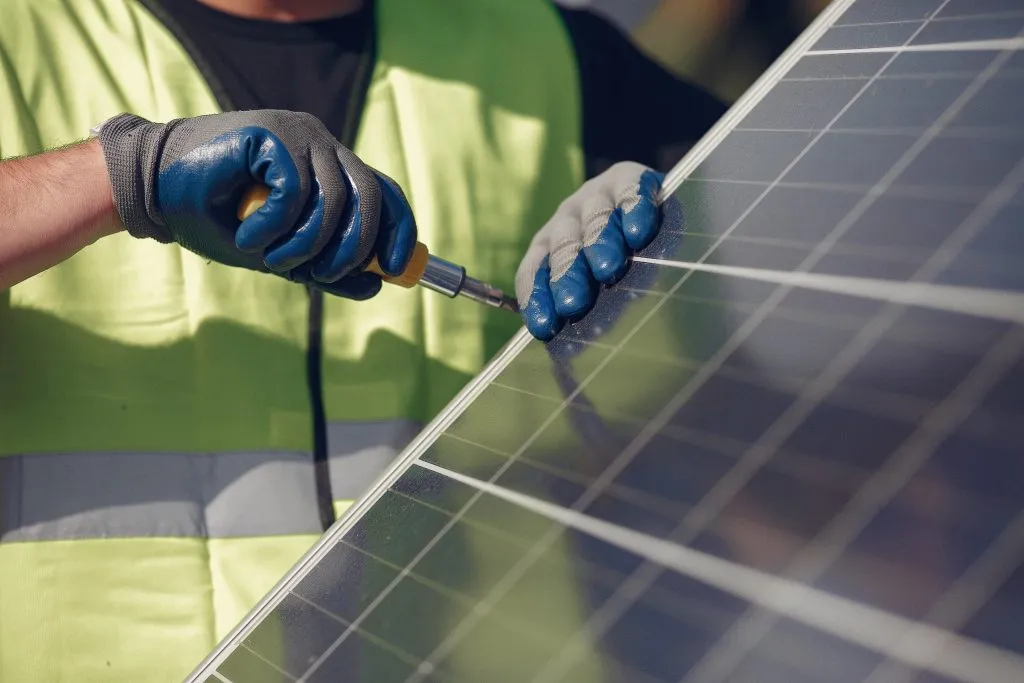
In the capital, Bangkok Governor Chadchart Sittipunt has positioned solar rooftops as central to the city’s climate ambitions through the “Bangkok Solar City” initiative.
“Installing solar panels may seem complicated at first, but this guide will be an essential starting point,” Chadchart said at the program’s launch, referring to a new city-backed resource designed to simplify adoption for residents and district officials alike.
Bangkok is a dense urban hub with rising energy demand and no shortage of sunlight. Rooftop solar may be a practical way to reduce emissions while easing pressure on the power grid.
The economics of solar energy are proving equally compelling, with a typical 5 kilowatt (kW) system able to cut household electricity bills by THB2,000 – 2,500 (approx. US$61 – 76) per month, with payback periods of around four to five years depending on usage.
Household economics drive adoption
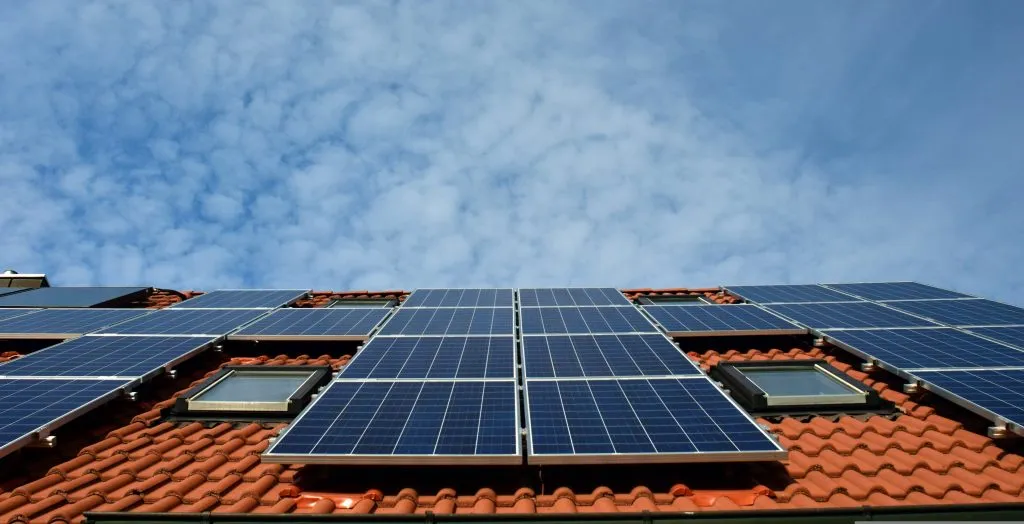
Private-sector data shows demand is already responding. Installation volumes have risen by 30 – 40% in recent months, while spending on solar systems via credit cards has surged, reflecting growing consumer interest.
Financial institutions are also stepping in, offering 0% installment plans and cashback incentives to lower upfront barriers, which can be crucial given that system costs range from THB150,000 – 400,000.
As adoption accelerates, industry leaders emphasize that safety and system quality must keep pace, and that rooftop solar should be treated as core infrastructure.
“Safety is a top priority for rooftop solar,” said Techatat Buranaaudsawakul, Chairman of the Electrical Engineering Department at the Engineering Institute of Thailand (EIT). “A solar energy system must be designed and installed to the same safety standards as any other electrical system in the house.”
Policy and consumer demand align
Thailand was once Southeast Asia’s solar leader before being overtaken by Vietnam, but policymakers are now betting that streamlined regulations, tax incentives, and falling technology costs can restore growth.
With electricity prices remaining a persistent burden and climate targets tightening toward a 2050 net-zero goal, rooftop solar is increasingly seen as both a financial and strategic choice in addition to an environmental one.
If current momentum holds, the sight of solar panel rooftops may soon become as commonplace as the balcony air compressor, marking a quiet but significant shift in how the nation powers its future.

 Teerin Julsawad