

Thailand has secured a timely trade victory after the United States cleared the Southeast Asian nation of subsidy allegations in a countervailing duty (CVD) probe into silicon metal imports. The ruling strengthens Thailand’s standing as a reliable industrial supplier at a time of rising global protectionism.
The decision by the U.S. International Trade Commission (ITC), finalized on April 9th and announced by Thai authorities on April 24th, found that silicon metal imports from Thailand did not materially injure U.S. domestic producers. As a result, the investigation against Thailand was terminated and Thai shipments will not face countervailing duties.
Thailand is the only nation to be fully cleared among those investigated, including Norway, Laos, Australia, and Angola.
A decision with far-reaching consequences
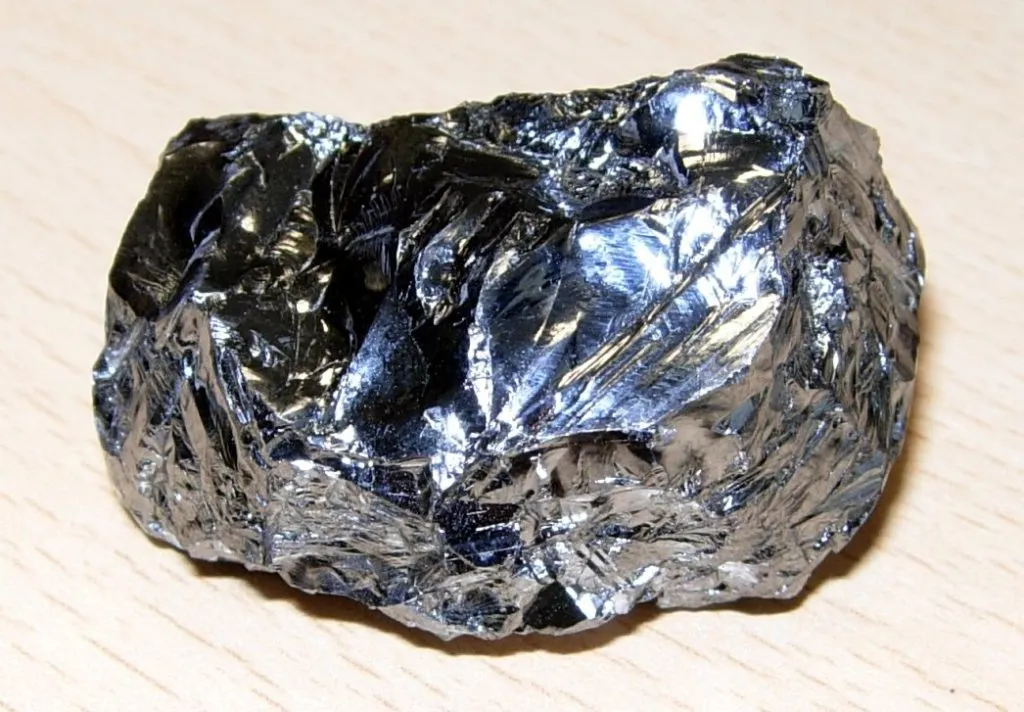
Although not a household commodity, silicon metal plays an outsized role in modern manufacturing. It is used in electronics, aluminum alloys, and clean-energy technologies such as solar cells, making it a strategically important material in global supply chains.
That gives the ruling significance beyond a single product line.
For Thailand, avoiding new U.S. tariffs helps preserve access to one of the world’s largest markets while signaling that its export model remains competitive without state support that distorts prices. In an era where trade remedy cases are increasingly used as defensive tools, being singled out positively carries significant reputational value.
Arada Fuangtong, Director-General of Thailand’s Department of Foreign Trade (DFT), described the outcome as highly favorable for Thai exporters, particularly as businesses navigate mounting trade tensions and more aggressive market barriers worldwide.
What Thai exporters stood to gain (or lose)
In 2024, Thailand exported silicon metal to the United States worth THB655.6 million, or roughly US$93.5 million, according to official data. That represented 25.57% of Thailand’s total silicon metal exports, underlining the importance of the U.S. market to producers.
Had duties been imposed, exporters could have faced higher costs, reduced competitiveness, and possible market share losses. Instead, Thai producers now retain tariff-free momentum, effectively providing a long-term competitive advantage.
The ruling also arrives as manufacturers globally seek dependable sourcing options for materials tied to energy transition industries and advanced manufacturing.
Commercial relief, symbolic credibility

In addition to commercial relief, the case supports a broader narrative that Thailand can compete in higher-value industrial sectors while adhering to international trade rules. That messaging is critical as Southeast Asian economies vie for foreign investment, supply-chain diversification, and closer economic ties with major markets.
Arada said the DFT will continue working to lower trade barriers and defend national business interests through legal and diplomatic channels.
Essentially, the silicon metal verdict gives Thai exporters some breathing room while symbolically reaffirming their credibility on the world stage. This may prove especially crucial as trade disputes become more common and market access more contested.

 Teerin Julsawad
  Thailand NOW