

When international media covers Thailand, the focus often falls on Bangkok, the islands, or the country’s best-known tourist destinations. So it was notable when French broadcaster TV5Monde chose to dedicate an episode of its documentary series “Destination Francophonie” to Isan, Thailand’s northeastern region.
The episode, “Destination Francophonie: Thailand,” takes viewers through different parts of Isan, exploring local culture, food, craftsmanship, history, and the region’s long-standing connections to the French-speaking world. The documentary focuses on the people, traditions, and communities that continue to shape everyday life across the region.
For many international viewers, it may also be their first introduction to a part of Thailand that receives far less attention than some of the country’s more familiar destinations.
Looking beyond tourism
The documentary highlights several aspects of Isan’s cultural identity, from traditional ways of life and local cuisine to textile craftsmanship and historical heritage.

Food plays an important role, as expected. Isan cuisine has become increasingly recognized internationally for its distinctive flavors and strong regional identity. The program also explores the region’s textile traditions, showcasing weaving techniques and craftsmanship that have been passed down through generations.
History features prominently as well. The documentary draws attention to northeastern Thailand’s importance as a site of major dinosaur fossil discoveries, an area where provinces such as Khon Kaen and Kalasin have contributed significantly to paleontological research in Southeast Asia.
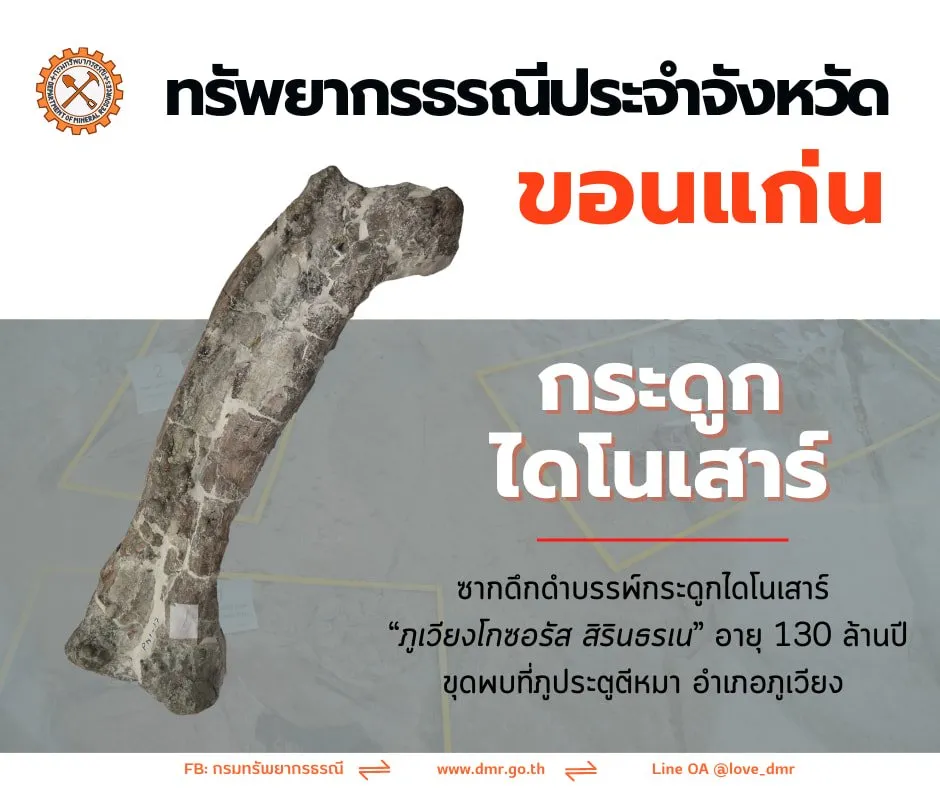
At the same time, the program spends time with local communities rather than focusing solely on landmarks. The result is a portrait of Isan that feels grounded in everyday life, where cultural heritage continues to be practiced rather than simply preserved.
An unexpected French connection
One of the more interesting aspects of the documentary is its focus on the relationship between Isan and the French-speaking world.
The program features French residents who have chosen to build their lives in Northeast Thailand and explores cultural exchange initiatives that have developed over time between communities in Thailand and France.
Among them is the association Terres d’Isan et de France (Isan and France Association), which works to strengthen people-to-people connections through educational, cultural, and community projects. The documentary also highlights the role of Thai-French cultural initiatives that help promote language learning and cross-cultural understanding.
This connection is reflected in education as well. The documentary notes the continued interest in French-language study across parts of northeastern Thailand, adding another dimension to the region’s international outlook.
A region gaining wider recognition
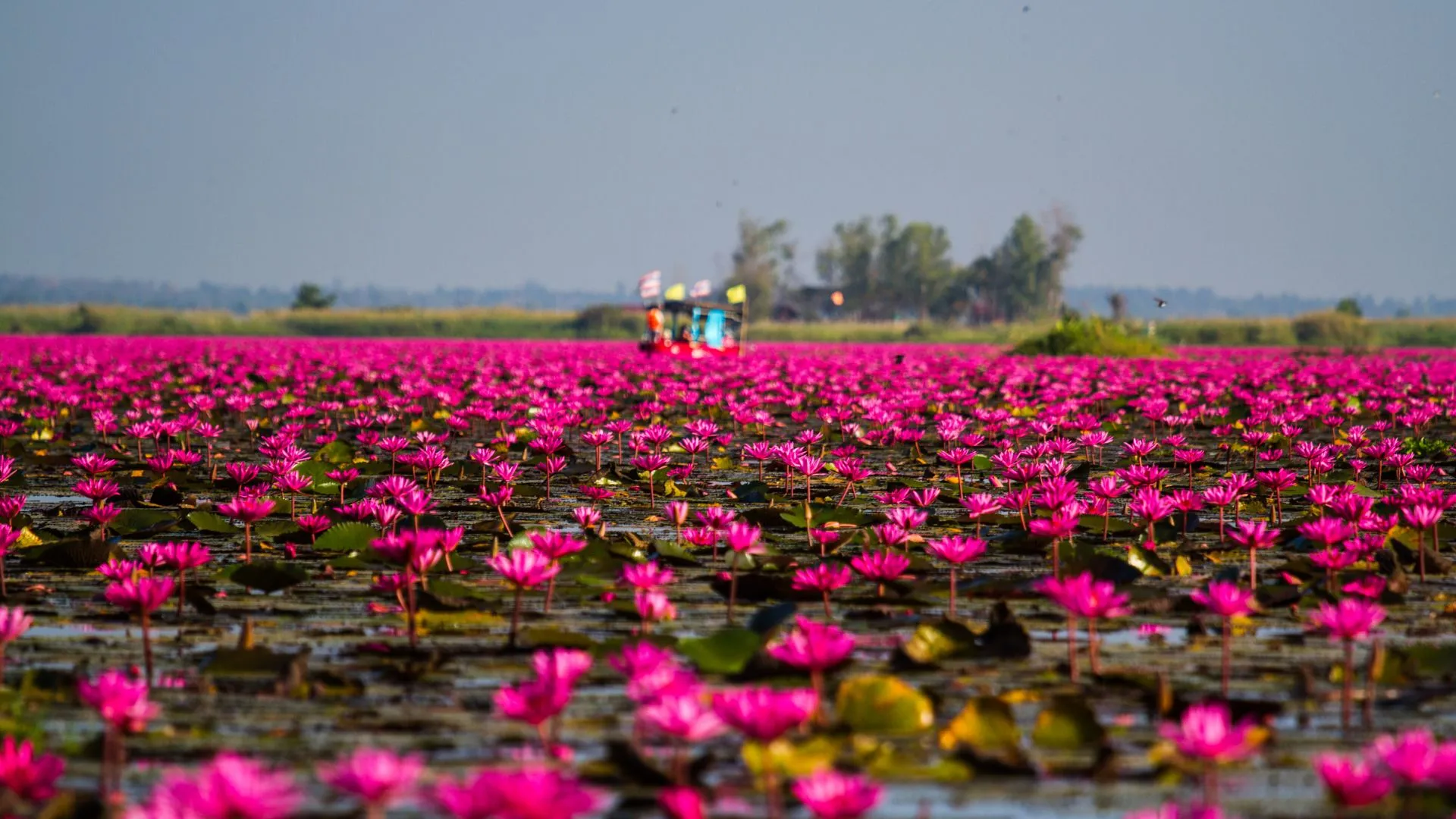
The documentary arrives at a time when Isan is becoming more visible internationally through culture, heritage, and creative industries.
One example highlighted in the program is the exhibition of Isan silk at the Musée de la Soie de Taulignan in France, which introduced audiences there to textile traditions from Northeastern Thailand. Projects like these demonstrate how local knowledge and craftsmanship can travel far beyond their place of origin while remaining closely connected to the communities that created them.
The release of the documentary also coincides with the 170th anniversary of diplomatic relations between Thailand and France, giving additional context to the cultural exchanges featured throughout the program.
For viewers unfamiliar with Isan, “Destination Francophonie: Thailand” offers an introduction to a region that is often overshadowed by other parts of the country. Rather than focusing on a single attraction or destination, it presents a broader picture of local culture, craftsmanship, history, and international connections that continue to shape the region today.

 Paul Rujopakarn