

Thailand is increasingly viewing Nigeria as a potential gateway into one of the world’s most important emerging markets, as well as into a wider African economy where Thai businesses have so far had a relatively limited presence.
That was one of the clearest indicators to emerge from Deputy Prime Minister and Foreign Minister Sihasak Phuangketkeow’s recent visit to Nigeria as part of an August 25th to 28th blitz that also included Ethiopia, his first official trip to Africa in his current role.
The visit put economic diplomacy solidly alongside political agenda, with Sihasak holding talks with Nigerian officials in Abuja before bringing a Thai business delegation to Lagos.
Key Takeaways
- Thailand increasingly views Nigeria as a strategic gateway for expanding Thai trade, investment and commercial engagement across West Africa.
- Deputy Prime Minister and Foreign Minister Sihasak Phuangketkeow and Nigerian Foreign Minister Bianca Odumegwu-Ojukwu agreed on August 25, 2026, to deepen cooperation across multiple economic sectors.
- Thailand and Nigeria signed a memorandum of understanding on technical cooperation, while the Thailand-Nigeria Business Forum in Lagos on August 27, 2026, connected companies from both countries.
- Thailand appointed its ambassador to Nigeria as the Kingdom’s first permanent representative to ECOWAS as both sides explored stronger links between West Africa and Southeast Asia.
- Thailand’s engagement with Nigeria forms part of the revived Thailand-African Initiative, which seeks broader political, economic and development cooperation across the African continent.
Building something to trade on
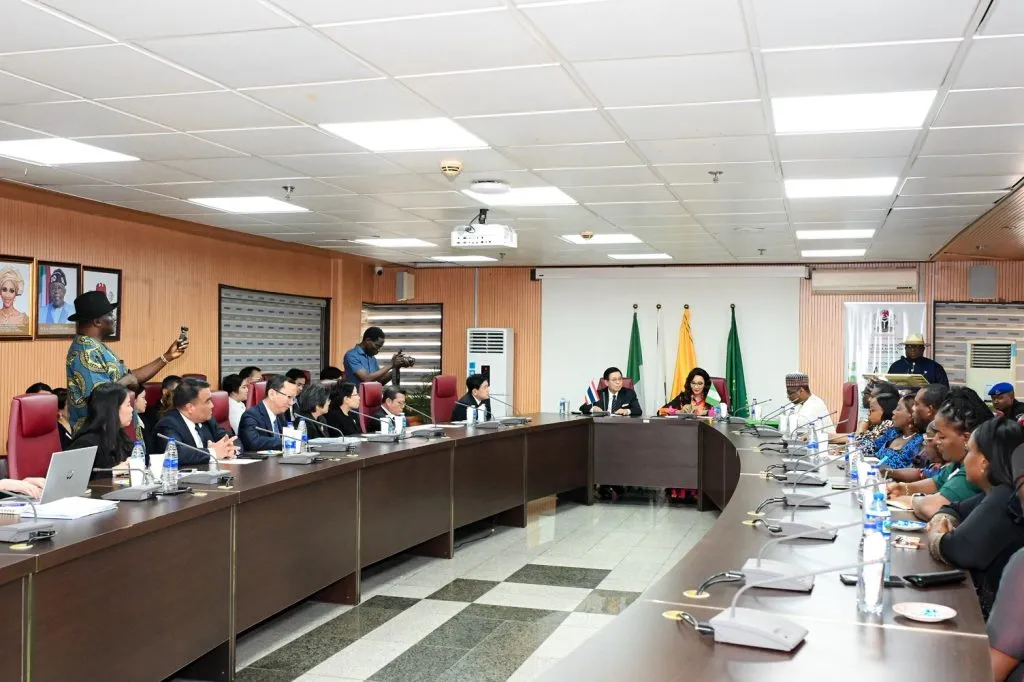
Source: mfa.go.th – Website
Sihasak and Nigerian Foreign Minister Bianca Odumegwu-Ojukwu agreed on August 25th to expand cooperation in areas ranging from trade and investment to manufacturing and energy, as well as agriculture and digital technology.
The two sides also signed a memorandum of understanding on technical cooperation, while agreeing to pursue projects involving aquaculture technology and sustainable agriculture. Those initiatives fit neatly with Thailand’s broader effort to export expertise and development experience in addition to goods.
A commercial foundation already exists to build on, with bilateral trade reaching US$1.2 billion in 2025, making Nigeria Thailand’s second-largest trading partner in Africa after South Africa. Thai exports to the country include rubber, aluminum, plastic pellets, and rice.
The doorway into West Africa
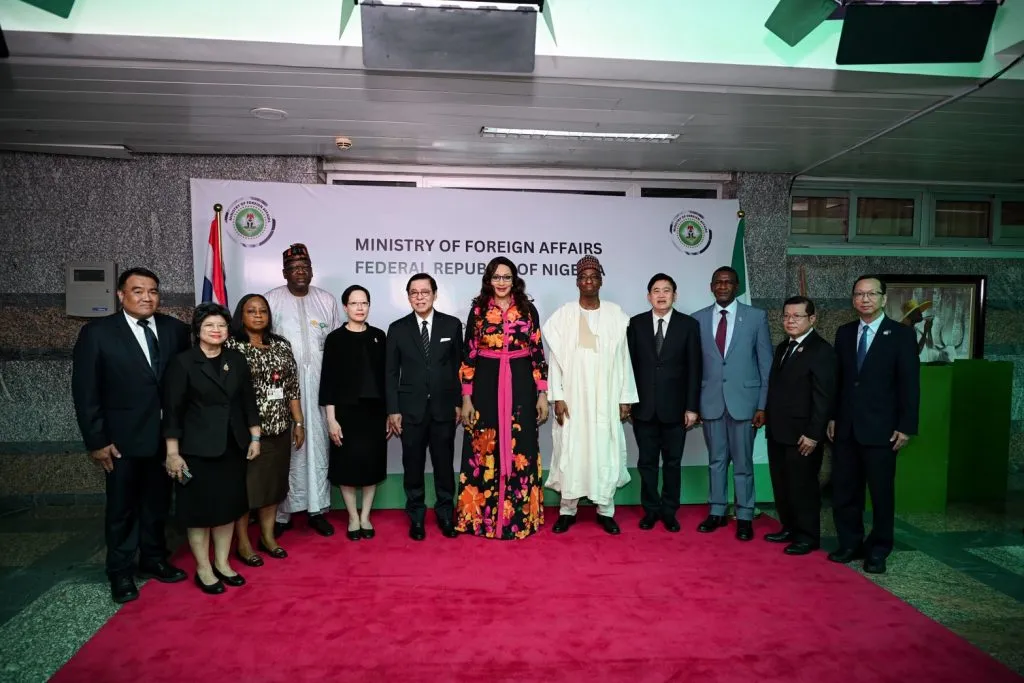
Source: mfa.go.th – Website
The plan in the immediate term will be to involve more Thai companies, which was the purpose of the Thailand-Nigeria Business Forum in Lagos on August 27th. There, Thai businesses explored investment opportunities and potential partnerships with Nigerian counterparts.
Sihasak has described Nigeria as a strategic partner with the potential to connect Africa and Southeast Asia, widening the implications of the relationship beyond what current trade figures alone might suggest.
As Africa’s most populous nation and a major economic and political power in the region, Nigeria presents a unique opportunity for Thai companies to gain a stronger foothold in the region through deeper commercial ties.
Team Thailand is also working to ensure the relationship isn’t just a straightforward search for new markets.
“We are not merely looking to capitalize on business, trade, and investment opportunities,” Sihasak said during his visit. “We want to come in as a partner.”
Thailand’s continental strategy
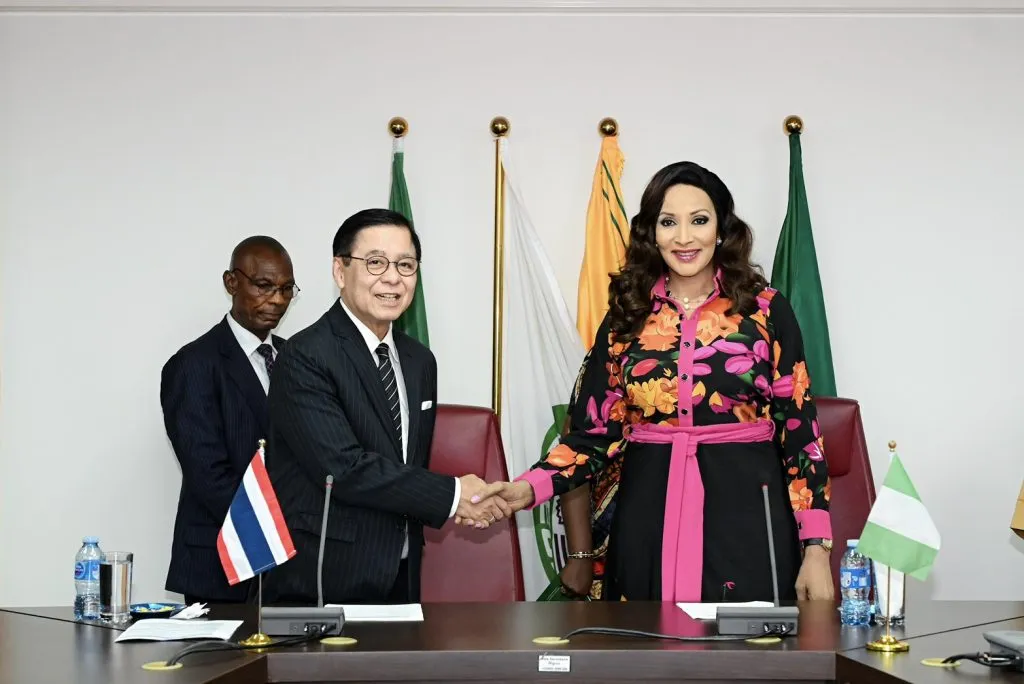
This partnership approach sits at the heart of the revived Thailand-African Initiative (TAI), which Bangkok is leveraging to broaden engagement with the continent across political, economic, and development cooperation.
“Solidarity among countries of the Global South – South-South cooperation – is extremely important,” Sihasak said. “This means helping one another wherever we can.”
Shihasak’s meeting with the Economic Community of West African States (ECOWAS) on August 26th added yet another layer to that strategy. Thailand has appointed its ambassador to Nigeria as the Kingdom’s first permanent representative to the regional bloc, while ECOWAS expressed interest in serving as a gateway between West Africa and Southeast Asia.
The timing is notable as Thailand and Nigeria prepare to mark 64 years of diplomatic relations in November, with the most recent major high-level visit between the countries taking place as far back as 2013.
Bangkok’s overture to Abuja therefore represents an attempt to transform that relationship into something more commercially substantial. From there, the question becomes whether Thai businesses and development partnerships can further sustain Thailand’s presence on the African continent.

 Teerin Julsawad