

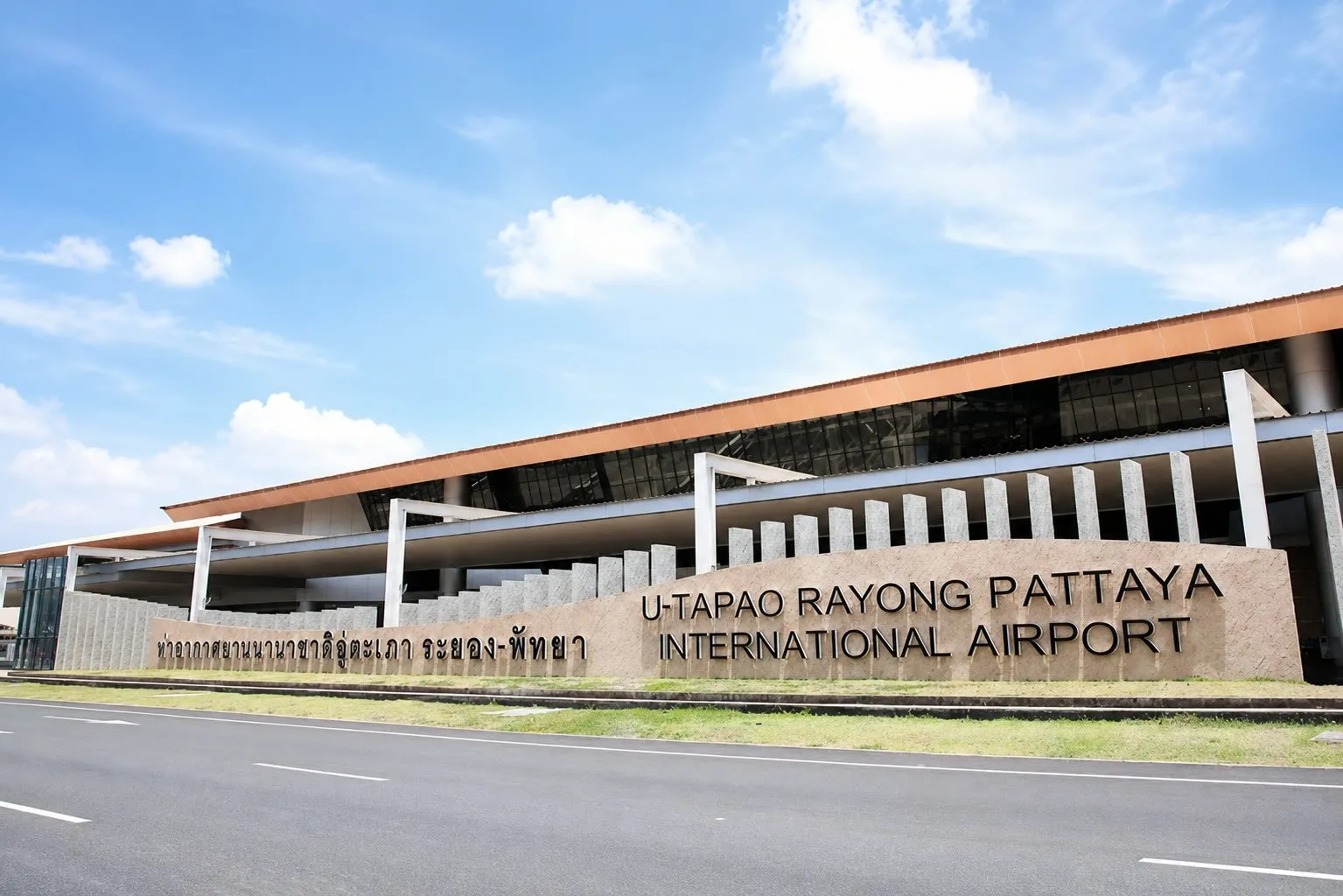
Thailand is doubling down on its U-Tapao airport project, approving a package of tax, investment, and immigration measures intended to court businesses and turn the planned Eastern Aviation City into a broader economic hub.
The Cabinet on August 25th acknowledged the measures’ necessity, following a resolution by the Eastern Economic Corridor Policy Committee. Authorities have instructed relevant agencies to put the measures into effect by September 30th, 2026.
The timing is significant for a project that has been in development for years. The Eastern Economic Corridor Office (EECO) and the U-Tapao International Aviation Co., Ltd. signed the public-private partnership agreement in June 2020, but the government’s latest measures are aimed at moving beyond the infrastructure itself and focusing more on cultivating business activity around it.
Key Takeaways
- Thailand’s Cabinet acknowledged a package of tax, investment, and immigration measures for U-Tapao Aviation City on August 25, 2026, with agencies instructed to implement them by September 30, 2026.
- The government is shifting emphasis from airport infrastructure toward business activity around Eastern Aviation City, building on the public-private partnership signed in June 2020.
- The package proposes double deductions for eligible capital and operating expenditures, additional incentives for skills and technology, a lower tax rate for international air transportation businesses, and EECa Visa access for eligible foreign workers and businesses.
- Authorities also plan lower property lease and transfer registration fees, Free Trade Zone adjustments, and feasibility studies for a cruise terminal, yacht marina, and feeder transport systems.
- The EECO estimates the project could attract THB 1.3 trillion in private investment, create more than 63,701 jobs, add about 400,000 foreign tourists a year, generate THB 20 billion in local spending, and contribute more than THB 37 billion to GDP in its first year of operation.
Slashing the cost of doing business
Source – techsauce.co – Website
The main incentive is a proposed double deduction for eligible capital and operating expenditures when businesses calculate corporate income tax. Additional incentives are on the table for companies that employ highly skilled workers, use advanced technology or clean energy, transfer knowledge and technology, or invest in high-value assets in targeted industries.
The package also includes a lower corporate income tax rate for international transportation businesses engaged in air transportation. These tax incentives will initially be provided for five-year periods, with their effectiveness to be assessed before any extension.
Deputy Government Spokesperson Lalida Persvivatana said the measures are intended to create “real economic activity” around the aviation city.
The government is also looking to make it easier for foreign businesses and workers to operate in the area through the EECa Visa, a special temporary residency visa for employment and business purposes in the Eastern Aviation City Special Economic Promotion Zone (EEC-a).
Developing a hub around the runway
Source – utapao.com – Website
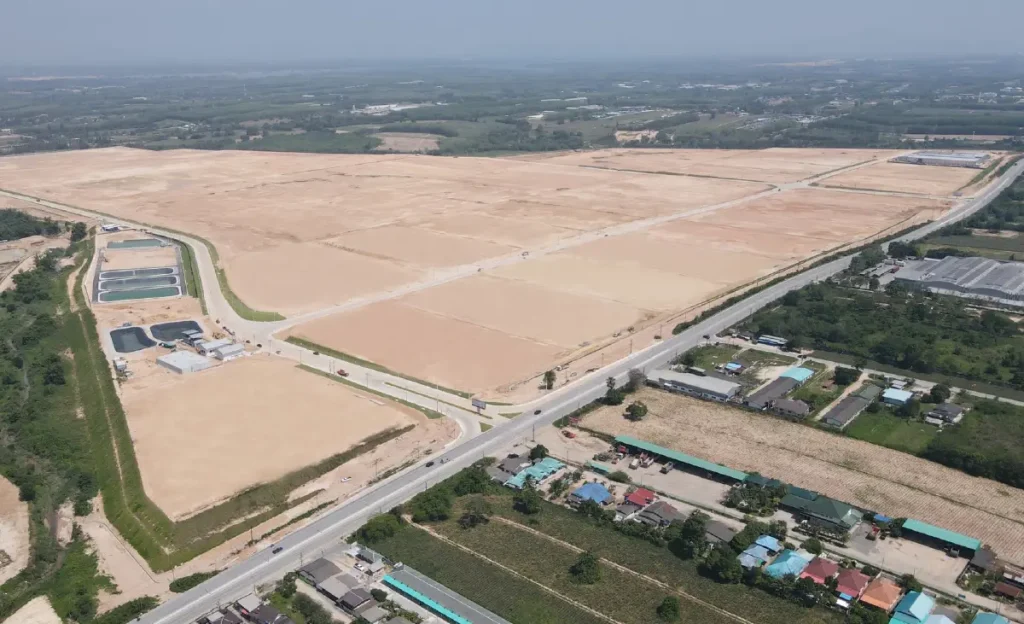
The measures also extend beyond companies directly involved in aviation, with the government planning to reduce registration fees for leases and transfers of real estate, while studying the feasibility of a cruise terminal, yacht marina, and feeder transport systems.
The idea is to connect U-Tapao more closely with tourism and transportation along with logistics and investment in the surrounding area. Adjustments are also being made to Free Trade Zone tax and duty exemptions, while authorities will establish rules covering the importation, maintenance, and storage of cars, including sports cars and privately owned collector cars.
“The EECO estimates that they will stimulate approximately 1.3 trillion baht in private-sector investment over the life of the project, create more than 63,701 jobs, increase the number of foreign tourists by approximately 400,000 per year, and generate around 20 billion baht in additional local spending once operations begin,” Lalida said. ”They are also expected to generate more than 37 billion baht in gross domestic product (GDP) in the first year of operation, with continued growth expected throughout the project’s lifespan.”
The hope is that the incoming measures together with foreign talent and surrounding development can help give rise to an economic center in its own right while major infrastructure, in addition to serving the economy by moving people and goods, can actually reshape it towards higher-value activity.

 Teerin Julsawad
  Thailand NOW