

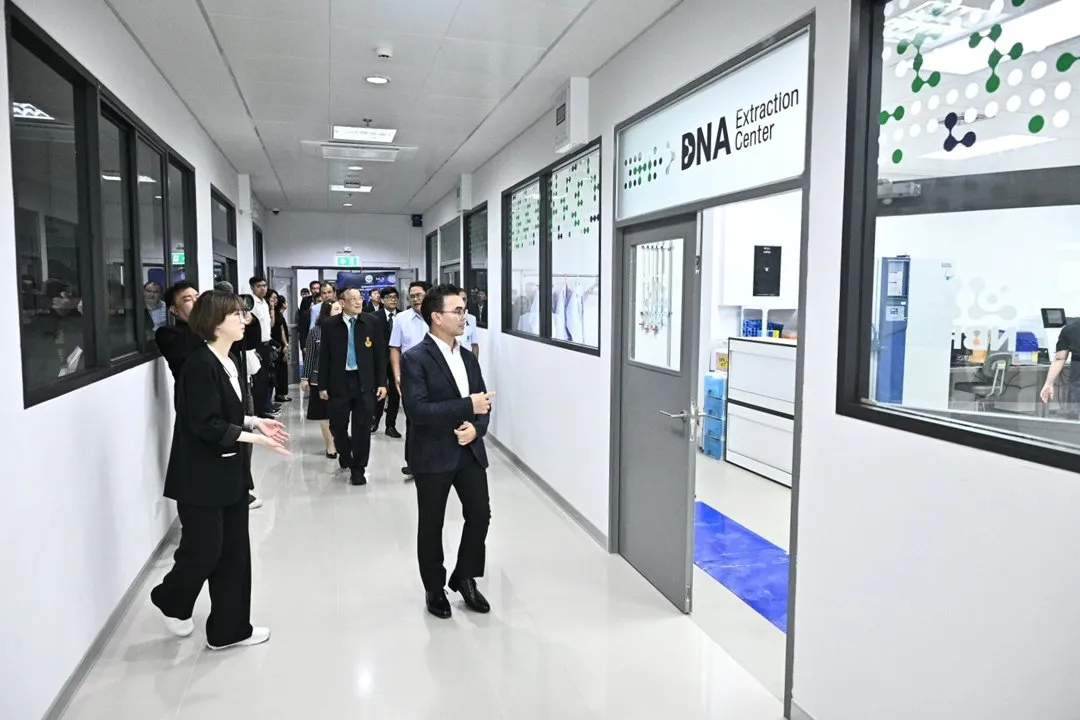
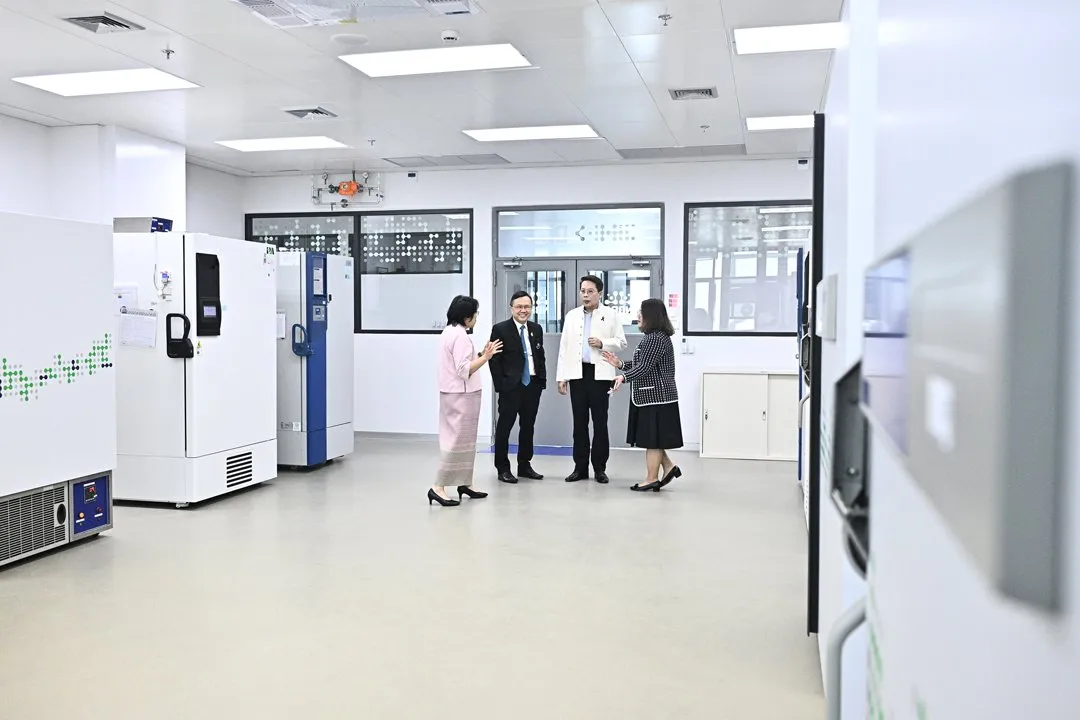
Thailand has launched a National Bioresource Center (NBRC) to bring the country’s biological research materials under a coordinated system, with the capacity to store more than 50,000 high-quality samples and a repository containing more than 6 million newborn blood samples.
Source: The Department of Medical Sciences Ministry of Public Health Official Website
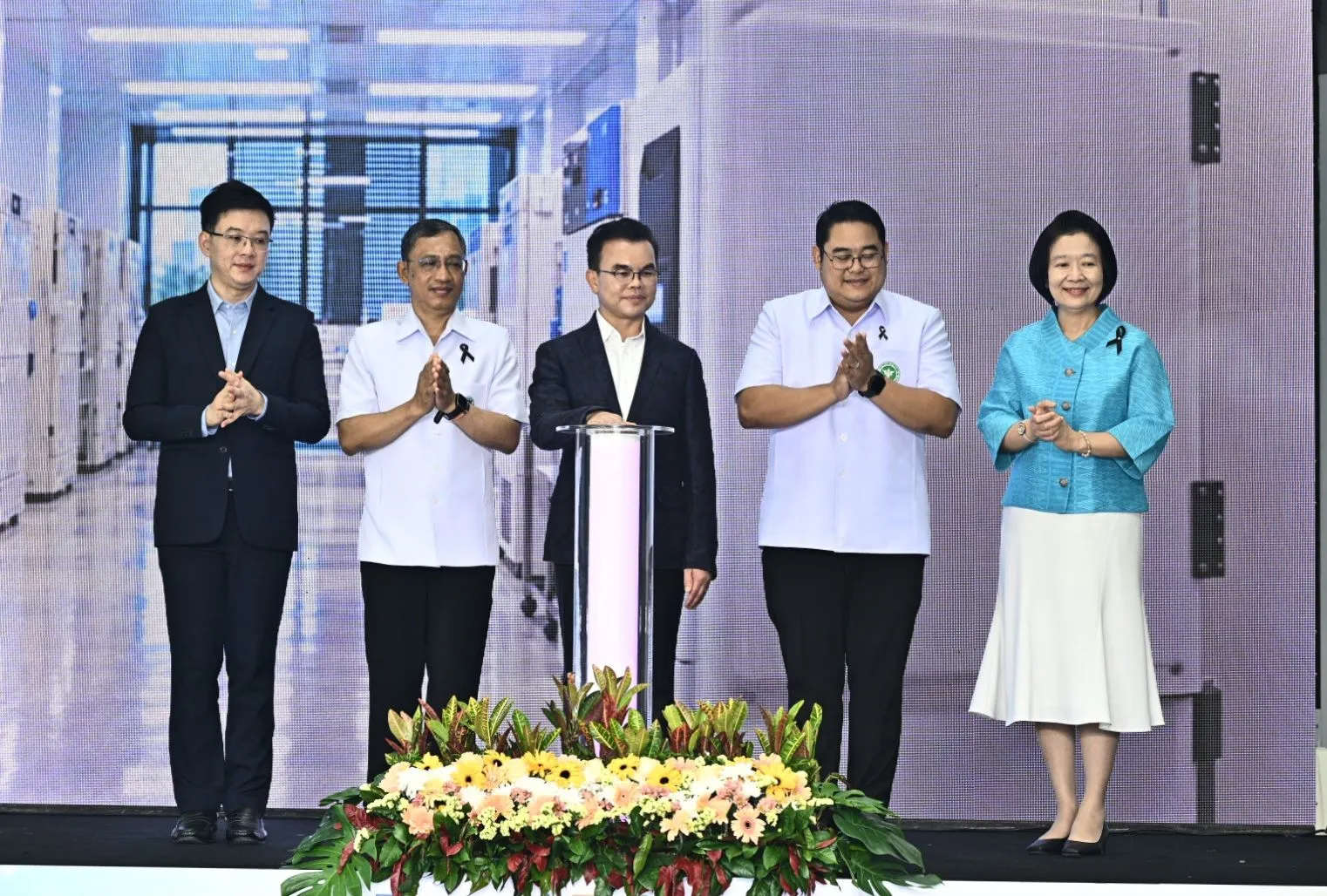
The center was announced on September 30th by the Department of Medical Sciences (DMSC), under the Ministry of Public Health, as part of a broader effort to strengthen medical research and turn laboratory discoveries into practical health care applications.
But what exactly is a bioresource center? Essentially, it is a system for collecting, preserving, managing, and making biological materials available for research. These materials, along with their associated data, can help scientists study diseases, develop diagnostic tests, and investigate potential treatments.
Source: The Department of Medical Sciences Ministry of Public Health Official Website
The NBRC brings together four areas of biobanking: microorganisms, plants, animals, and humans. The aim is to manage these different resources under consistent procedures while making it easier for research institutions to share information and avoid duplicating work.
According to the department, the center operates under a quality management system based on ISO 20387:2018, an international standard covering the competence and operation of biobanks. This includes requirements for sample preservation, quality control, traceability, and data confidentiality.
Human biological samples also raise important questions about privacy and consent. The department says access to these materials will be governed by ethical safeguards, including prior informed consent and mutually agreed terms for their use and the sharing of benefits.
Source: The Department of Medical Sciences Ministry of Public Health Official Website
The launch coincided with the department’s presentation of its achievements for fiscal 2026, including advances in precision medicine. It reported that cumulative HPV DNA screening had reached 1.33 million people, while whole-exome sequencing, a technique used to examine protein-coding regions of DNA, had achieved a 43% diagnostic yield among critically ill children and patients with rare diseases.
These developments are separate from the newly launched center, but illustrate the types of medical research and diagnostic work that Thailand is seeking to strengthen.
The NBRC is intended to connect biological resources, laboratory data, and researchers across institutions, providing a shared foundation for future medical and public health innovation.

 Thailand NOW
  Paul Rujopakarn