

Thailand is betting that deeper ties in Africa can give Thai businesses and policymakers a stronger foothold in a continent it increasingly sees as a key trading partner.
Deputy Prime Minister and Foreign Minister Sihasak Phuangketkeow used his recent visit to Addis Ababa to push a broader strategy for the Kingdom’s presence across the continent.
The August 28th visit was Sihasak’s first to Africa since taking office, and came as Bangkok seeks to give new momentum to its revived Thailand-Africa Initiative (TAI). It also brought him back to Ethiopia 13 years after his previous visit, when he was Permanent Secretary for the Ministry of Foreign Affairs.
Key Takeaways
- Deputy Prime Minister and Foreign Minister Sihasak Phuangketkeow relaunched the Thailand-Africa Initiative in Addis Ababa on August 28, his first visit to Africa since taking office.
- Sihasak framed the push as South-South cooperation, positioning Thailand as a bridge between ASEAN and Africa on development, climate, and public health issues.
- Thailand and Ethiopia signed a memorandum of understanding on political consultations, creating a formal mechanism for regular policy discussions.
- Thai and Ethiopian officials identified opportunities in trade, investment, and medical and wellness tourism, with a Thai business delegation networking with Ethiopian companies.
- Thailand plans to reopen its Royal Thai Embassy in Addis Ababa, reinforcing diplomatic and commercial infrastructure for a durable presence in Africa.
Putting Africa front and center
Source: mfa.go.th – Website
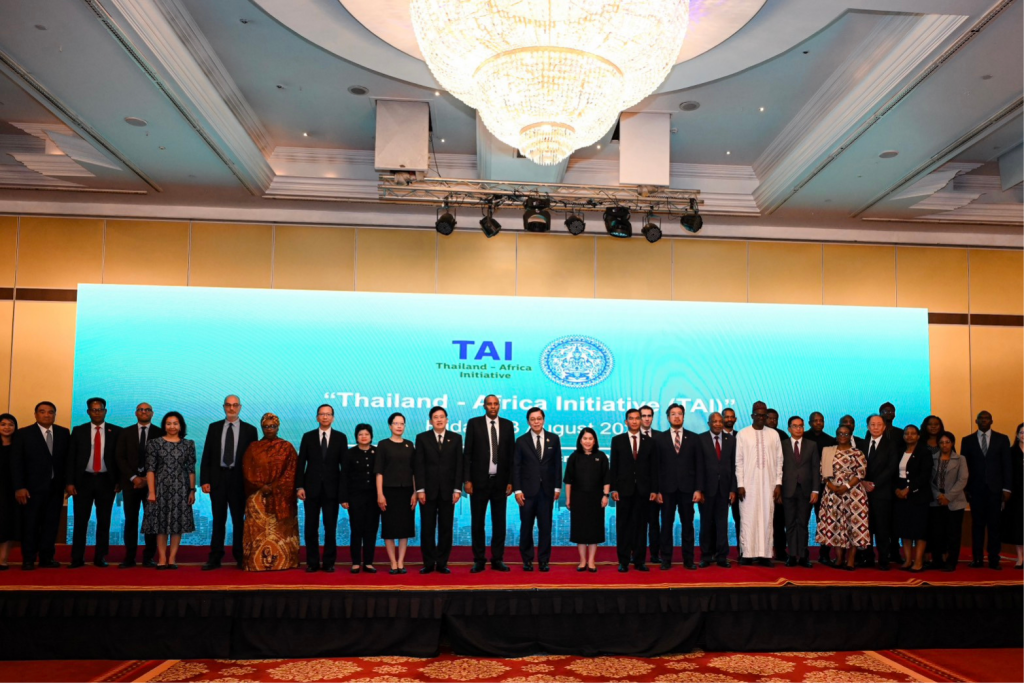
The centerpiece of Sihasak’s visit was the relaunch of the TAI in Addis Ababa, home to the African Union headquarters and often regarded as Africa’s political and diplomatic capital.
The initiative, first launched in 2013 and revived in December 2025, is built around four pillars of cooperation covering political, economic, development, and global strategic issues.
That gives the relationship a wider purpose beyond seeking out new markets, as Thailand moves to position itself as a bridge between ASEAN and Africa while working with other nations on issues ranging from sustainable development and climate change to public health and transnational crime.
“Solidarity among countries of the Global South – South-South cooperation – is extremely important,” Sihasak said during his preceding trip in Nigeria. “This means helping one another wherever we can.”
Thailand and Ethiopia, which is rapidly expanding its manufacturing and logistics capacity, also signed a memorandum of understanding on political consultations, putting in place a formal mechanism for regular policy discussions.
Taking Thai expertise to market
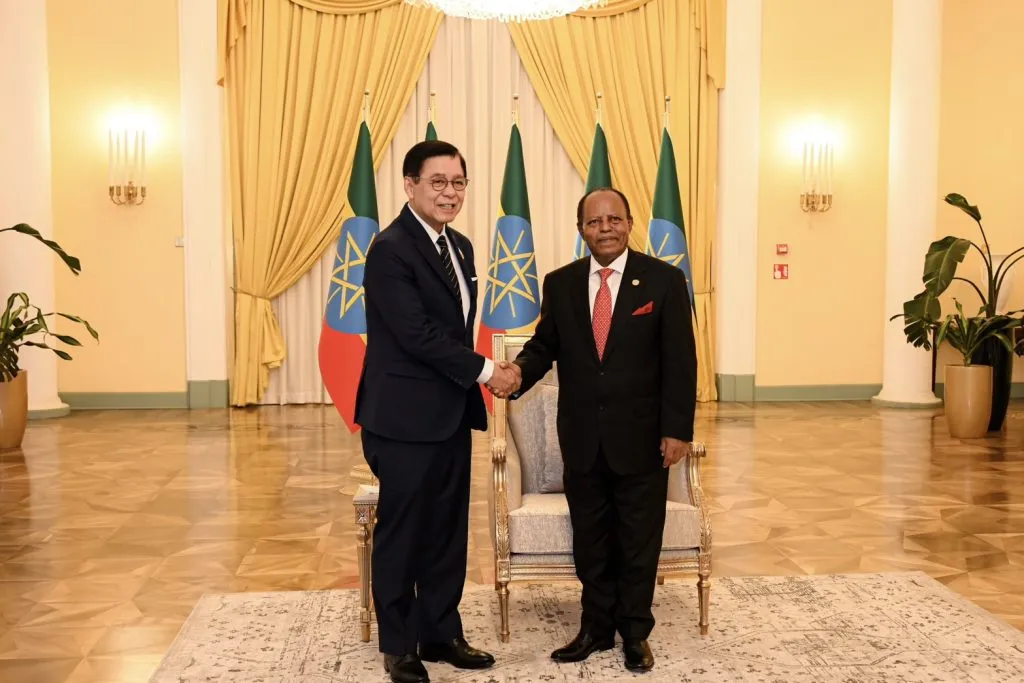
The economic side of that strategy was particularly visible in Sihasak’s meetings with Ethiopian President Taye Atske Selassie and Foreign Minister Gedion Timothewos.
Both sides identified opportunities in areas like trade, investment, and medical and wellness tourism, with Thailand also offering to assist Ethiopia in adding value to agricultural products and raw materials through technology and innovation, as well as agro-processing expertise.
The approach reflects a broader effort to connect development cooperation more closely with private-sector activity. A Thai business delegation accompanying Sihasak took part in networking with Ethiopian companies, adding a direct commercial component to the diplomatic push.
Thailand has been pursuing a similar model elsewhere in Africa, including agricultural cooperation involving sustainable farming techniques and small-scale machinery.
The clearest indication that Thailand wants more substance out of its relationship with Ethiopia may be its plan to reopen the Royal Thai Embassy in Addis Ababa, further strengthening the diplomatic mechanisms behind closer economic and business ties.
The moves come as Thailand steps up efforts to develop and support the diplomatic infrastructure and business partnerships need to establish a more durable presence on the African continent.

 Teerin Julsawad