

Thailand, Southeast Asia’s auto manufacturing powerhouse, is at the heart of a regional transition toward electric vehicles (EVs). Despite a challenging 2024, marked by declining sales and tight credit conditions, the nation’s evolving policy framework and growing investments offer hope for an energetic turnaround heading into 2025 and beyond.
The country’s Board of Investment (BOI), has led efforts to sustain momentum in the EV sector with ambitious policies and incentives. Under the current EV 3.0 package, manufacturers who import EVs must produce an equivalent number of vehicles locally, a ratio set to increase to 1.5:1 in 2025 to encourage domestic production. In July, the BOI announced that unmet commitments under EV 3.0 will transition to the newer EV 3.5 scheme, mitigating oversupply risks and fostering a more sustainable market environment.
The EV 3.5 package is a keystone of Thailand’s strategy to cement its position as a regional EV hub. It requires manufacturers to produce two vehicles domestically for every one imported by 2026, with the ratio increasing to 3:1 by 2027. The BOI has coupled this with reduced excise tax rates for hybrid electric vehicles (HEVs) and mild hybrid electric vehicles (MHEVs), incentivizing local investments and the use of Thai-produced components.
EV challenges in 2024
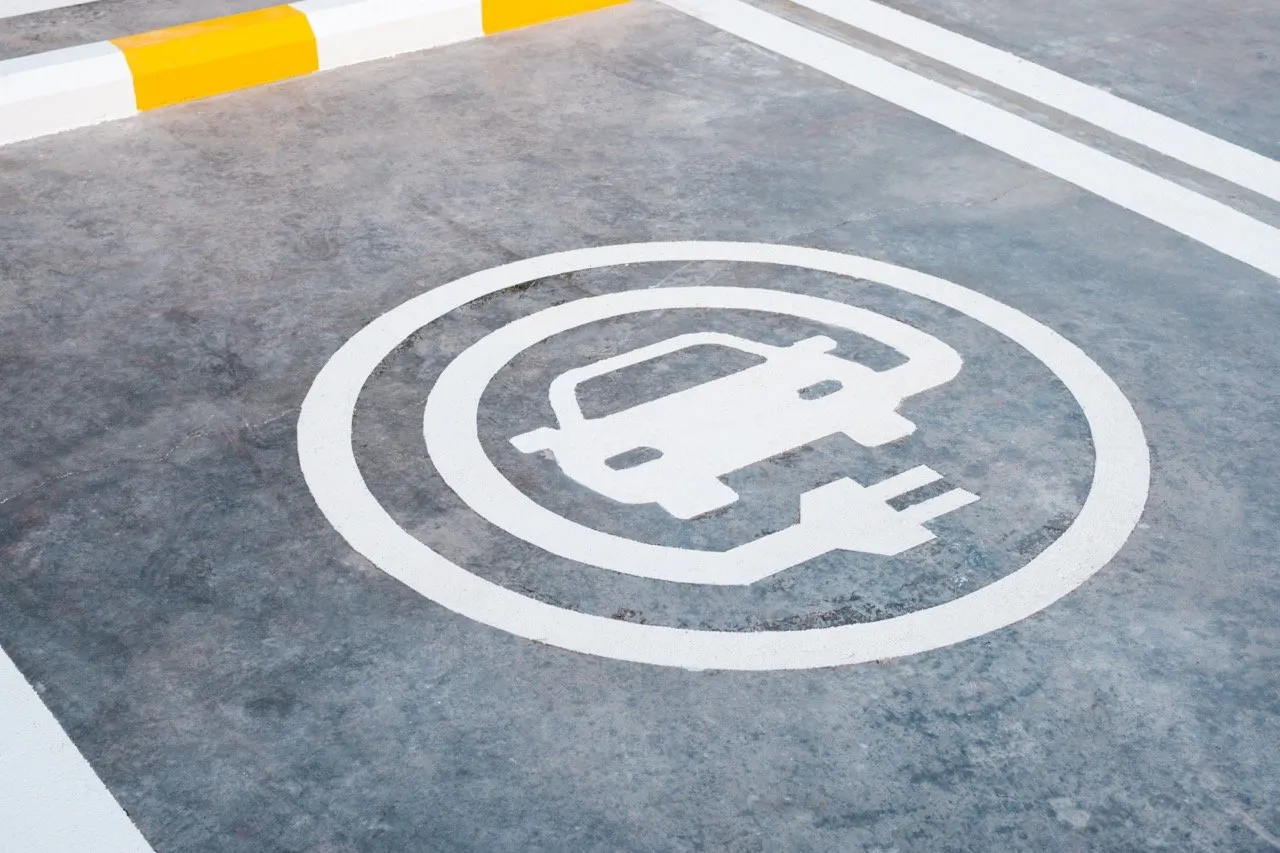
While policies have been robust, the market has faced significant hurdles. Sales of all vehicles in Thailand fell sharply in 2024 due to economic pressures and tight credit conditions, with EVs seeing a more pronounced decline. October sales of battery electric vehicles (BEVs) dropped nearly 50% year-on-year. Despite a modest rise in EV sales compared to 2023, consumer hesitancy — exacerbated by challenges like higher local production costs and insurance difficulties — has tempered enthusiasm.
Global factors have also contributed to the downturn. A survey revealed that 46% of EV owners worldwide are considering a return to internal combustion engine (ICE) vehicles, reflecting dissatisfaction with current EV offerings and the limited availability of charging stations. This consumer sentiment, combined with fierce competition and unsold inventory from Chinese manufacturers, underscores the need for continued innovation and government support.
Opportunities in the EV sector

Despite these challenges, Thailand’s strategic location and policy framework position it uniquely to lead the EV revolution. Chinese firms such as BYD and Great Wall Motors have invested over US$1.44 billion in the country in recent years, underscoring confidence in Thailand’s potential as a production hub. Additionally, EV-specific applications like electric taxis and motorbikes in Bangkok demonstrate the viability of EVs as urban transport solutions.
Thailand’s forward-looking policies further strengthen this foundation. The BOI’s emphasis on carbon dioxide emissions standards and advanced driver-assistance systems (ADAS) requirements for hybrid vehicles aligns with global sustainability goals. These measures, coupled with the EV Board’s decision to extend production deadlines and adapt excise tax structures, reflect a commitment to supporting the industry through its growing pains.
Moreover, emerging battery technologies — such as silicon-anode batteries offering faster charging and extended range — are on the horizon, promising to address consumer concerns and boost EV adoption. Investments in charging infrastructure are also accelerating, providing a critical foundation for future growth.
A brighter EV future
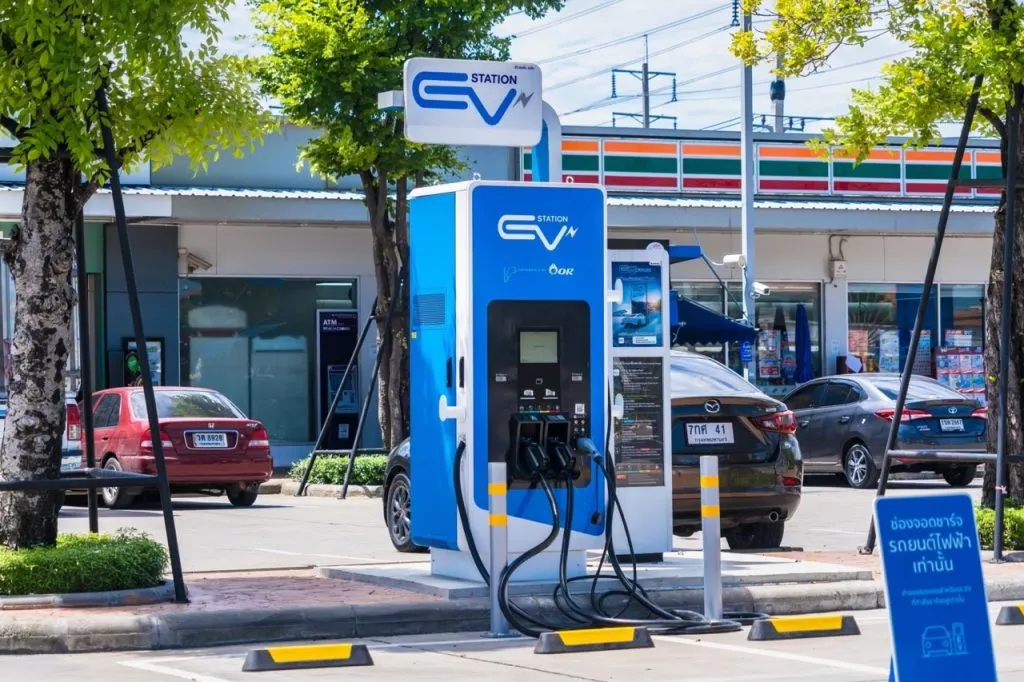
As Thailand transitions into 2025, the message is clear: the EV sector remains a cornerstone of the nation’s economic and environmental strategy. While challenges persist, the government’s proactive measures and the industry’s adaptability signal a promising future. With EVs projected to hold a 14% market share this year, up from 12% in 2023, the foundation is being laid for sustained growth.
If the EV revolution succeeds, Thailand is uniquely positioned to lead Southeast Asia into a cleaner, electrified future. Investors, consumers, and policymakers alike have every reason to anticipate a transformative year ahead.

 Teerin Julsawad