

Thailand has secured over THB137 billion (approximately US$4.1 billion) in investment commitments across 198 electric vehicle (EV) projects, underscoring its ambitions to cement its position as ASEAN’s leading hub for next-generation automotive manufacturing and exports.
Key Takeaways
- Thailand has secured over THB 137 billion across 198 industrial projects to scale up its next-generation automotive manufacturing capabilities.
- Total commitments include THB39.5 billion for battery electric vehicles and THB 9.8 billion for 22,900 charging points, according to Thailand’s Board of Investment in 2026.
- The automotive funding supports over 16,000 Thai workers and is expected to generate more than THB 60 billion in domestic parts procurement.
From Detroit of Asia to EV powerhouse
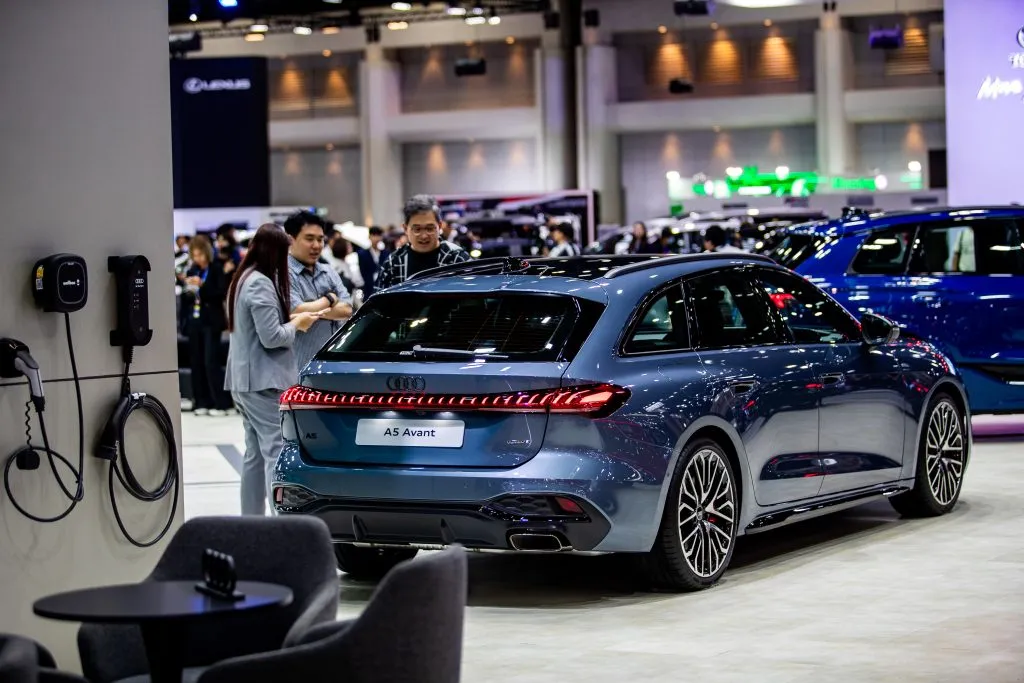
The figures, released by Thailand’s Board of Investment (BOI), span the entire EV value chain from mild hybrids (MHEVs), hybrids (HEVs), plug-in hybrids (PHEVs), and battery electric vehicles (BEVs) to battery production, critical components, charging infrastructure, and battery swapping facilities.
Speaking at the International Electric Vehicle Technology Conference and Exhibition (iEVTech) 2026 in Bangkok, BOI Secretary General Narit Therdsteerasukdi said Thailand’s strategy is to support major EV technologies while building an integrated automotive ecosystem.
Essentially, Thailand is seeking to expand beyond vehicle assembly and into areas increasingly viewed as essential to long-term competitiveness in the global EV race. These include batteries, intelligent systems, software, research and development, testing facilities, charging infrastructure, and advanced automotive components.
An industry built from the ground up
The investment breakdown highlights the breadth of Thailand’s strategy.
BEV manufacturing accounts for the largest share, with THB39.5 billion invested across 18 projects, followed by THB29.9 billion in seven HEV projects and THB9.4 billion across seven PHEV projects. Another THB33.5 billion has been committed to battery and energy storage systems (Battery & ESS) through 57 projects, while 49 projects worth THB 12.5 billion target critical EV components such as traction motors, battery management systems, and power control units.
Infrastructure is also expanding rapidly, with 42 projects worth nearly THB9.8 billion to install more than 22,900 charging points nationwide, including over 10,000 fast chargers, helping address one of the key barriers to wider EV adoption.
The BOI said the shift reflects an evolution from attracting individual manufacturers to cultivating a fully integrated industrial supply chain that can support production, innovation, and exports over the long term.
Factories open amid bets on local suppliers
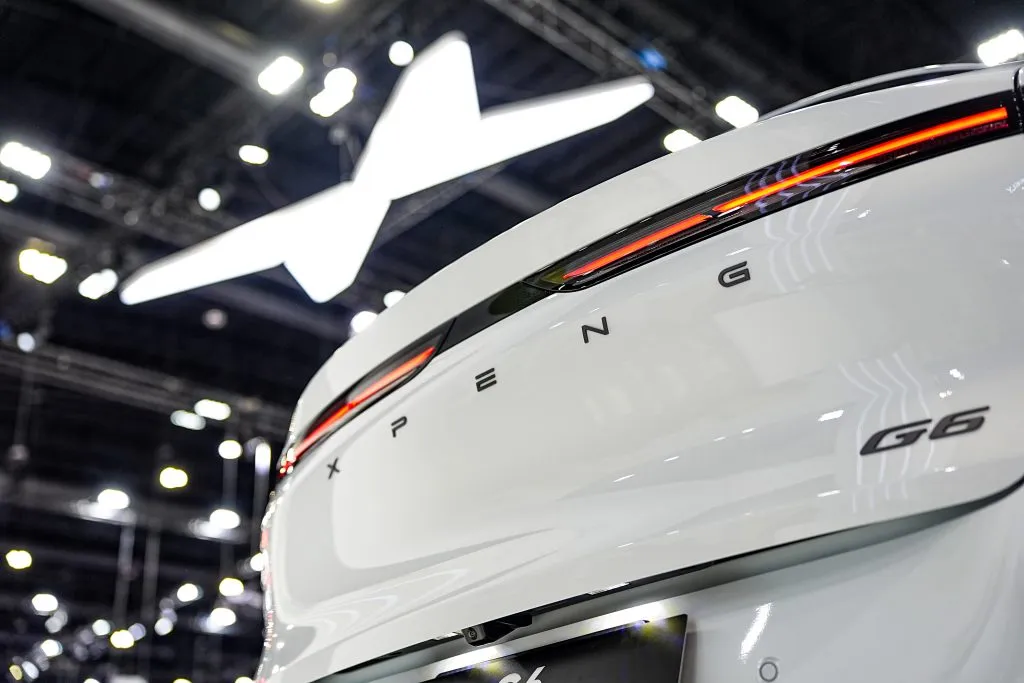
Most automakers that secured BOI incentives over the past several years have now begun producing BEVs in Thailand, including Mercedes-Benz, Great Wall Motor, SAIC Motor-CP, BYD, Aion, Changan, and EV Primus. BMW, Hyundai Mobility, and Omoda & Jaecoo joined that list in 2026.
Collectively, the investment-backed manufacturers employ more than 16,000 Thai workers.
The government is also working to ensure domestic companies benefit from the influx of foreign investment. Through initiatives including Subcon Thailand and Sourcing Day, the BOI has organized 18 business matching events over the past two years, generating more than 1,200 business matches involving over 800 Thai component manufacturers. The agency expects those partnerships to generate over THB60 billion in domestic parts procurement.
With EVs accounting for more than 44% of new vehicle registrations in Thailand last year, up from just 3% five years earlier, demand, manufacturing capacity, and supply chain development are now advancing in tandem, reinforcing Thailand’s powerhouse position at the forefront of Southeast Asia’s EV transition.

 Teerin Julsawad