

A Thai delegation is currently in Chile for meetings with government agencies, financial institutions, and private-sector partners. Led by Advisor to the Foreign Minister Karn Karuhadej and joined by Thailand’s ambassador to Chile, the delegation held talks with the country’s Ministry of Foreign Affairs on opportunities to strengthen bilateral cooperation.
A new round of high-level engagement
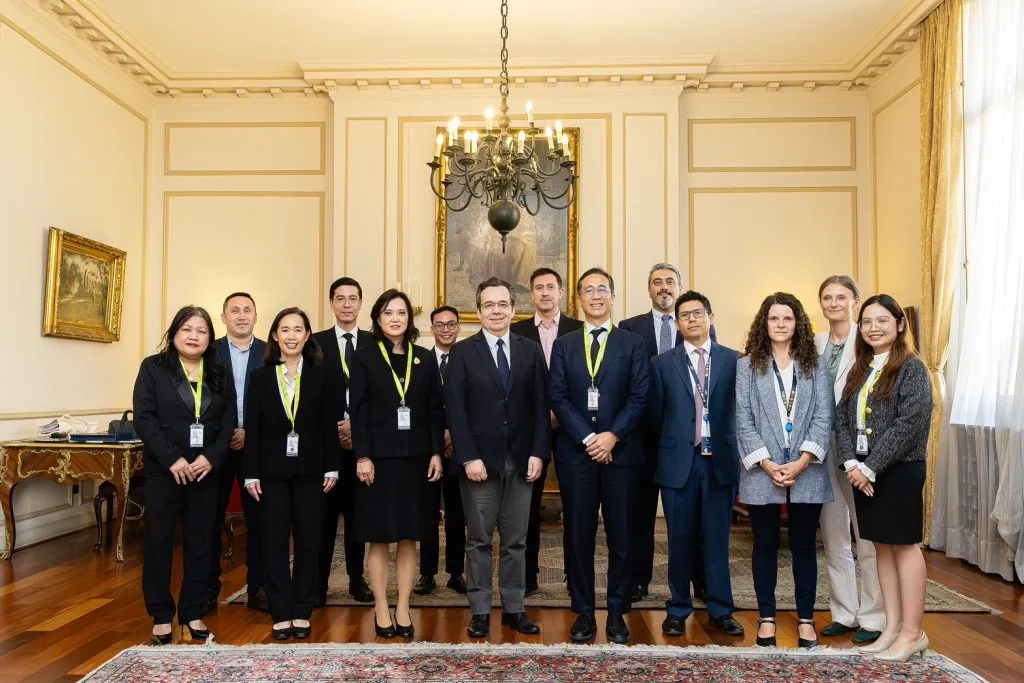
At the outset, Thai officials expressed condolences over recent wildfires in Chile’s Biobío and Ñuble regions and pledged financial assistance for disaster relief, underscoring the diplomatic tone of the visit.
Discussions focused on expanding trade and investment, improving use of the Thailand–Chile Free Trade Agreement (FTA), and exploring collaboration in agriculture, critical minerals, and financial technology. Additionally, Chilean officials voiced interest in joining the Regional Comprehensive Economic Partnership (RCEP) and expressed support for Thailand’s bid to join the Organisation for Economic Co-operation and Development (OECD).
Thai representatives also met with the Central Bank of Chile, InvestChile, the Chilean Fintech Association, and the Financial Market Commission to exchange expertise on financial regulation and innovation, areas that both countries see as future growth sectors.
A partnership built over decades
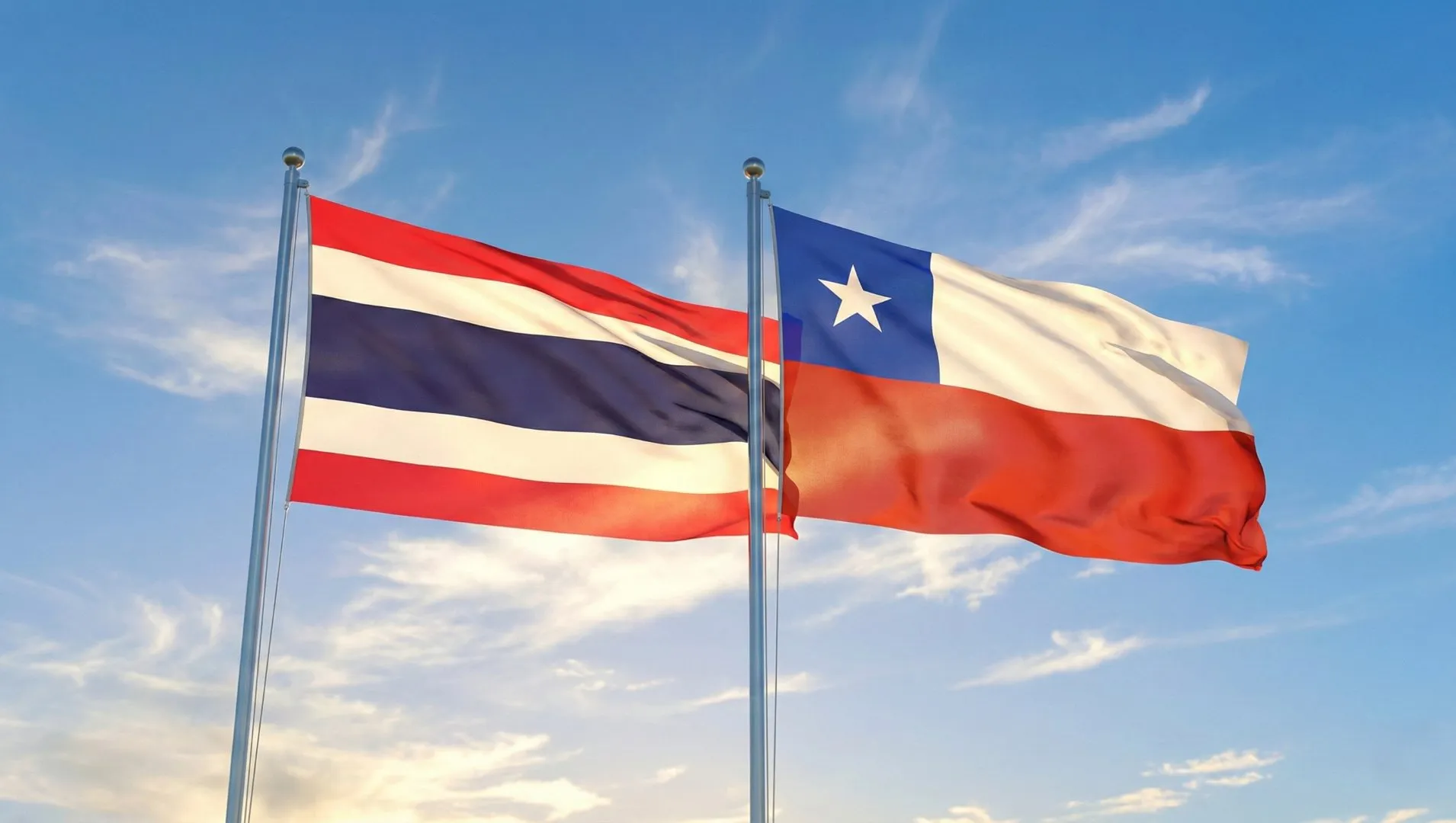
Thailand and Chile have maintained friendly relations for more than 60 years, with the economic dimension accelerating in recent years.
The 10th anniversary of the bilateral FTA in 2025 marked a turning point, with trade diversifying beyond commodities into creative industries, technology, and renewable energy. Thailand has become Chile’s largest market in ASEAN, with bilateral trade reaching roughly US$500 million in 2025, reflecting steady growth and expanding cooperation.
Chilean exporters have increasingly targeted Thailand with products ranging from seafood and fruit to wine and wood products, while Thai businesses are exploring opportunities in Chile’s innovation ecosystem and clean-energy sector, including green hydrogen.
Officials and trade experts in both countries have repeatedly emphasized that the FTA still has untapped potential, encouraging companies to expand operations, diversify products, and use Chile as a gateway to Latin America’s roughly 600 million consumers.
Chile as a gateway to Latin America
For Thai policymakers, Chile’s economic stability, open trade policies, and advanced logistics make it an attractive springboard into Latin America.
The strategy is in line with Thailand’s wider economic diplomacy, which has increasingly emphasized the region. Seminars and business summits in Bangkok have highlighted Latin America’s growing purchasing power and rising demand for food, agriculture, and services, areas in which Thai firms are competitive.
Cultural and creative exchanges are also gaining momentum. Thai media companies recently secured millions of dollars in distribution and co-production deals in the Americas, while tourism authorities have stepped up promotion in Spanish-speaking markets, where visitor numbers to Thailand have been rising steadily.
Expanding a two-way relationship
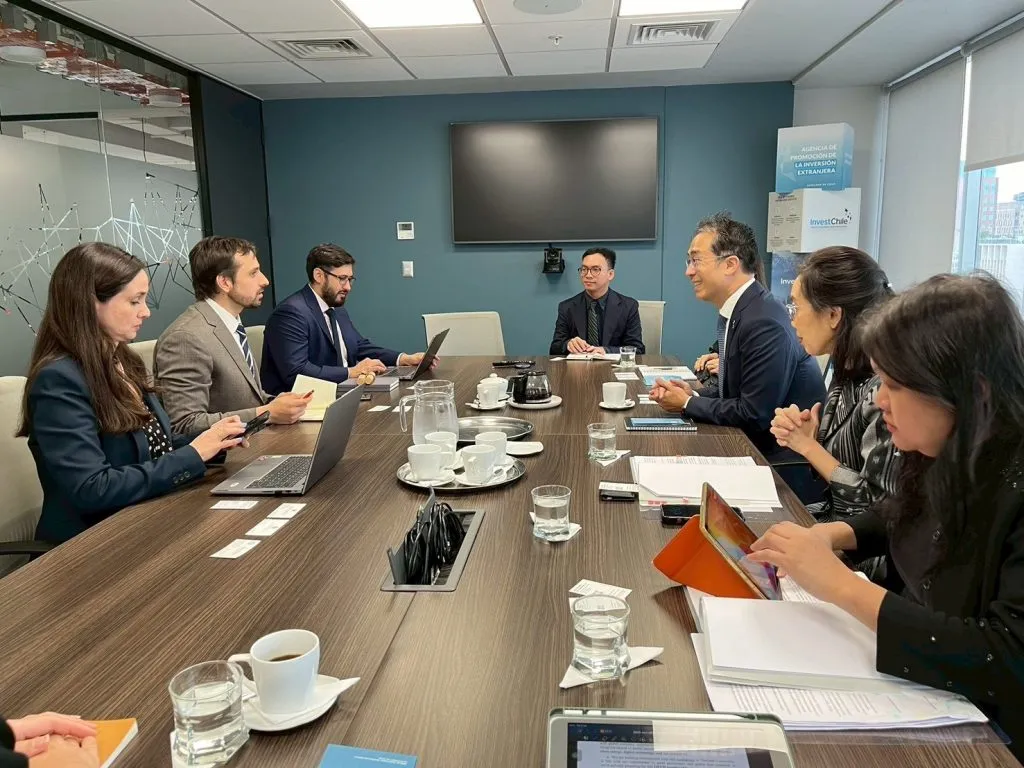
Taking the wider view, the February visit to Chile serves to illustrate Thailand’s efforts to build diversified partnerships with its traditional markets in Asia and Europe.
By strengthening links with Chile, one of the most globally integrated economies in Latin America, Bangkok is positioning itself to tap into new supply chains, technology networks, and consumer markets across the hemisphere.
If current trends continue, the Thailand–Chile partnership may serve as a model for how mid-sized economies on opposite sides of the world can build practical, mutually beneficial ties in an increasingly multipolar global economy.

 Teerin Julsawad