

Thailand has set its sights on a new milestone: membership in the group of developed economies, the Organisation for Economic Co-operation and Development (OECD).
The Ministry of Foreign Affairs (MFA) recently hosted the launch ceremony for Thailand’s OECD accession process, chaired by Foreign Minister Maris Sangiampongsa and OECD Secretary-General Mathias Cormann.
This isn’t just a symbolic move; it’s a calculated leap that could reshape Thailand’s economic trajectory, propelling it from a renowned tourist haven to a regional powerhouse. Thailand NOW explores how the country seeks a brighter future for its citizens through sustainable development and economic growth and the potential long-term impacts of OECD membership on Thailand’s future.
A strategic move for Thailand’s future
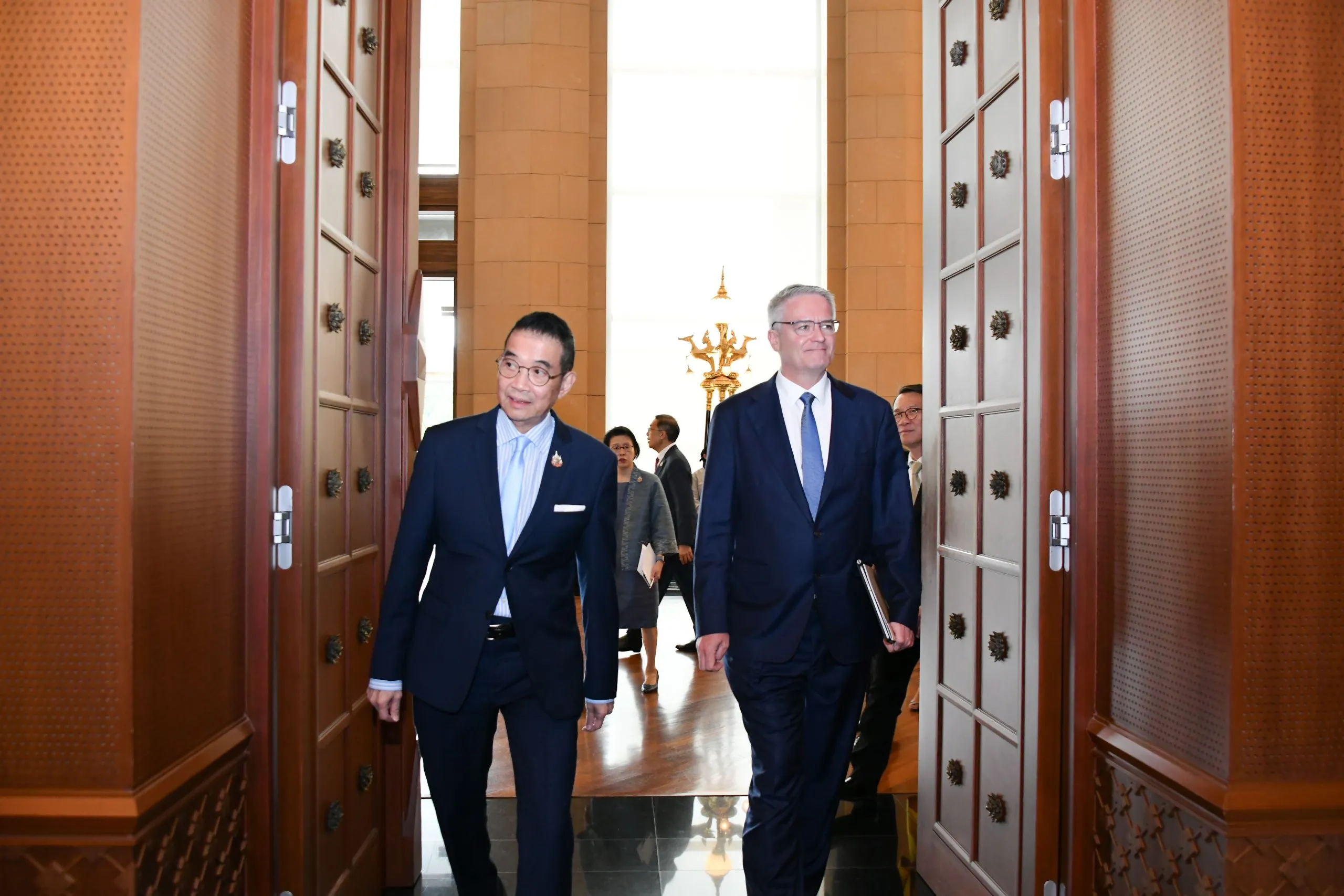
This milestone holds significant implications for Thailand’s future economic development, and its progress will be closely watched by both domestic and international stakeholders.
“Thailand’s accession process follows a remarkable economic trajectory over the past two decades,” said OECD Secretary-General Cormann, noting that the country is Southeast Asia’s second-largest economy and GDP per capita rising to 38% of the OECD average in 2022, up from 27% two decades ago.
According to Foreign Minister Sangiampongsa, Thailand’s aspires to use economic diplomacy to strengthen its role on the international stage “as bridge-builder between all partners,” citing the country’s active role in various regional bodies such as APEC, ACD, ASEAN, BIMSTEC, and various Mekong sub-regional frameworks.
The allure of OECD membership
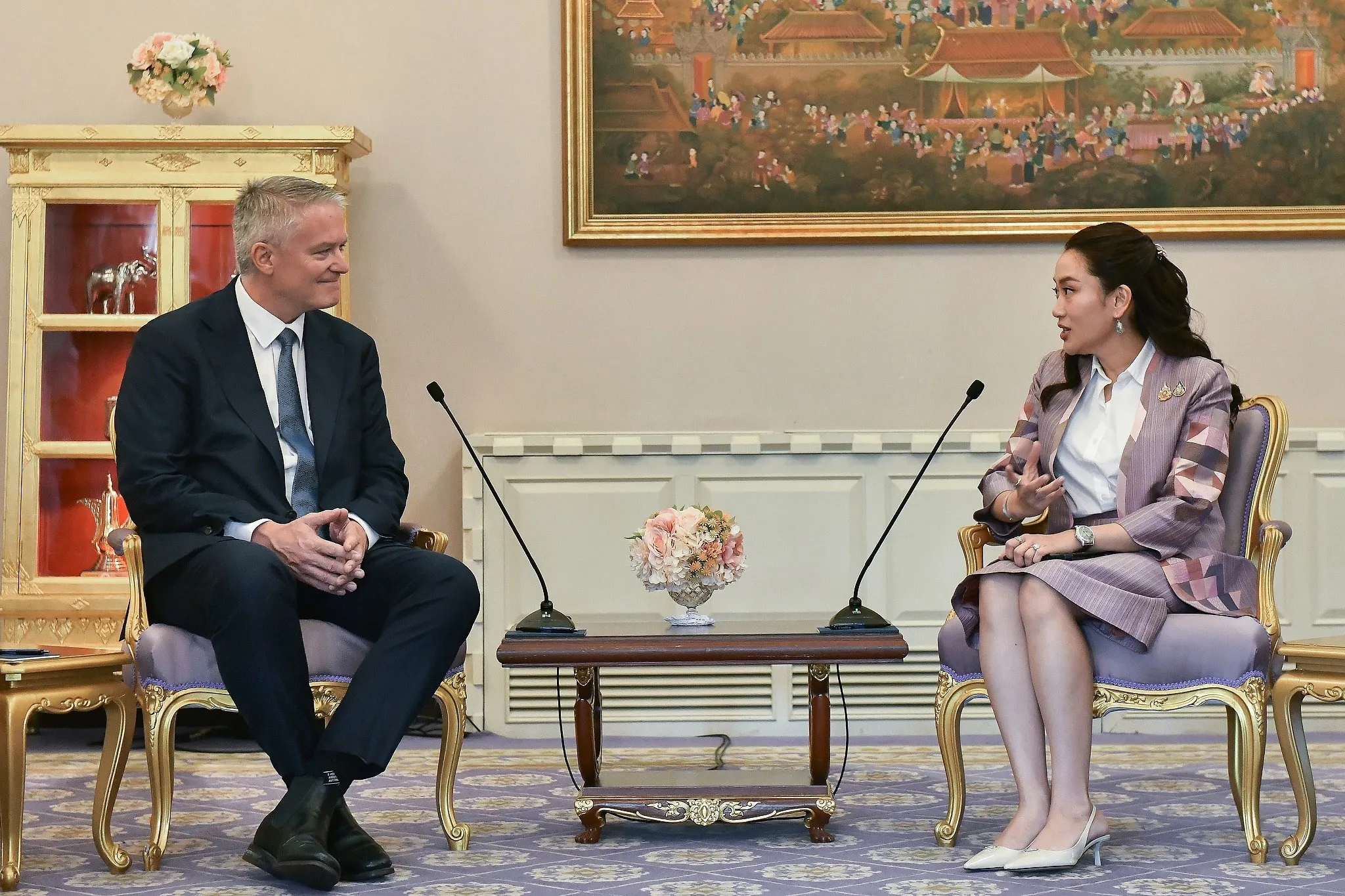
So, what is in it for Thailand? Ostensibly, OECD membership could help Thailand emerge as a competitive player on the global stage by unlocking a range of economic benefits.
One key advantage lies in the potential for significant GDP growth. Historically, OECD countries have enjoyed a higher average annual GDP growth rate compared to non-members. By joining the OECD, Thailand could boost its GDP by 1.6%, translating to roughly THB200 billion.
Beyond pure economic growth, Thailand also stands to gain from increased trade and investment. The OECD acts as an indicator for potential investors, signifying adherence to international standards and best practices. This has been demonstrably beneficial for other countries — Poland, for instance, witnessed a staggering 16-fold increase in foreign direct investment (FDI) after joining the OECD.
The benefits also extend beyond just financial gain. Membership encourages policy reforms across crucial sectors like education, healthcare, and labor. This can lead to improved job creation and labor development, as evidenced by Chile’s success story. By aligning with OECD policies, Chile witnessed a substantial rise in employment rates, reflecting a more robust and inclusive labor market.
Thailand’s history with the OECD
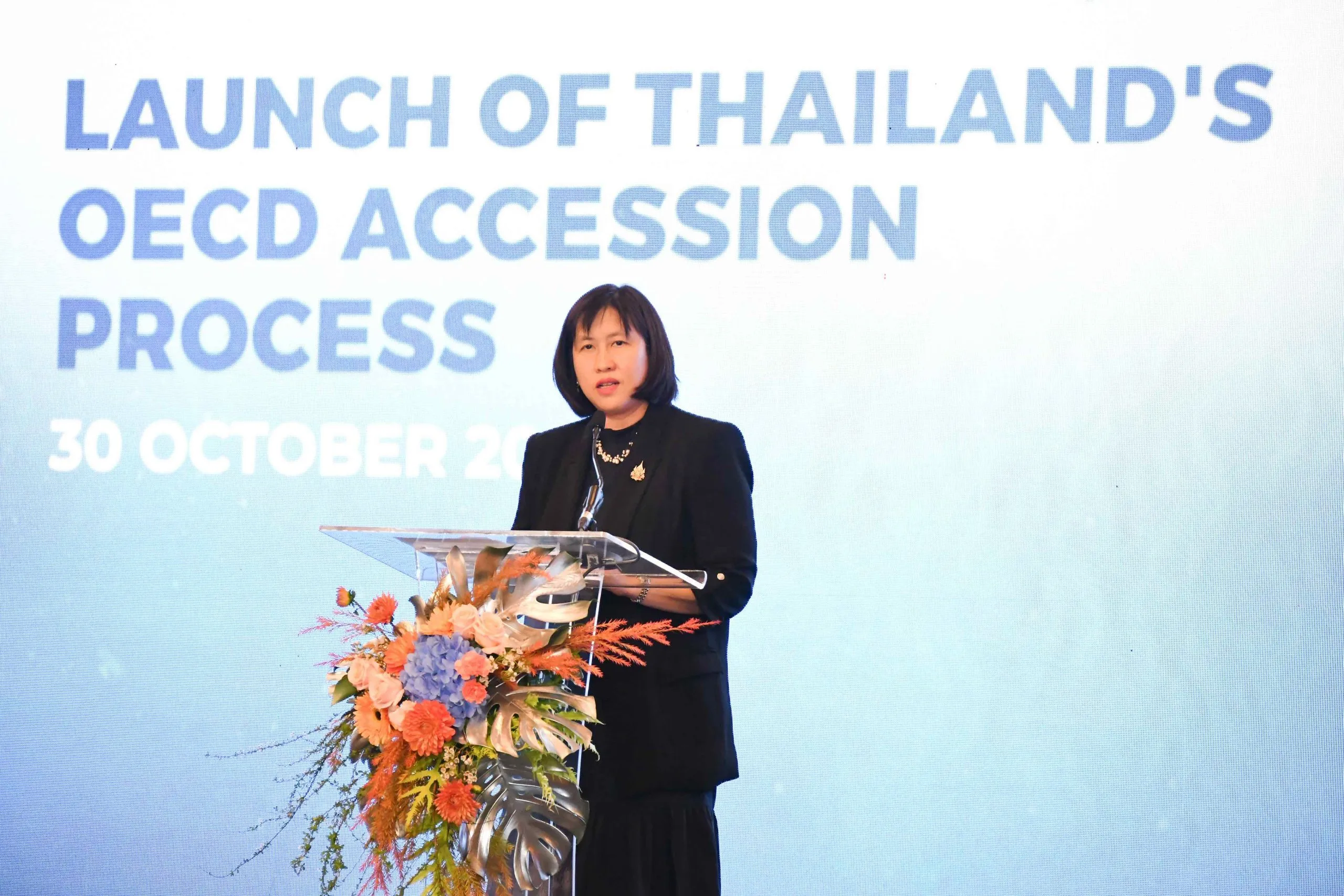
Driven by its ambition to become a leading economy by 2037, Thailand has actively engaged with the OECD in various capacities for over four decades, and had even first considered membership 20 years ago. More recently, Thailand has been in talks with OECD on Phase 2 of the Thailand Country Programme, making OECD membership “the next, natural step of this cooperation” according to Foreign Minister Sangiampongsa.
With 38 member countries, including only Korea and Japan from Asia, the OECD requires a rigorous evaluation for membership. The application process, reviewed by the OECD’s council, typically spans 7-8 years. However, Thailand plans to shorten the timeline to just five years.
Thailand’s push to join the OECD gained momentum following a visit by a Thai Ministry of Foreign Affairs delegation to the OECD headquarters in Paris on April 16th, 2024. There, Thailand expressed a strong interest in membership and its commitment to further aligning the Southeast Asian nation’s economic and governance standards with OECD criteria, which has been well-received by member countries.
Thailand officially submitted the letter of intent to the OECD on February 21st, 2024 marking Thailand’s bid toward its international economic integration.

 Paul Rujopakarn
  Teerin Julsawad