

On November 14th, 2024, a ceremony was held at the Isara Vinijchai Throne Hall, Bangkok National Museum, marking the return of ancient artifacts from the UNESCO-listed Ban Chiang Archaeological Site, underscoring ongoing international efforts to combat illicit trafficking in cultural property.
This event, organized by the U.S. Embassy in Bangkok in collaboration with the UNESCO Regional Office in Bangkok and the Fine Arts Department of Thailand, highlighted a critical step towards cultural restitution and the strengthening of international partnerships in preserving global heritage.
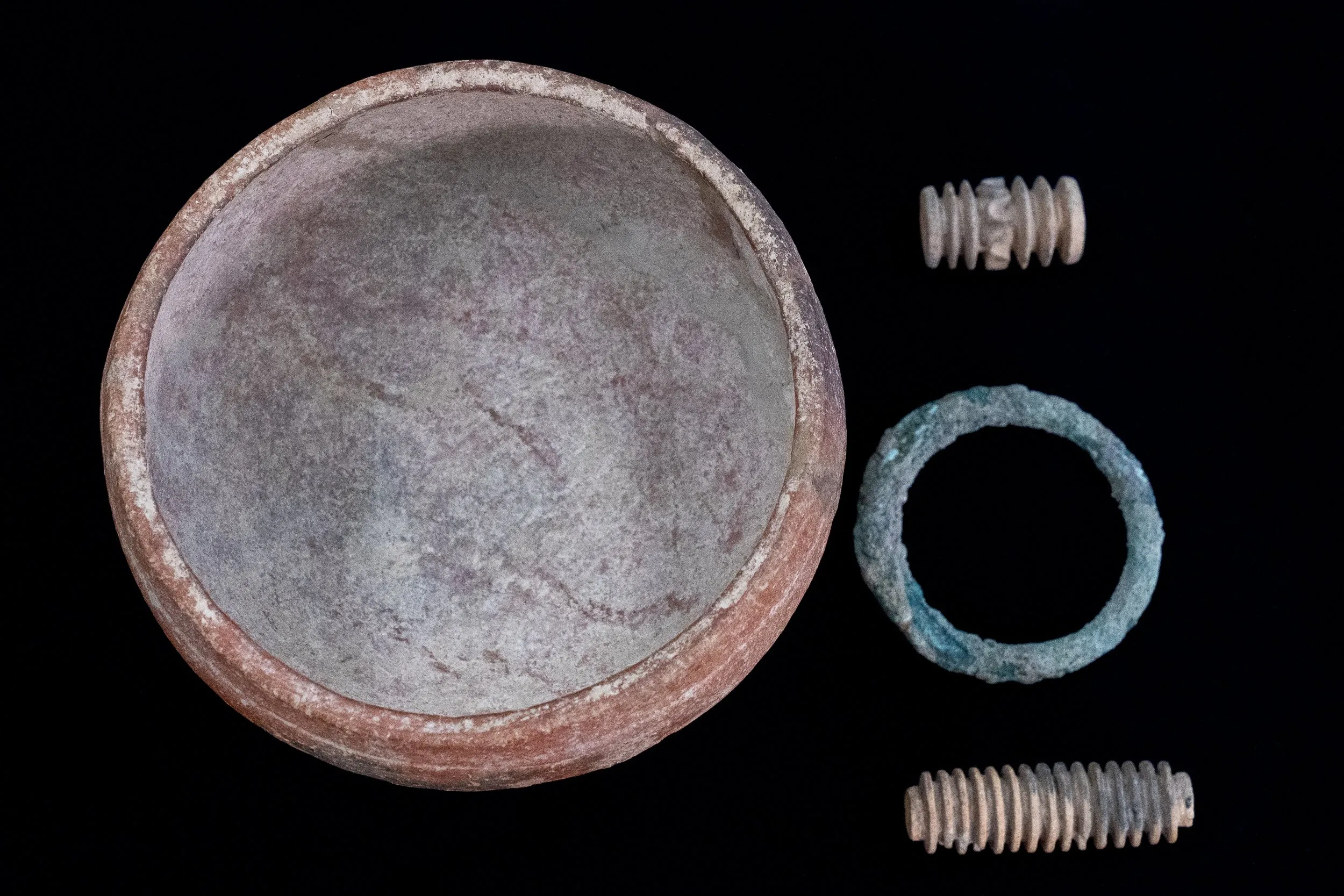
The returned artifacts, which included a notable clay vessel and associated tools, were previously given to an American soldier stationed at the Udorn Air Force Base in Udon Thani, Thailand, in the early 1970s. These objects are distinguished by their characteristic red-on-buff color, emblematic of pottery from the Ban Chiang Archaeological Site — a 3,500-year-old prehistoric human habitation and burial site that has played a central role in understanding human cultural, social, and technological evolution in Southeast Asia.
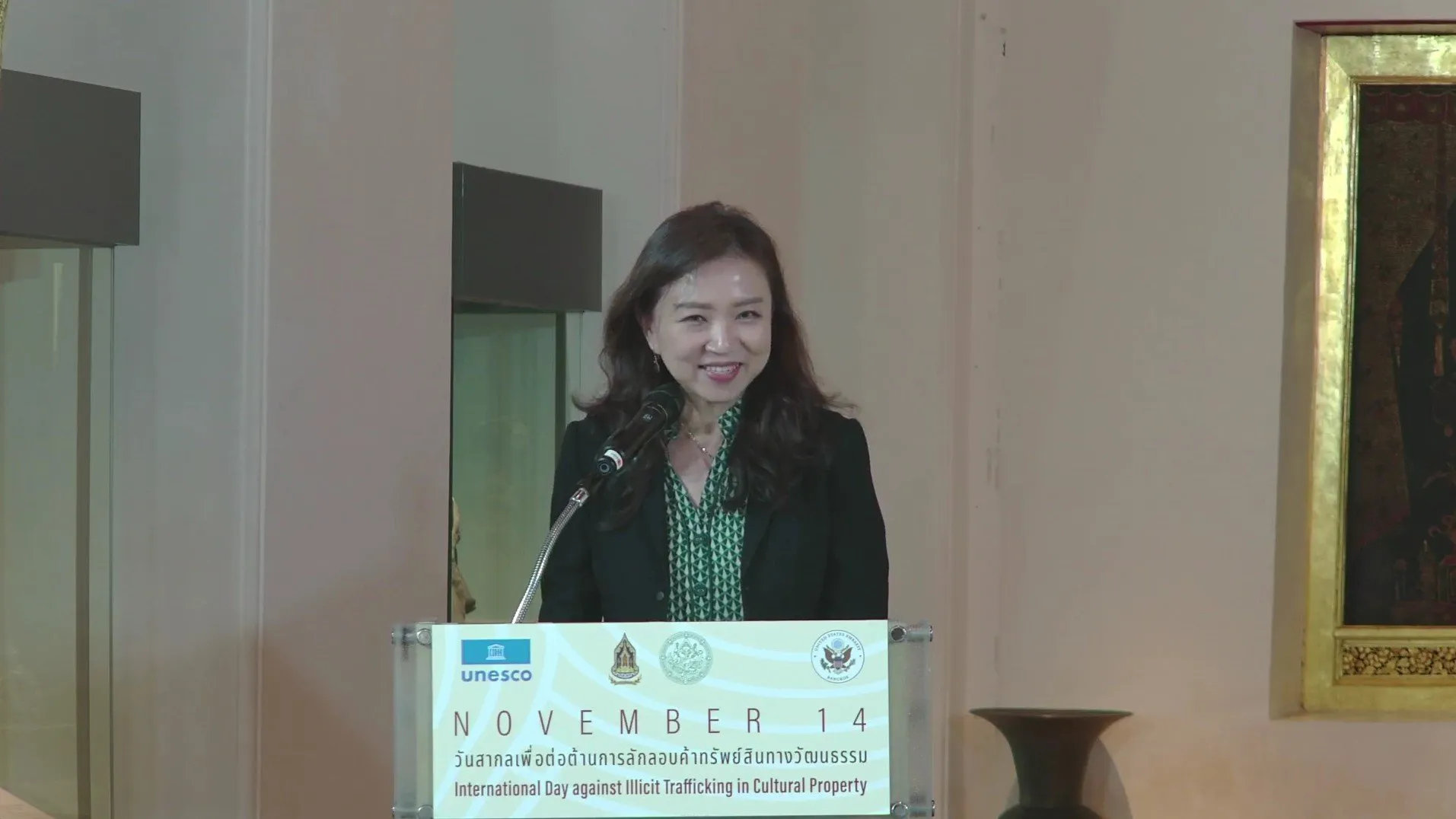
In her congratulatory remarks, Soohyun Kim, Regional Director of the UNESCO Regional Office in Bangkok, said, “Ban Chiang’s story is told through its layers. These layers show us pivotal moments in history, such as the early production of bronze, the beginnings of wet rice agriculture and animal domestication, and the development of sophisticated burial practices. Every artifact, no matter how small, is a part of this story.”

The ceremony featured key remarks from U.S. Ambassador to Thailand, Robert Godec, and U.S. Deputy Assistant Secretary of State for Policy, Rafik Mansour. Godec highlighted the “timeless artistry” of the artifacts, while Mansour spoke to the “powerful impact” that repatriation has on communities worldwide.
They officially handed over the artifacts to Thailand’s Minister of Culture, Sudawan Wangsuphakijkosol. This act of repatriation is part of a broader U.S. commitment to return cultural objects unlawfully obtained, aiming to rectify past grievances and foster goodwill among nations.
“Thailand and the United States of America share a long-standing and robust relationship spanning 191 years. The repatriation of these artifacts to the Fine Arts Department demonstrates a profound respect for the cultural heritage of the Thai people,” said Culture Minister Sudawan.
In recent years, the U.S. Government has taken steps to return cultural objects unlawfully obtained, such as the notable repatriation of the 900-year-old Golden Boy statue from the Metropolitan Museum of Art in May 2024.
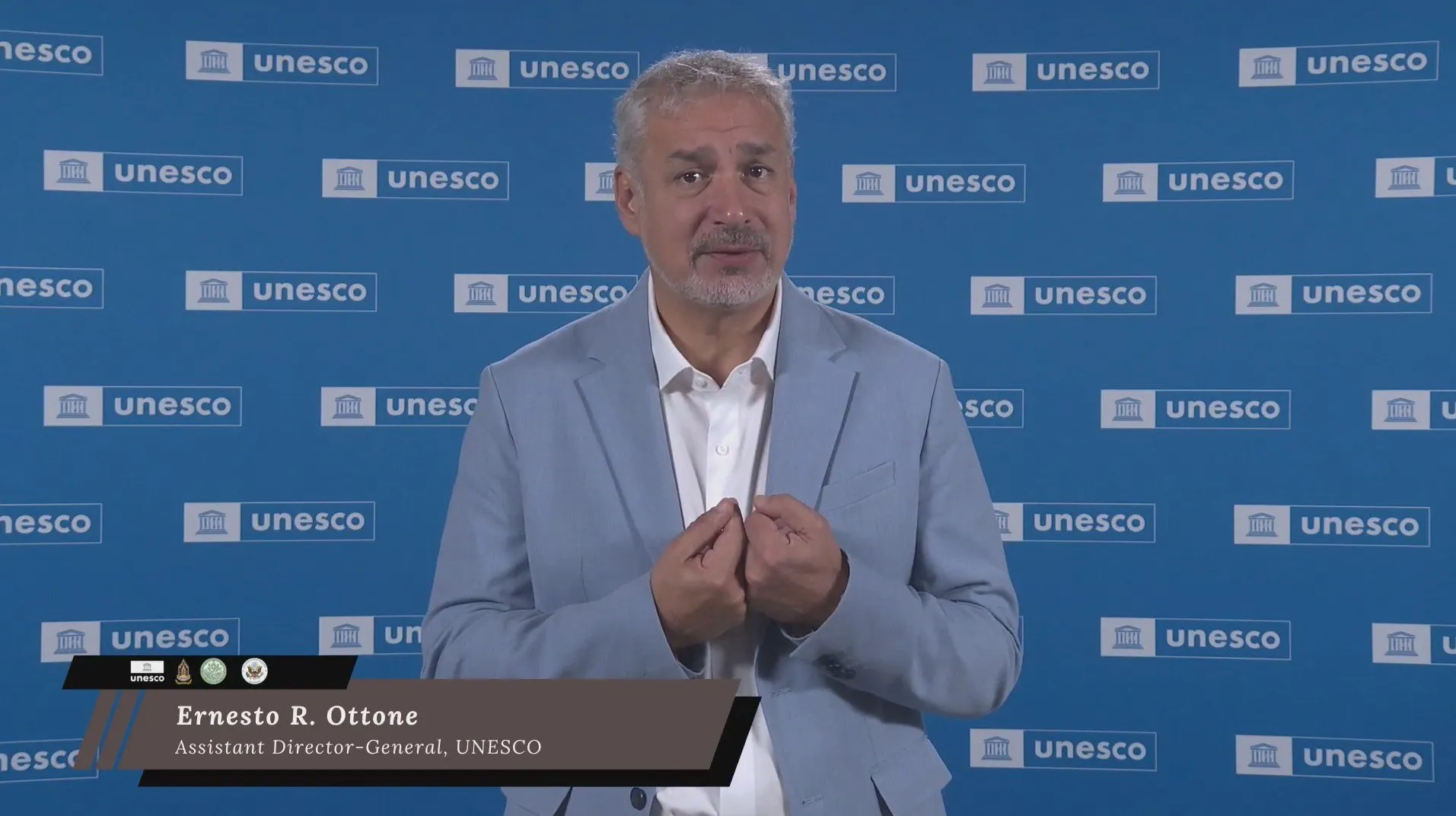
“This event today is a testament to the commitment of the US and Thai Governments in working closely together to establish new forms of agreements for the return of cultural property. I look forward to the continuation of this strong bilateral cooperation in the spirit of the 1970 Convention,” said Ernesto R. Ottone, Assistant Director-General for Culture of UNESCO.
The event coincided with a seminar commemorating the International Day Against Illicit Trafficking in Cultural Property, observed annually on November 14th. This date marks the anniversary of the 1970 “Convention on the Means of Prohibiting and Preventing the Illicit Import, Export, and Transfer of Ownership of Cultural Property,” a pivotal agreement aimed at strengthening international cooperation against the illicit import, export, and transfer of cultural property.
The seminar aimed to catalyze dialogue and cooperation among international law enforcement, museums, and cultural organizations to address persistent challenges and explore new strategies to prevent the trafficking of cultural properties. Experts from various fields, including U.S. Homeland Security Investigations, the Royal Thai Police, the Fine Arts Department of Thailand, and the Metropolitan Museum of Art, discussed the legal frameworks and collaborative measures essential for safeguarding cultural heritage.
“This event today is a testament to the commitment of the US and Thai Governments in working closely together to establish new forms of agreements for the return of cultural property. I look forward to the continuation of this strong bilateral cooperation in the spirit of the 1970 Convention,” said Ernesto R. Ottone, Assistant Director-General for Culture of UNESCO.

 Thailand NOW