

As geopolitical tensions reshape global commerce and companies rethink supply chains, Thailand sees a trade agreement with the European Union as a potential reset for its economic strategy, as well as a way to keep the nation relevant to investors navigating a fragmented world.
Thailand and the EU have already concluded 15 of the agreement’s 24 chapters, or roughly two-thirds, following the ninth round in Brussels in June. The 10th round is scheduled for late September in Thailand, with Prime Minister Anutin Charnvirakul pushing for its conclusion by the end of 2026.
Key Takeaways
- Thailand and the European Union concluded 15 of 24 chapters in their free trade negotiations as of June 2026, with the government aiming to finalize the complete agreement by December 2026.
- Prime Minister Anutin Charnvirakul frames the European Union trade deal as a vital strategic reset to maintain Thailand’s economic relevance and attract foreign investment amid shifting global supply chains.
- The proposed free trade agreement could increase Thailand’s annual gross domestic product by 1.28% to 1.61% and boost exports to the European Union by up to 3.43% annually.
- Thai Trade Representative Werapong Prapha emphasizes establishing trade safeguards, transition periods, and an FTA Fund to support small and medium enterprises facing import competition.
- Electric Vehicle Association of Thailand President Suroj Sangsnit notes that securing preferential market access through the agreement will preserve Thailand’s standing as a regional automotive manufacturing hub.
The missing piece in Thailand’s trade puzzle
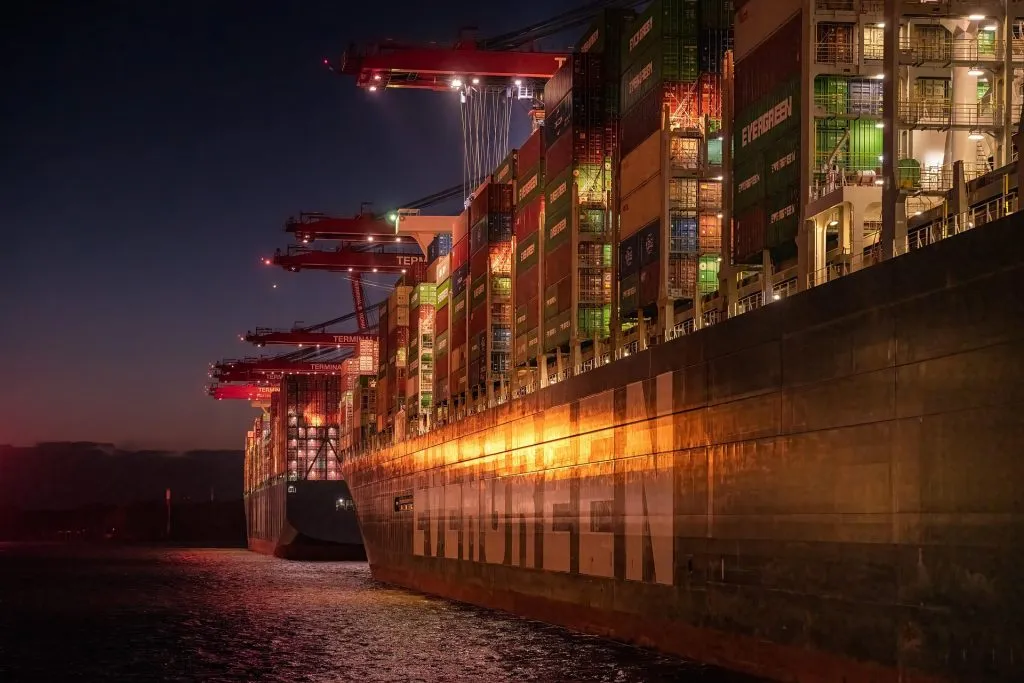
The numbers help explain why Thailand is eager to get this deal done, as the European bloc was the Kingdom’s fourth-largest trading partner in 2025, with bilateral trade worth US$45 billion. Thai exports to the bloc reached US$26.4 billion, led by computers and components, gems and jewelry, air conditioners, and rubber products.
Thailand’s FTAs have a strong track record, with Thai trade to 18 FTA partners reaching US$243.7 billion in the first six months of 2026, up 21.8% year-on-year and representing 57.3% of all Thai trade.
However, while Thailand has preferential access to many of its major Asian markets, it has yet to cinch a free trade deal with the EU, one of the world’s largest advanced economies. Such a deal would be a crowning achievement for diplomats and commercial attachés of Team Thailand.
Europe as a competitiveness test
Thailand undoubtedly remains an important manufacturing base, but its position is under pressure from Chinese automakers, changing supply chains, and the broader transition from internal combustion engine vehicles to EVs. Suroj Sangsnit, President of the Electric Vehicle Association of Thailand, has argued that an EU FTA could help Thailand preserve its role as a regional production and export hub.
There is a competitive clock ticking here as well, given that Thailand already enjoys a lower tariff on vehicle exports to Europe than China, but regional peers Vietnam and Malaysia have already secured EU FTAs.
If Thailand takes too long, preferential market access elsewhere could become an investment advantage, influencing where manufacturers put their next factories.
The toughest negotiations are still ahead
The remaining third of the negotiations is also where things get politically complicated. Issues like market access, intellectual property, and regulatory standards are all still on the table.
An agreement could raise Thailand’s GDP by an estimated 1.28–1.61% annually and increase exports to the EU by up to 3.43% a year, but those gains would not be distributed evenly.
Thai farmers and SMEs could face greater competition from European imports, though the government says it is preparing measures like transition periods, trade safeguards, and an FTA Fund to help vulnerable sectors adapt.
“We must ensure that SMEs in Thailand are able to understand and get the full access of the benefits that this FTA will actually bring for them,” said Thai Trade Representative Werapong Prapha, who added that it is necessary to ensure the substance resonates with the context and business types and the dynamics of Thai companies and supply chains.
Upgrade or fall behind
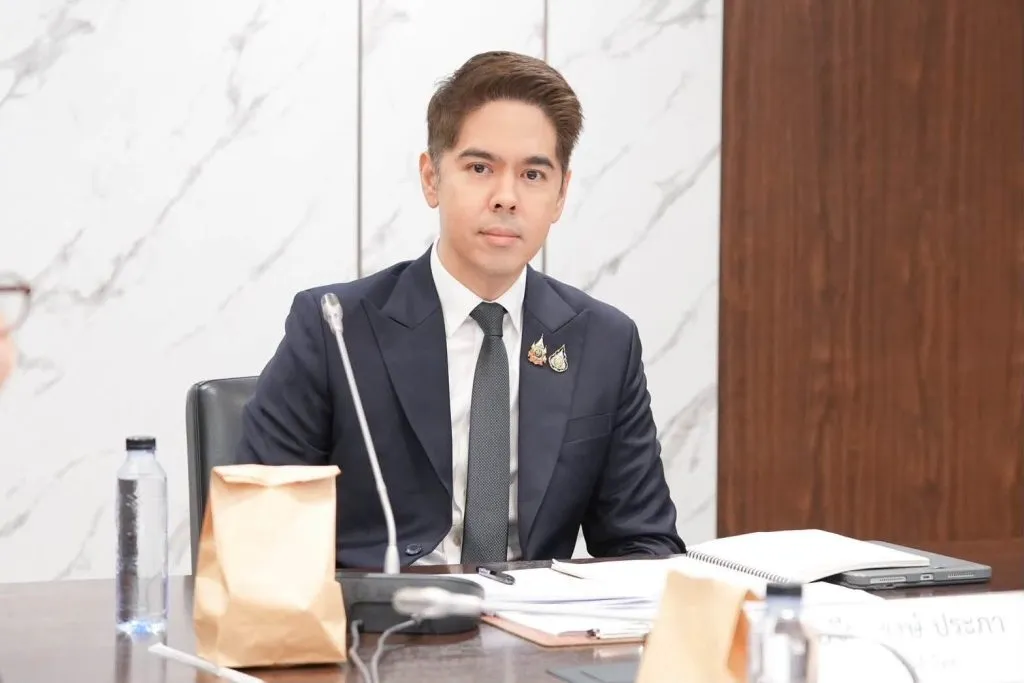
Even as Thailand pitches itself to Europe as an investment base as well as a production and supply-chain hub in Asia, it still has to reform its standards, infrastructure, and workforce while persuading investors that those changes will last. Werapong believes that these are the very structural reforms that the FTA will catalyze.
At a time when global trade is increasingly becoming a “bullet-free battlefield,” Thailand is betting that closer integration with Europe can help it avoid being squeezed between larger powers and lower-cost competitors.

 Teerin Julsawad