

Thailand’s tourism sector is grappling with a reality check. Once synonymous with carefree getaways, Thailand has slid 12 spots since 2021 on the World Economic Forum’s Travel & Tourism Development Index, primarily due to a significant slump in sustainability measures. Specifically, Thailand plummeted 59 places in Sustainability of Travel and Tourism Demand, underscoring a growing challenge: overtourism.
But the nation isn’t taking this lying down. With 75% of global travelers committed to more sustainable travel according to Booking.com’s Sustainable Travel Report 2024, Thailand is positioning itself as a hub for travelers who want meaningful, responsible experiences.
Can tourism be both popular and sustainable?
The Tourism Authority of Thailand (TAT) showcased its strategic pivot at this year’s Thailand Travel Mart Plus (TTM+) 2025, highlighting initiatives that aim to tackle sustainability head-on.

Central to TAT’s vision is promoting wellness and culture-rich tourism experiences, particularly in Chiang Mai and Northern Thailand. New offerings range from traditional Tok Sen (hammer) massages to yoga sessions inspired by Lanna heritage, paired with local wellness cuisine. The MICHELIN Guide Thailand 2025 also champions sustainability, featuring venues like Chiang Mai’s Blackitch, which embrace local sourcing and sustainability under its “Wellness on a Plate” initiative.
To drive deeper cultural connections and reduce environmental impact, Thailand introduced the “Krabi Prototype” — a scalable blueprint for low-carbon, community-based tourism. Initiatives on islands like Ko Ngai exemplify how conservation can coexist with tourism growth, turning previously overrun spots into models of eco-friendly practices.
Turning overtourism into opportunity in Nan Old City
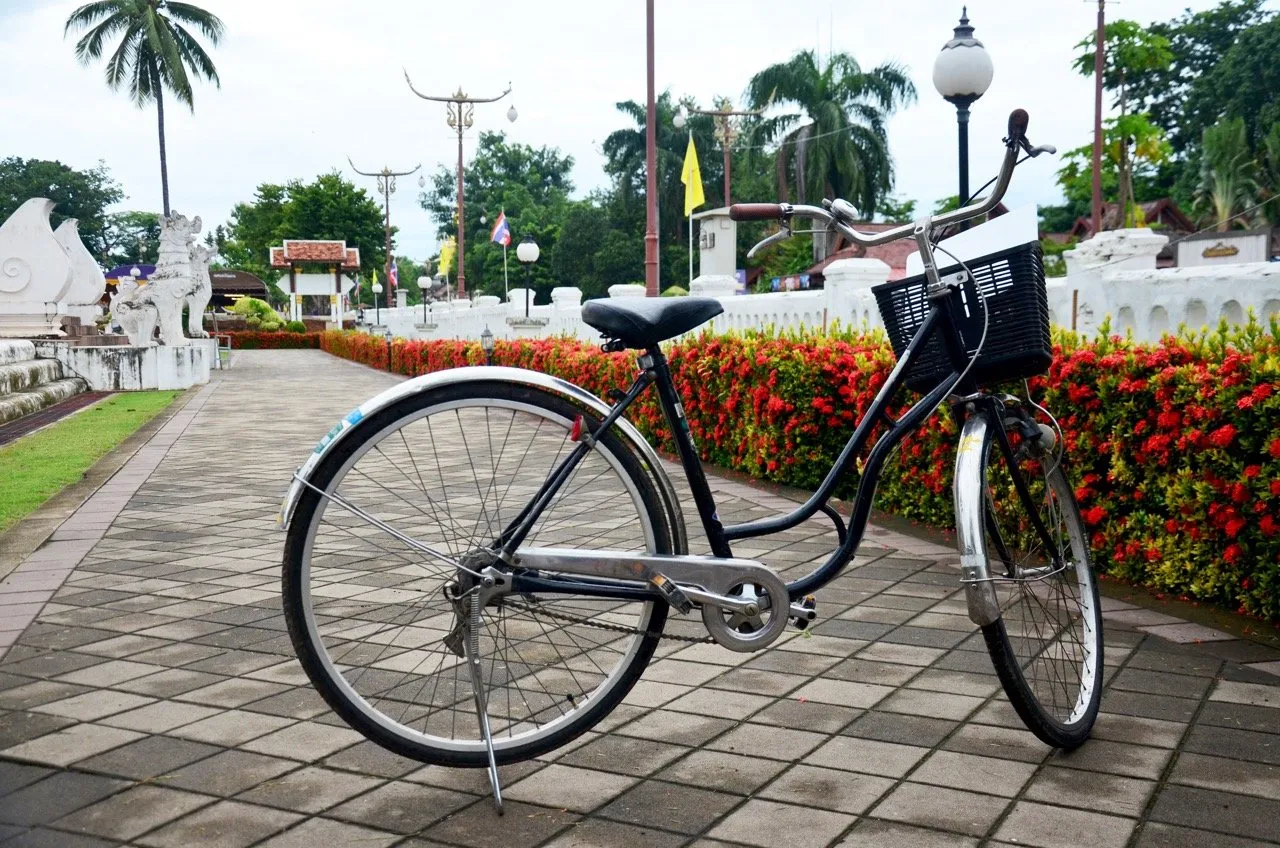
Take Nan Old City, a town full of historical architecture and scenic cycling routes. Perennially overwhelmed during peak tourist seasons, the city found itself drowning in waste. The innovative response? Local authorities launched a nightly outdoor market with a robust waste management system, sorting waste into nine types.
Volunteers (mainly enthusiastic elders) guide visitors at sorting stations, dramatically reducing daily waste from over a ton to just 200 kilograms. Recyclables generate income, funding local initiatives like scholarships for disadvantaged youth.
Nan is managing overtourism and flipping it into community empowerment.
Going green is more than just a hashtag
Yet, despite genuine traveler intent, convenience remains a sticking point. According to the same Booking.com report, 33% believe environmental damage is irreversible, and 28% prioritize vacation time over sustainability. Recognizing this, TAT and hospitality operators are prioritizing ease and visible impact, ensuring travelers see tangible benefits from choosing sustainable options.
Initiatives like Lannatique by AWC — a new lifestyle destination in Chiang Mai blending eco-conscious design, culture, and gastronomy — illustrate this trend. Meanwhile, luxury rail journeys like the Blue Jasmine Rail Journey (launching November 2025) offer upscale, carbon-conscious travel through Thailand’s cultural heartland.

Sustainability as a future-proof strategy
Thailand is clearly recalibrating its approach, integrating sustainability into its DNA rather than treating it as an optional add-on. From zero-waste markets in Nan to low-carbon islands in Krabi, Thailand’s emerging sustainable travel options are economically savvy, culturally enriching, and refreshingly innovative.
In short, Thailand is building a new, more sustainable tourism landscape… one responsible traveler at a time.

 Paul Rujopakarn